
WarBrief Live | November 3, 2026 | Geopolitics
At a glance: Dates: November 10-11, 2026 | Venue: Abu Dhabi | Format: working-level trilateral talks | Sides: Ukraine, Russia and the United States | First US-mediated round since February 2026.
The United States, Ukraine and Russia will hold working-level talks in Abu Dhabi on November 10-11, 2026, with all three sides confirming the dates on November 3. The agenda covers post-war security agreements, de-escalation and humanitarian measures, but the working-level format means incremental steps are likelier than a comprehensive settlement.
Key Takeaways
- All three sides confirmed the Abu Dhabi round on November 3: the United States announced it on November 2, and Kyiv and Moscow confirmed it the following day.
- US Special Envoy Steve Witkoff and Jared Kushner are expected to lead the American delegation; the Kremlin has confirmed Vladimir Medinsky will lead Russia’s delegation, according to Outlook India.
- The talks are working-level, not a leaders’ summit, and are meant to prepare the ground for decisions at a higher level.
- US negotiators meet European and NATO representatives in Brussels first, on November 4, to discuss security guarantees and reconstruction.
- The backdrop is grim: fighting intensified as the Oleshky local truce expired, and Ukraine reported a rising toll from the November 2 Komyshuvakha strike.
What is confirmed about the Abu Dhabi talks?
What is confirmed is narrow, and that narrowness matters. The United States will bring together delegations from Ukraine and Russia in Abu Dhabi on November 10-11, Reuters reported on November 2, citing a senior US official. US Special Envoy Steve Witkoff announced the round in a social media post the same day, saying discussions would focus on “post-war security agreements, de-escalation, humanitarian measures, and ending the war.” That wording has been repeated consistently across subsequent reporting, and it is the safest summary of the agenda available: broad headings, not a draft text.
Confirmation from the other two sides followed on November 3. Ukrainian President Volodymyr Zelenskyy confirmed at a joint press conference in Berlin with German Chancellor Friedrich Merz that Ukraine’s negotiators will attend, describing the round as a step toward a meeting of national leaders. Kremlin spokesperson Dmitry Peskov confirmed the same day that Russia will take part, EconoTimes reported. The fact that all three capitals have now publicly committed to the same dates is itself new: a week earlier, no date had been agreed at all.
What is not confirmed is almost everything else. No joint communique has been published, no draft agreement has been released, and no ceasefire is on the table as an announced outcome. Readers should treat any claim that a deal is close, or that territory has been agreed, as unconfirmed unless it appears in an official statement from one of the three governments.
Who will be at the table in Abu Dhabi?
The American side is expected to be led by Witkoff and Kushner, Reuters reported, citing a senior US official. Both men have been central to the Trump administration’s diplomacy on Ukraine: Witkoff met Zelenskyy in Oslo and President Vladimir Putin in St Petersburg in late October, and it was after the St Petersburg meeting that Putin agreed to a new round of trilateral talks.
On the Russian side, presidential aide Vladimir Medinsky will lead Moscow’s delegation, the Kremlin confirmed on November 3, according to Outlook India. That is a single-source report at the time of writing, so it is presented here as reported rather than confirmed, but Medinsky is a familiar figure in this war’s negotiations, having led Russia’s delegation in earlier rounds.
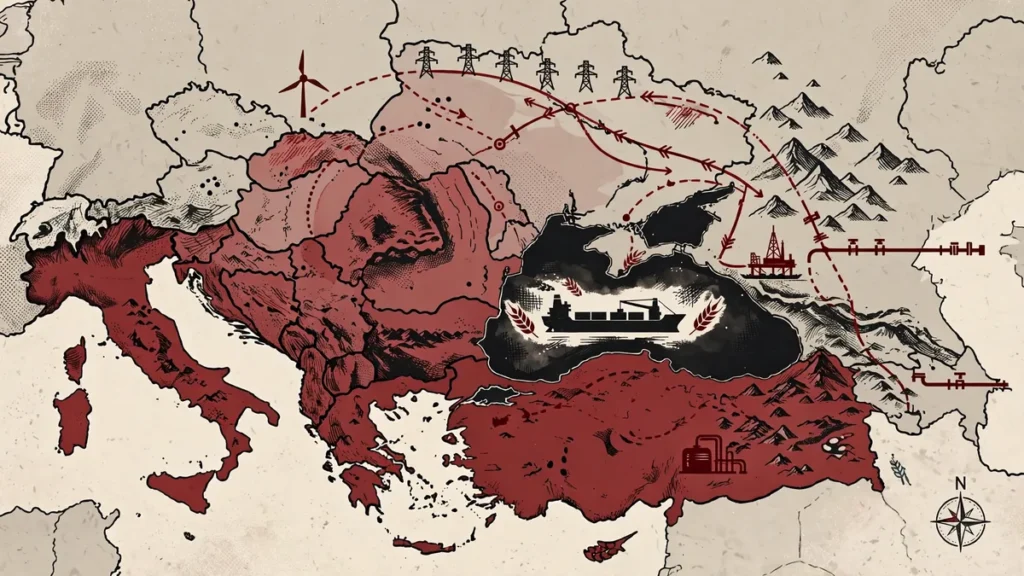
Ukraine has not publicly named its delegation head for Abu Dhabi in the reporting reviewed for this article. Zelenskyy has, however, set out Kyiv’s priorities in public: energy and critical infrastructure, grain and Black Sea security, and humanitarian exchanges. He has also said Ukraine is consulting Germany and other European partners as it develops its positions, and that he hopes the working-level round will open the way to a leaders’ meeting. As he put it in Berlin, “We are counting on the fact that work in this format and our other diplomatic steps will open the way to a trilateral format at the level of leaders.”
Europe will not, on current reporting, sit at the Abu Dhabi table itself. Kremlin aide Yuri Ushakov has said European representatives would not join the trilateral round, according to EconoTimes. Europe’s role instead runs through Brussels, where it is consulted before the talks rather than represented during them. That distinction will matter if the Abu Dhabi discussions produce anything that requires European money, troops or guarantees to implement.

What is on the agenda – and what is not?
The announced agenda has four headings: post-war security agreements, de-escalation, humanitarian measures, and next steps toward ending the war. Beneath those headings, the reporting points to a sequence rather than a single bargain. Kyiv’s stated priorities – an energy ceasefire, a Black Sea arrangement to protect food exports, and humanitarian exchanges including prisoner swaps – are the kind of measures that can be agreed at working level and verified on the ground. They are also, notably, the same categories of measure that featured in the Oleshky local truce: limited, practical and reversible if they fail.
The harder questions – territory and the legal form of security guarantees – are unlikely to be settled by technical negotiators. Russia has long demanded that Ukraine cede the entirety of the Donetsk and Luhansk regions, including territory it does not occupy, while Kyiv has rejected territorial concessions and sought firm guarantees against a future attack. Zelenskyy has said he is willing to consider freezing the fighting along current front lines as a route to a deal, a position he has repeated in recent weeks, while Moscow has rejected a pause in hostilities until a comprehensive agreement on its terms is reached. Neither position has moved in public, and nothing in the Abu Dhabi announcement suggests either side has shifted.
Security guarantees themselves are being handled on a parallel track. In Brussels, American negotiators will meet representatives from France, Germany, Britain, the European Union and NATO to discuss guarantees for Ukraine, Europe’s post-war security architecture and reconstruction funding, Reuters reported. The European Commission has said the Brussels meeting, on November 4, will also include Ukraine and the World Bank, according to the Khaleej Times account of the Commission statement. That sequencing – allies first, then the trilateral round – suggests Washington wants a presentable guarantees offer in hand before its negotiators face Moscow, rather than negotiating guarantees and territory in the same room at the same time.
Why are the talks happening now?
The timing is shaped by three clocks. The first is diplomatic: the last US-mediated talks took place in February 2026, before the United States and Israel launched a war against Iran, Reuters noted. Nine months without a trilateral round is a long silence, and the Abu Dhabi announcement ends it. The second clock is political: the talks were announced the day before the United States midterm elections on November 3, and Zelenskyy had previously said he expected a date only after November 4. The third clock is military: the fighting has intensified sharply, and each side is arriving at the table after a week in which diplomacy’s limits were on full display.
That backdrop deserves plain statement. The six-day Oleshky local truce in Kherson, brokered with the involvement of US First Lady Melania Trump to enable a humanitarian mission, expired on November 1 without reported violations. Within hours, Russia struck a school used as a weekly aid distribution point in Komyshuvakha, Zaporizhzhia, in an attack WarBrief covered in detail on November 3. Ukrainian officials reported the toll rising through November 3, with figures varying by outlet and time of reporting. Overnight into November 3, Ukraine reported a hospital struck in Kharkiv with dozens injured and energy sites hit across multiple regions, while Moscow’s mayor said air defences had downed nearly 500 drones heading toward the capital region. None of this is background colour: it is the reason both sides’ publics will judge Abu Dhabi by whether the shooting actually slows, not by whether a meeting took place.
What changed since WarBrief’s October preview?
WarBrief previewed this round on October 29, when the honest headline was that no date had been agreed. Zelenskyy had said he hoped for a meeting between November 6 and 10, and Ushakov had said Moscow had sent no signal on timing. That preview warned readers not to treat the hoped-for window as a scheduled meeting. Three things have changed since then, and together they are the reason for this new preview.
First, the date is now fixed and confirmed by all three sides: November 10-11, not a hoped-for window. Second, the delegations are taking shape, with Witkoff and Kushner expected for Washington and Medinsky reported for Moscow. Third, the preparatory track is now public and dated: Brussels on November 4, with a defined cast and a defined subject list. What has not changed is the substance gap: territory and guarantees remain as far apart as they were in October, and the working-level format caps what two days of technical talks can plausibly deliver.
By the numbers: Abu Dhabi talks, November 10-11
| Metric | Figure | Source |
|---|---|---|
| Dates | November 10-11, 2026 | Reuters |
| Sides at the table | 3 – Ukraine, Russia, United States | Reuters |
| Gap since last US-mediated round | About 9 months (February to November 2026) | Reuters |
| Brussels preparatory meeting | November 4, 2026 | European Commission via Khaleej Times |
| Russian delegation lead (REPORTED) | Vladimir Medinsky | Kremlin confirmation via Outlook India |
Figures marked REPORTED rest on a single secondary report at the time of writing and should be treated as provisional until confirmed by a second reputable source or an official statement.
What the Abu Dhabi talks mean for US/UK/EU readers
For American readers, the immediate stakes are domestic as well as diplomatic. The talks were announced on the eve of midterm voting, and the administration has tied its Ukraine diplomacy to a broader argument about ending wars and reordering American commitments. A credible step forward in Abu Dhabi would strengthen that argument; a collapse would leave the administration facing the same war with fewer diplomatic options and a new Congress to persuade on any future funding.
For British and European readers, the stakes run through energy, food and security budgets. An energy ceasefire would ease pressure on power grids that have already absorbed months of strikes on Ukrainian infrastructure, while a Black Sea arrangement would protect grain exports on which import-dependent countries rely. More consequentially, any guarantees framework agreed in principle at Abu Dhabi would eventually require European money and, potentially, European personnel to mean anything – which is why the Brussels consultations this week matter as much as the Abu Dhabi meeting itself. Readers should watch for what European governments commit to in Brussels, not only for what is said in Abu Dhabi.
For all three audiences, the honest expectation is modest. Working-level talks that produce a humanitarian arrangement, an energy de-escalation step or a dated framework for further talks would count as progress. A comprehensive peace settlement in two days would not be credible, and any report claiming one should be read with scepticism until the text is public.
What to watch next in Abu Dhabi
Five dates and signals will tell readers whether this round is going anywhere. On November 4, the Brussels consultations will show whether European allies and Washington are aligned on guarantees and reconstruction before the trilateral round. A further signal will be whether any parallel diplomatic contacts are announced in the days before the round, after a week in which the Oleshky humanitarian channel showed that limited, practical arrangements remain possible even while the wider war continues.
On November 10-11, watch the delegation lists first: who actually sits down, and whether Ukraine’s delegation head is named in advance. Then watch the language of any statement that follows. A statement naming specific humanitarian or energy measures, with dates and verification steps, is a different outcome from a statement promising further talks. Finally, watch the battlefield: Zelenskyy has warned of a new large-scale Russian attack on energy and logistics, and whether fighting eases or intensifies around the talks will shape what either side can concede. WarBrief will also be watching the November 17 Ramstein meeting of the Ukraine Defense Contact Group, previewed here, where military support decisions will test whether diplomacy and deterrence are moving together or apart.
For context on how the week reached this point, see WarBrief’s coverage of the Komyshuvakha aid-centre strike, the expiry of the Oleshky ceasefire and the Oleshky truce itself, and the conflict zones hub for ongoing coverage.
Frequently asked questions
When are the Abu Dhabi Ukraine talks?
The talks are scheduled for November 10-11, 2026, in Abu Dhabi, with delegations from Ukraine, Russia and the United States meeting at working level under US mediation.
Who is leading the delegations?
Steve Witkoff and Jared Kushner are expected to lead the US delegation, according to Reuters. Vladimir Medinsky is reported to lead Russia’s delegation, based on a Kremlin confirmation carried by Outlook India. Ukraine has not publicly named its delegation head in reporting reviewed for this article.
What will the Abu Dhabi talks discuss?
The announced agenda is post-war security agreements, de-escalation, humanitarian measures and next steps toward ending the war. Kyiv’s stated priorities include an energy ceasefire, Black Sea and grain security, and humanitarian exchanges.
Will the Abu Dhabi talks end the war?
Almost certainly not in two days. The talks are working-level, territory and guarantees remain deeply disputed, and the likeliest meaningful outcomes are limited measures such as humanitarian arrangements, energy de-escalation steps, or a framework and date for further talks.
Are European countries taking part in Abu Dhabi?
Not at the trilateral table, on current reporting. European representatives meet US negotiators separately in Brussels on November 4 to discuss security guarantees, Europe’s post-war security architecture and reconstruction.
Sources
- Reuters: US to hold trilateral talks with Ukraine, Russia in Abu Dhabi next week, US official says
- CNBC TV18: Ukraine-Russia peace talks return: US to mediate November 10-11 negotiations in Abu Dhabi
- AnewZ: First Ukraine-Russia peace talks since February announced
- Khaleej Times: Ukraine’s Zelensky says dozens dead, missing in Russian strike days before US talks
- EconoTimes: Zelenskyy says Nov. 10-11 Abu Dhabi talks could lead to leaders’ meeting
- Outlook India: A new US peace push: Russia and Ukraine to resume talks in Abu Dhabi
- Al Jazeera: At least 73 injured as Russia bombs Ukrainian hospital and power plants


Discussion 0
Share analysis, corrections, or context. Be civil — comments are moderated.