
WarBrief Live | October 30, 2026 | Event Preview
At a glance: 37th meeting | November 17, 2026 | NATO HQ, Brussels | 50+ countries | Ukraine’s ask: 300 interceptors from stocks now
On November 17, 2026, the United Kingdom and Germany will convene the 37th meeting of the Ukraine Defense Contact Group at NATO headquarters in Brussels, NATO’s press service announced on October 29. The meeting, held in the format known as Ramstein, brings together more than 50 countries that coordinate military assistance to Ukraine — and this session’s central question is whether allies will hand over air defense interceptors from their own stocks in time for winter, rather than only promising weapons that arrive in later years.
Key Takeaways
- NATO has confirmed the 37th Ukraine Defense Contact Group meeting for Tuesday, November 17, 2026, at NATO HQ in Brussels, co-chaired by the United Kingdom and Germany.
- Ukraine’s most urgent request is interceptors for Patriot and other air defense systems, drawn from partners’ existing stocks — Defense Minister Yevhen Khmara asked allies in September for 300 interceptors now, offering replacement missiles from Ukraine’s contracts in return.
- The September 8 meeting produced nine national packages, including German PAC-2 interceptors from Bundeswehr stocks, a £100 million British purchase of US weapons through PURL, and 95,000 British drones by the end of the year.
- What is confirmed and what is only reported matters here: the date, venue and co-chairs are confirmed by NATO; the scale of any new interceptor transfer is not yet decided and remains the key unknown going into November 17.
- For US, UK and EU readers, the meeting is a leading indicator of winter energy security in Europe, of defense spending decisions, and of whether the transatlantic arms pipeline keeps flowing despite political pressure in Washington.
What is the Ramstein meeting on November 17, 2026?
The Ukraine Defense Contact Group, known as the Ramstein format, was launched in April 2022 at the initiative of the United States to coordinate military assistance to Ukraine, and it now comprises more than 50 countries, according to NATO’s announcement as reported by Ukrainska Pravda. Since the change of administration in the United States in January 2025, the group’s meetings have been led by the United Kingdom and Germany, which will again co-chair the November 17 session. NATO’s own wording, quoted across the reporting, is precise: “On Tuesday 17 November 2026, the United Kingdom and Germany will convene the Ukraine Defense Contact Group at NATO HQ.”
The format’s name comes from Ramstein Air Base in Germany, where the group first met, but the November session will sit in Brussels — a practical choice that puts the meeting inside NATO headquarters and close to the European Union institutions whose money now underwrites much of Ukraine’s defense. That geography is itself a statement about who leads the coalition now: Washington launched the group, but London and Berlin chair it, and European capitals fund most of the weapons flowing through it.

What happened at the last Ramstein meeting on September 8?
The previous, 36th meeting took place on September 8, 2026, and nine partner countries announced new military assistance packages afterwards, according to Ukraine’s Defense Ministry as reported by Ukrane News. The packages concentrated on the same three needs that will dominate November 17: air defense, drones, and ammunition. Germany announced the urgent transfer of PAC-2 interceptor missiles for Patriot systems from Bundeswehr stocks, alongside new batches of Patriot interceptors, F-16 fighter jets and funding for drone purchases. German Defense Minister Boris Pistorius also announced the City Dome project, intended to build a shield protecting Ukrainian cities from Russian missile and drone attacks, as reported by European Pravda.
The United Kingdom pledged £100 million to purchase US weapons through the Prioritised Ukraine Requirements List (PURL) mechanism, plus 95,000 drones by the end of the year and tens of thousands of extended-range artillery shells. Norway confirmed $200 million from previously announced funds for Patriot missiles. The Netherlands pledged $300 million to the Drone Line initiative and 300 missiles designed to intercept unmanned aerial vehicles. Poland prepared a €50 million package including air defense systems, and Spain offered air defense missiles and artillery ammunition. It was also the first Ramstein meeting for Ukraine’s new defense minister, Yevhen Khmara, and for Commander-in-Chief Mykhailo Drapatyi, who presented Ukraine’s war plan to partners for the first time, according to The New Voice of Ukraine.
Why does Ukraine need interceptors from stocks now?
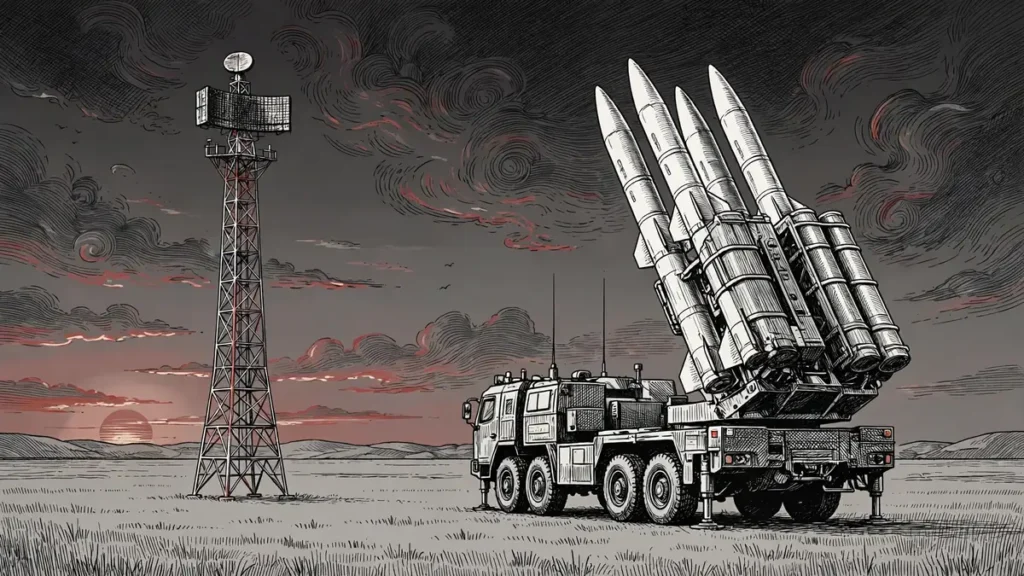
The short answer is timing. Ukraine has Patriot missiles under contract — roughly 1,000, according to Defense Minister Khmara — but most will not ship for years, Defense News reported. At his first Contact Group meeting on September 8, Khmara asked partners for 300 interceptors from their stockpiles now, offering newer missiles from those contracts as replacements. RBC-Ukraine separately reported that Khmara urged partners to consider transferring 10% of their existing stocks of interceptors, including missiles for Patriot and IRIS-T air defense systems. The 10% figure is a proposal Ukraine has put to partners, not a commitment any ally has yet accepted — a distinction that matters for judging what November 17 can actually deliver.
The pressure behind the request is visible in the figures President Volodymyr Zelenskyy released: Patriot interceptor deliveries fell from 675 in 2023 to 364 in 2025, with 264 projected for 2026, according to Euromaidan Press. Zelenskyy has also said Europe holds enough PAC-2 and PAC-3 interceptors for Ukraine’s minimum winter needs, but that he did not yet know how many Europe would hand over — and that European transfers require US approval, since the United States controls re-export of its missiles. He added that the United States had sent most of its own interceptors to the Middle East. Ukraine’s ambassador to NATO, Alyona Getmanchuk, has said partners’ political unwillingness to provide interceptor missiles remains one of the main obstacles to protecting Ukrainian airspace ahead of winter, Ukrinform reported.
By the numbers: what is confirmed and what is only reported
| Metric | Figure | Source |
|---|---|---|
| Meeting number and date | 37th meeting, November 17, 2026 | NATO press service (confirmed) |
| Countries in the Contact Group | More than 50 | NATO press service (confirmed) |
| Interceptors requested from stocks now | 300 | Defense Minister Khmara’s September 8 request (confirmed as a request) |
| Share of stocks Ukraine proposed partners consider | 10% | RBC-Ukraine (reported proposal, not agreed) |
| British drones pledged by end of 2026 | 95,000 | UK package, September 8 meeting (confirmed) |
| British PURL purchase of US weapons | £100 million | UK package, September 8 meeting (confirmed) |
| Patriot interceptor deliveries, 2023 / 2025 / projected 2026 | 675 / 364 / 264 | Figures released by President Zelenskyy, via Euromaidan Press (reported) |
| EU financial support package for Ukraine | €90 billion | Ukraine Defense Ministry readout (confirmed as a decision) |
Caveat: figures marked confirmed rest on NATO, government or ministry statements carried by at least two outlets; figures marked reported rest on a single outlet’s account of a proposal or a leader’s figures and should be read as claims awaiting a November 17 decision, not as done deals.
How does PURL fit into the November 17 talks?
PURL — the Prioritised Ukraine Requirements List — is the mechanism through which European allies and partners pay for US-made weapons for Ukraine: Kyiv sets out its priority needs, NATO coordinates, and allies fund packages of roughly $500 million each, with the United States supplying the equipment. The Netherlands financed the first package, and the United Kingdom’s £100 million September pledge went through the same channel. Luxembourg became the latest country to join the scheme on October 29, according to The Gaze, a sign that participation is still widening even as the politics around it sharpen.
Those politics are the meeting’s other fault line. Reporting in October, citing European officials, said the Trump administration had threatened to suspend PURL deliveries and intelligence sharing unless Kyiv halted long-range strikes on Russian oil refineries — warnings that, as of this writing, have not resulted in a confirmed suspension. The backdrop changed again on October 30, when Ukraine struck the Novokuibyshevsk refinery, ending a roughly two-week pause in such attacks, as WarBrief reported. Whether the November 17 meeting treats the refinery-strike question as settled, live, or deliberately avoided will signal how much freedom of action Kyiv retains inside a coalition Washington still arms but no longer chairs.
What the Ramstein meeting means for US, UK and EU readers
For readers in the United States, the meeting tests whether the “allies pay, America supplies” model survives contact with the administration’s own pressure tactics: PURL keeps US factories and US stockpiles at the center of Ukraine’s defense, but only if Washington keeps approving the transfers and deliveries. For readers in the United Kingdom, November 17 is a check on the government’s own pledges — the 95,000 drones promised by year-end and the £100 million PURL purchase — and on London’s co-chair role, which is now the most visible British leadership position in the Ukraine coalition. For readers in the European Union, the stakes are the most immediate: Ukraine’s air defense is also Europe’s energy defense, and the winter of 2026-27 will test grids already strained by strikes. The UN reported on October 30 that 190,000 consumers in Ukraine’s Dnipro region were still without electricity on Friday morning after attacks on energy infrastructure — a preview of what interceptor shortages mean in practice. A €90 billion EU financial support package, which Ukrainian officials in Brussels have urged be used flexibly and rapidly for air defense and drones, is the funding backdrop to the November decisions.

What to watch next before and at the November 17 meeting
First, watch for pre-meeting national announcements: the September pattern was that the headline packages were unveiled at the table, but the groundwork — including the Netherlands’ €500 million first PURL package and Luxembourg’s entry — was laid in the weeks before. Second, watch whether any ally converts Ukraine’s 10%-of-stocks proposal into a named number of interceptors; a vague recommitment to “strengthen air defense” would mean the proposal stalled. Third, watch the language on US approvals: any statement that transfers proceed “without delay” would be the meeting’s clearest success signal, while silence on approvals would suggest the October pressure is still biting. Fourth, watch the parallel diplomatic track — the Abu Dhabi talks on Ukraine’s future, previewed separately by WarBrief — because a Ramstein session that hardens Ukraine’s battlefield position also hardens its negotiating position. Finally, watch what happens after the meeting, not just in it: pledged interceptors only matter if they arrive before the coldest weeks, and past pledges have sometimes taken months to turn into deliveries.
Background and timeline
- April 2022: The Ukraine Defense Contact Group is launched at the initiative of the United States to coordinate military assistance to Ukraine.
- January 2025: Following the change of administration in the United States, the United Kingdom and Germany take over chairing the Contact Group’s meetings.
- September 8, 2026: The 36th meeting: nine countries announce packages; Germany pledges PAC-2 interceptors from Bundeswehr stocks and launches the City Dome project; the United Kingdom pledges £100 million via PURL and 95,000 drones.
- October 2026: Reports emerge that Washington threatened to suspend PURL deliveries and intelligence sharing over Ukrainian strikes on Russian refineries; no confirmed suspension follows.
- October 29, 2026: NATO’s press service announces the 37th meeting for November 17, 2026, at NATO HQ in Brussels, convened by the United Kingdom and Germany.
- October 30, 2026: Ukraine strikes the Novokuibyshevsk refinery, ending a roughly two-week pause in refinery attacks, and the UN reports 190,000 consumers in the Dnipro region without electricity after energy infrastructure attacks.
- November 17, 2026: The 37th meeting takes place in Brussels — the date this preview is built around.
Different perspectives
Kyiv’s perspective is one of urgency against a clock: interceptors contracted for future years do not stop ballistic missiles this winter, so the stockpile-swap proposal — allies’ missiles now, Ukraine’s contracted missiles later — is framed as cost-free for donors. The allies’ perspective is more cautious: stockpiles are finite, replenishment is slow, and every interceptor sent to Ukraine is one a donor government cannot use for its own defense, which is why even sympathetic capitals have answered with packages rather than open-ended commitments. Washington’s perspective, as reflected in the October reporting, is leverage: the United States remains the indispensable supplier and approver, and it has used that position to press Kyiv on targets it considers escalatory or economically costly. Moscow’s perspective, visible in its continued strikes on Ukrainian energy infrastructure, is that air defense is the decisive constraint — degrading it degrades Ukraine’s winter resilience more cheaply than any ground offensive. None of these perspectives is new, but November 17 forces them into the same room with a deadline attached.
Frequently asked questions
When is the next Ramstein meeting?
The 37th meeting of the Ukraine Defense Contact Group takes place on Tuesday, November 17, 2026, at NATO headquarters in Brussels, according to NATO’s press service announcement on October 29, 2026.
What is the Ramstein format?
It is the Ukraine Defense Contact Group, launched in April 2022 at the initiative of the United States to coordinate military assistance to Ukraine. It brings together more than 50 countries and has been chaired by the United Kingdom and Germany since January 2025.
What does Ukraine want most from the November 17 meeting?
Air defense interceptors from partners’ existing stocks, for delivery before winter. Defense Minister Yevhen Khmara asked in September for 300 interceptors now, offering replacement missiles from Ukraine’s contracts, and has urged partners to consider 10% of their interceptor stocks.
What is PURL?
The Prioritised Ukraine Requirements List is a US-NATO mechanism under which allies fund packages of US-made weapons — roughly $500 million each — matched to Ukraine’s priority needs. The United Kingdom’s £100 million September pledge and the Netherlands’ first package both went through PURL.
Will the November 17 meeting decide anything binding?
Contact Group meetings produce national pledges rather than binding collective decisions, so the test is whether allies announce specific interceptor numbers and delivery dates — not whether they restate support for Ukraine in general terms.
Sources
- Ukrainska Pravda: NATO announces upcoming Ramstein meeting on Ukraine’s defence
- Ukrinform: Next UDCG meeting to take place in Brussels on Nov 17
- RBC-Ukraine: Next Ramstein meeting set for November 17 amid Ukraine’s push for more Patriot missiles
- The New Voice of Ukraine: Next Ramstein meeting set for Nov. 17 at NATO headquarters
- European Pravda: NATO announces new Ramstein meeting on Ukraine’s defence at NATO headquarters in Brussels
- Interfax-Ukraine: Next Ramstein-format meeting scheduled for November 17
- Defense News: Ukraine is building a patchwork antiballistic defense, one stopgap at a time
- Ukrane News: Nine countries announce new military assistance packages for Ukraine following 36th Ramstein
- Euromaidan Press: Ukraine wants partners’ Patriot interceptors now
- UN News: Ukraine: Oleshky ceasefire offers ‘hope’ for civilians as attacks on aid vehicles continue
Read next: Abu Dhabi Talks November 2026: What the Meeting Could Decide · Ukraine Strikes Novokuibyshevsk Refinery, Ending Two-Week Pause · Airspace Closures Explained: How Airlines Reroute Around War Zones · Conflict Zones hub


Discussion 0
Share analysis, corrections, or context. Be civil — comments are moderated.