
WarBrief Live | October 20, 2026 | Conflict Briefing
Saudi Arabia has postponed its flagship Future Investment Initiative (FII) summit to 2027 after a wave of Houthi missile and drone attacks battered the kingdom’s airports, energy sites and military bases. The annual gathering, informally called “Davos in the Desert,” was due to open in Riyadh on October 26 — and its cancellation is the clearest sign yet that the Yemen war’s spillover is now hitting the heart of Crown Prince Mohammed bin Salman’s economic project.
Key Takeaways
- FII Institute CEO Dr Maha Bint Mishari Al Saud announced on October 19, 2026 that the 10th edition of the summit (FII10, “The Power of Legacy”) will take place in 2027 instead of October 26-29, 2026; new dates will be announced “very soon” and current registrations remain valid.
- The decision follows Houthi strikes on Riyadh’s King Khalid International Airport (October 8 and 10), claims of attacks on Aramco’s Yanbu site, the Shaybah oilfield and Abha airport, and a deadly October 19 missile strike on the al-Alam military camp in Shabwa, Yemen — casualty figures remain disputed across outlets.
- Bankers from JPMorgan Chase and Citigroup have already cancelled meetings, according to the Wall Street Journal, and the US embassy issued a fresh security alert on October 18 requiring special authorization for Americans to use Riyadh airport.
- Brent crude held near a five-month high above $110 a barrel on October 20 as traders priced in the risk premium — with Egypt’s parliament now delaying a vote on sending troops to support Saudi Arabia to October 26.
Why did Saudi Arabia postpone the FII summit?
In a statement posted to the FII Institute’s official website late on October 19, chief executive Dr Maha Bint Mishari Al Saud said the decision “comes from a deep commitment to our partners, members, speakers and delegates.” She wrote: “Because this is our landmark tenth edition, we want to ensure it delivers the full scale, extraordinary quality, and unforgettable impact that our community has come to expect and truly deserves.” All current registrations and partnerships remain valid, she added, and new dates for 2027 will be announced “very soon” — Al Jazeera’s reporting of the statement confirms the wording.
The announcement landed the same day the Wall Street Journal reported — via the New York Post — that organisers had abandoned plans for an in-person event. Three sources had earlier told AFP the conference would be postponed, with one asking who would be willing to “risk flying to Riyadh these days” (CNA). Bankers from JPMorgan Chase and Citigroup had already cancelled meetings before the announcement, with the teams of CEOs Jamie Dimon and Jane Fraser debating whether to make the trip at all.
The 10th edition was meant to be a showcase for Crown Prince Mohammed bin Salman’s Vision 2030 programme. Expected speakers listed on the FII website included BlackRock chairman and CEO Laurence Fink, Goldman Sachs chairman and CEO David Solomon, and Alphabet and Google president Ruth Porat. Launched in 2017, the event — our earlier preview of FII Riyadh 2026 laid out the planned agenda — has become the kingdom’s main stage for pitching foreign investors on its pivot away from oil.
How serious is the Houthi threat to Saudi Arabia?
The attacks that forced the postponement are part of a rapid escalation. Riyadh’s King Khalid International Airport was struck on October 8 and again on October 10; the kingdom’s civil aviation authority said the October 10 attack left several people injured and suspended operations at the airport. Death tolls from the earlier strike are disputed across outlets — Saudi authorities and AFP cite 13 killed, while Al Jazeera reports at least 18 dead and hundreds injured across the recent wave of strikes on airports, energy and military infrastructure. Our explainer on the Riyadh airport closure tracks the full timeline.
On October 19, Houthi ballistic missiles hit the al-Alam military camp in Yemen’s Shabwa province, where forces aligned with the internationally recognised government train. Yemen’s military spokesman confirmed three missiles struck the training centre during morning drills; the toll is disputed across outlets, with figures ranging from around 20 killed to 53 soldiers killed (India TV News) and 58 killed with more than 200 injured (Reuters). The same day, the Houthis claimed attacks on an Aramco site in Yanbu, the Shaybah oilfield, Riyadh’s airport and Abha airport — claims Saudi authorities did not confirm and Reuters said it could not independently verify. A separate projectile strike on the southern city of Najran injured six people, the Journal reported.
The security fallout is spreading beyond the strikes themselves. On October 18, the US embassy in Riyadh issued a security alert warning Americans of flight cancellations, airspace closures and travel disruption, noting that US government employees now need special authorization to use King Khalid International Airport. AFP reported that Riyadh government agencies told staff to work from home from Monday to Thursday this week, the 99-storey Kingdom Centre — which houses the IMF’s regional office — asked workers to stay away, and companies in the King Abdullah Financial District, which hosts offices of major US firms, followed suit (Al Jazeera).
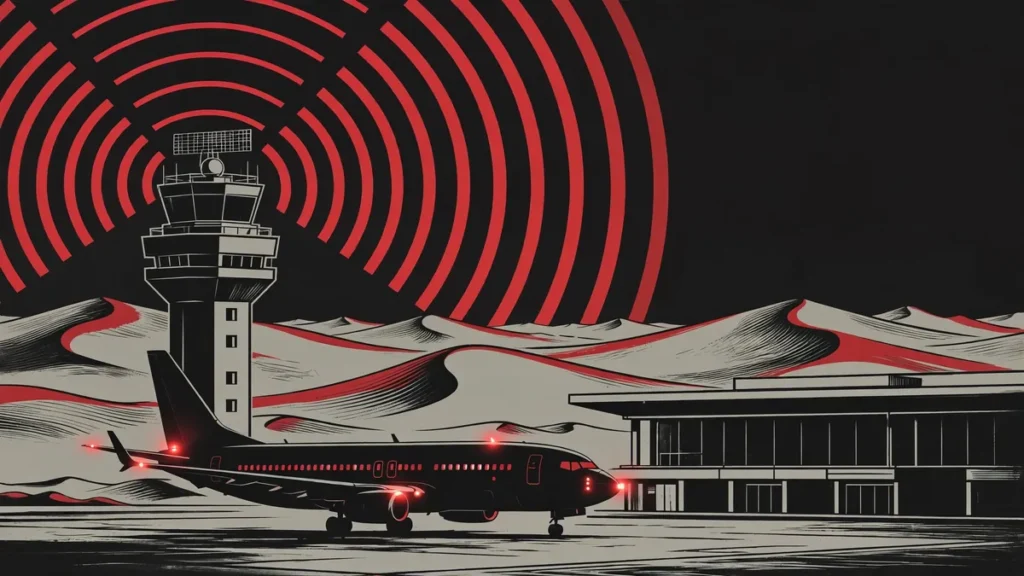
FII postponement by the numbers: what is confirmed and what is reported
| Metric | Figure | Source |
|---|---|---|
| CONFIRMED (2+ sources or official) | ||
| FII10 new edition | Postponed to 2027; new dates TBA; registrations remain valid | FII Institute official statement (Al Jazeera, The National, CNA) |
| Original dates | October 26-29, 2026, Riyadh | FII Institute |
| Brent crude (Oct 20) | $110.10/bbl, near five-month high; intraday high $110.70 | Reuters |
| US WTI (Oct 20) | $103.91/bbl (November contract) | Reuters |
| US embassy alert | October 18 — special authorization required for KKIA | US embassy Riyadh (official) |
| Egypt parliament vote | Delayed to October 26 on Saudi military support | Reuters, Al Jazeera |
| REPORTED (single or disputed sources — treat as unconfirmed) | ||
| Riyadh airport attack deaths | 13 (Saudi authorities/AFP) vs 18+ (Al Jazeera) — disputed | AFP, Al Jazeera |
| Al-Alam camp toll (Oct 19) | 20 / 53 / 58 killed — disputed across outlets | Yemen military spokesman, India TV News, Reuters |
| Houthi claims (Oct 19-20) | Yanbu Aramco site, Shaybah, KKIA, Abha — unconfirmed by Riyadh | Houthi statements via Reuters |
| Najran strike injuries | 6 injured | Wall Street Journal via NY Post |
Caveat: casualty figures in fast-moving conflicts are routinely revised and disputed between outlets; figures labelled “reported” are unconfirmed and should not be treated as final.
What the postponement costs Saudi Arabia’s Vision 2030
The FII was the shop window for the kingdom’s economic transformation. Postponing it does not cancel Vision 2030, but it concedes something Riyadh has spent years denying: that investors can no longer be insulated from the war. When JPMorgan and Citigroup bankers are cancelling meetings before a summit even opens, the damage is not to one conference — it is to the premise that Saudi Arabia is a safe venue for capital. For background on the wider campaign, see our Yemen-Saudi escalation profile and our coverage of the al-Alam camp strike.
The pressure is financial as well as reputational. Brent crude’s push above $110 a barrel — its highest since May 20, Reuters reported — is driven by a geopolitical risk premium that ING analysts described as “well-supported,” with shiptracker Kpler noting at least 18 vessels attacked over two weeks. High oil prices cushion Riyadh’s budget, but they do not build the non-oil economy the FII was meant to sell. The kingdom is fighting on two fronts: defending its infrastructure while trying to convince investors the future is still on schedule.
Egypt’s hesitation adds a regional dimension. Parliament delayed a vote on authorizing Egyptian forces to support Saudi Arabia until October 26, with the opposition Egyptian Social Democratic Party instructing lawmakers to abstain over unclear objectives, duration, cost and risks to troops (Reuters). President Abdel Fattah el-Sisi has said Egypt will take “any measure” to protect Gulf allies — “I’m not talking about confronting or attacking anyone… We’re talking only about defence” — but the delay exposes how expensive a deeper Egyptian role looks in Cairo, where a $5.3 billion Saudi deposit at the central bank comes due this month. The calculus of the whole anti-Houthi coalition is now in public view.
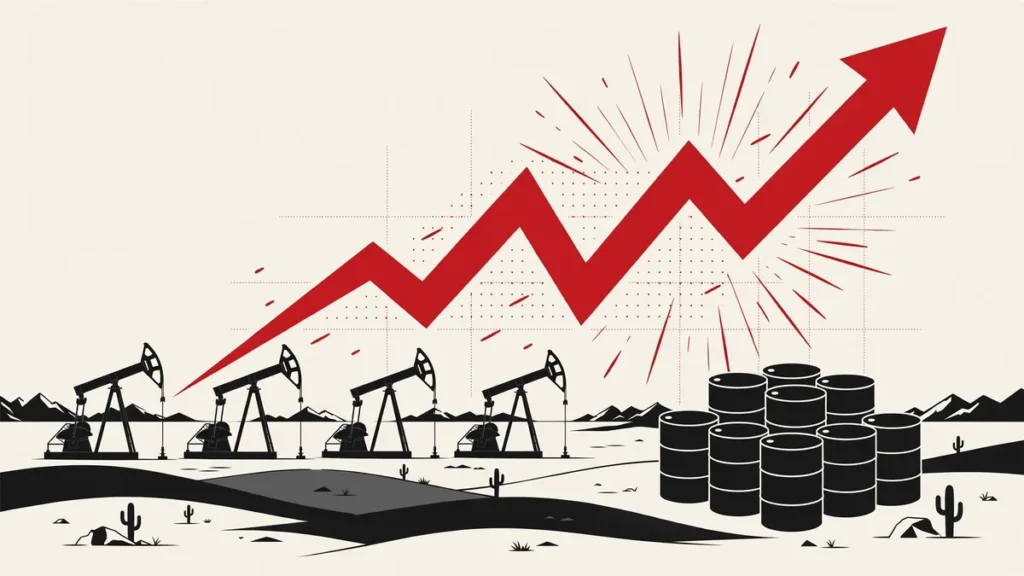
What the FII delay means for US/UK/EU readers
For readers in the US, UK and EU, the postponement is a signal, not just a scheduling note. First, fuel prices: Brent above $110 feeds directly into petrol and diesel costs, and the risk premium is unlikely to erode while attacks continue — ING’s analysts said plainly there are “no signs of this yet.” Second, travel: Riyadh’s airport remains unreliable, the US embassy requires special authorization for its staff to use it, and airlines are adjusting schedules — check departure status before any Gulf travel. Third, markets: the FII delay tells institutional investors that Middle East security risk is back on the front page, which affects energy stocks, airline shares and defence contractors alike. This is educational context, not financial advice — prices move on many factors beyond any single conflict.
Finally, watch the Egypt vote on October 26. If Cairo authorizes troops, it would mark the deepest Egyptian military commitment to the Gulf since the Yemen war of the 1960s — and a sign that Riyadh’s partners believe the threat will last well into 2027, the same year the FII is now supposed to return.
What to watch next in Riyadh
Four things matter this week. One: whether new FII dates are actually announced “very soon” — a vague 2027 placeholder with no dates would signal organisers expect the threat to persist. Two: the Egypt parliament vote on October 26, and whether Saudi Arabia formally requests Egyptian military support. Three: whether Riyadh’s airport resumes normal operations — its suspension is the single biggest logistical obstacle to any large international gathering. Four: whether the Houthis follow through on their threats against more energy infrastructure, which would push the oil risk premium higher. We are tracking all four in our conflict zones hub.
Frequently asked questions
Is the FII 2026 summit cancelled or postponed?
Postponed, not cancelled. FII Institute CEO Dr Maha Bint Mishari Al Saud announced on October 19, 2026 that the 10th edition (FII10, “The Power of Legacy”) will take place in 2027 instead of October 26-29, 2026. New dates will be announced “very soon,” and current registrations and partnerships remain valid.
Why did Saudi Arabia postpone the Future Investment Initiative?
The decision followed an escalating wave of Houthi missile and drone attacks on Saudi infrastructure, including strikes on Riyadh’s King Khalid International Airport in early October that killed more than a dozen people and disrupted air travel. Three sources told AFP before the announcement that bankers and executives were unwilling to fly to Riyadh under the current security conditions.
Is it safe to travel to Riyadh right now?
Western governments are urging caution. The US embassy issued a security alert on October 18, 2026 advising heightened vigilance and warning of flight cancellations and airspace closures; US government staff need special authorization to use King Khalid International Airport. The UK, Canada, Germany and Spain issued similar warnings. Check official travel advice and your airline before booking.
Will oil prices keep rising because of the Houthi attacks?
Brent crude traded near a five-month high above $110 a barrel on October 20, 2026 as traders priced in a geopolitical risk premium from the attacks. ING analysts said the premium looks “well-supported” while attacks continue, but prices can also fall quickly if flows remain uninterrupted — crude moves on many factors, and this is context, not financial advice.
What is the “Davos in the Desert”?
It is the informal nickname for Saudi Arabia’s Future Investment Initiative (FII), an annual investment conference launched in 2017 in Riyadh. Modelled loosely on the World Economic Forum in Davos, Switzerland, it is the flagship stage for Crown Prince Mohammed bin Salman’s Vision 2030 plan to diversify the Saudi economy beyond oil.
Sources
- Al Jazeera: Saudi Arabia cancels 2026 ‘Davos in the Desert’ amid Houthi attacks
- Reuters: Egypt delays vote on military support for Saudi Arabia until October 26
- CNA: Saudi flagship investment conference pushed to 2027 after Houthi attacks
- Reuters via The Hindu BusinessLine: Brent crude holds near five-month high on Middle East tension
- US Embassy Riyadh: Security Alert — U.S. Mission Saudi Arabia, October 18, 2026
- The National: Saudi Arabia postpones FII conference in Riyadh after Houthi attacks
- New York Post (via Wall Street Journal): Saudi Arabia postpones investor summit as Houthi missile attacks rattle kingdom

Discussion 0
Share analysis, corrections, or context. Be civil — comments are moderated.