WarBrief Live | October 19, 2026 | Conflict Zone
The war in Yemen has entered its most dangerous phase since fighting reignited in July 2026. On October 15, Houthi ballistic missiles struck the al-Maashiq presidential palace in Aden for the first time in this round of fighting, killing five people. The next day, two missiles landed near a Yemenia Airways passenger jet preparing to take off. Egypt now offers military support to Saudi Arabia, and the UAE reportedly resumes funding for southern anti-Houthi forces — widening the conflict into a regional confrontation.
Overview
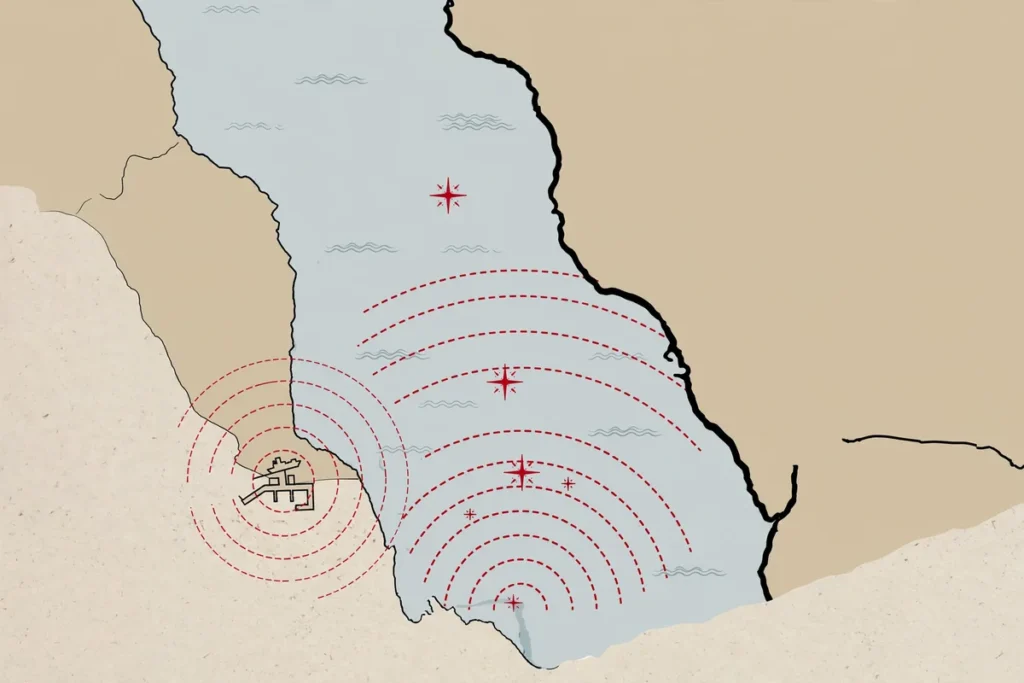
Yemen’s civil war, frozen under a 2022 truce, collapsed back into open fighting in July 2026 and has since become another front in the wider Middle East conflict that followed US and Israeli strikes on Iran in February. The Iran-backed Houthis, who control the capital Sanaa and much of the north, have in recent weeks seized territory along the Red Sea coastline while stepping up missile and drone attacks on Saudi infrastructure and airports, including strikes on Riyadh’s international airport and Saudi Aramco. The Saudi-backed, internationally recognized government based in Aden declared a counteroffensive, Operation Yemen Dawn, but reporting indicates limited success around Marib and at the Bab el-Mandab strait.
Key actors
- The Houthis (Ansar Allah): Iran-aligned movement controlling Sanaa and northern Yemen; its military spokesman Yahya Saree says the group is targeting “Saudi reinforcements wherever they were located.”
- Yemen’s recognized government: Headed by Prime Minister Shaya al-Zindani and seated in Aden, backed by the Saudi-led coalition.
- Saudi Arabia: Leads the coalition backing Aden; under daily drone and missile attack, with airports and energy infrastructure hit.
- The UAE: Withdrew from Yemen operations in January after falling out with Riyadh; now reportedly returning via renewed funding of southern forces such as the Giant Brigades.
- Egypt: The Arab world’s largest military, newly offering defensive support to Saudi Arabia pending parliamentary authorization.
Recent developments
- October 15: Five Houthi ballistic missiles struck the al-Maashiq presidential palace compound in Aden, the first such attack since fighting resumed in July. Health Minister Qasim Buhaibeh said five guards and civilian employees were killed and 16 wounded. Prime Minister Shaya al-Zindani was present but unharmed, the information minister said. The Houthis claimed they had hit a “Saudi military operations headquarters,” a claim that could not be independently verified.
- October 16: Two missiles landed inside Aden International Airport while Yemenia Airways Flight IY612 — 151 passengers bound for Cairo — was preparing for takeoff. Information Minister Moammar al-Eryani said the missiles fell 500 meters from the aircraft and 100 meters from the runway centerline; all passengers and crew were evacuated with no casualties, while an incoming Fly Aden flight diverted to Seiyun. The Houthis said their target was a Saudi command post and weapons depot at the adjacent Badr Camp. The same day, the Saudi-led coalition said its air defenses intercepted a ballistic missile aimed at the Yanbu oil export terminal, plus two cruise missiles and three drones.
- October 17: The Guardian reported, citing sources in Yemen, that the UAE had agreed to resume payments to southern anti-Houthi forces in exchange for Saudi air cover — a possible healing of the two countries’ rift. Neither government had publicly confirmed the arrangement. That day, Egypt’s President Abdel Fattah al-Sisi said Egypt would take “any measures necessary” to defend Saudi Arabia if asked, requesting an emergency parliament session to authorize the military.
- October 18–19: Egypt’s presidency promised Saudi Arabia “all necessary and possible forms of support” after a National Defense Council meeting; a parliamentary vote was expected. Riyadh has blamed Iran for the escalation.
Current status
The conflict is now operating on three axes: a ground campaign in Yemen’s south and Marib, a missile and drone campaign reaching deep into Saudi Arabia, and a regional political realignment as Gulf states close ranks. Operation Yemen Dawn has not yet reversed Houthi gains, while Houthi strikes have intermittently immobilized Saudi airports and threatened energy infrastructure. A real UAE re-entry — resuming funding cut off in January — could strengthen the effective southern forces, but also risks reigniting the Saudi-UAE dispute over southern separatism, with the Southern Transitional Council demanding a secession referendum neither Gulf state has endorsed. Egypt’s offer adds the region’s largest army as a new variable; Cairo’s posture is explicitly defensive and still awaits parliamentary authorization.
For a related flashpoint inside Yemen, see our coverage of the Houthi ballistic missile strike on al-Alam camp in Shabwa, and for the Saudi-targeted air campaign, Houthi Airport Attacks: What Happened in Saudi Arabia. Browse all active conflicts in our Conflict Zones hub.
What to watch
- The Egyptian parliament’s vote on authorizing military support for Saudi Arabia.
- Whether the reported UAE funding deal produces real forces on the ground, and how the secession referendum demand affects Riyadh-Abu Dhabi coordination.
- Further Houthi strikes on Saudi energy infrastructure or airports, and coalition interception rates.
- The trajectory of Operation Yemen Dawn around Marib and the Bab el-Mandab strait, where oil shipping remains exposed.
Sources
- Reuters via Haaretz: Houthis Strike Yemen’s Presidential Palace as Saudi Arabia Reports Attacks
- Al Jazeera: Houthis strike Yemen’s Aden: What that means
- Anadolu Agency: 2 Houthi missiles land near passenger plane at Yemen’s Aden airport
- Reuters: Egypt says ready to give Saudi Arabia necessary support amid Houthi conflict
- The Guardian (via News89): UAE agrees with Saudi Arabia to re-enter Yemen conflict amid Houthi gains