
WarBrief Live | November 3, 2026 | Breaking Analysis
Russian bombs struck a school used as a weekly aid distribution point and a nearby shelter in Komyshuvakha, Zaporizhzhia region, on November 2, 2026, killing 26 people reported by Ukrainian officials and raising urgent questions about what the attack means for peace talks scheduled for November 10 and 11 in Abu Dhabi.
What investigators have confirmed so far is the sequence and the site: a first wave hit as residents arrived for the Monday aid distribution, and a second wave hit the shelter where people had taken cover. What remains unverified is the final toll, because rescue teams were still searching rubble and officials gave differing missing-person figures. This article keeps confirmed and reported figures separate throughout.
Key Takeaways
- Ukrainian officials reported 26 people killed in Komyshuvakha on November 2, 2026, including two rescue workers and four police officers, with five people injured.
- The school had stopped holding classes because the village is close to the front line; instead, residents collected aid packages there every Monday.
- President Volodymyr Zelenskyy said Russia could not have been unaware of the weekly gatherings and called the strike proof Moscow does not want de-escalation.
- Russia had not publicly commented on the attack in reports available on November 2, according to Al Jazeera and The Business Standard.
- The strike came a day after a six-day localised ceasefire around Oleshky expired, and days before US-mediated talks in Abu Dhabi on November 10 and 11.
What happened in Komyshuvakha on November 2, 2026?
On the morning of November 2, 2026, Russian aerial bombs struck Komyshuvakha, a village in the southern Zaporizhzhia region, Al Jazeera reported. The first bombs hit a school building that was being used to distribute humanitarian aid. President Volodymyr Zelenskyy said in his nightly address that the Russians struck first just as people were arriving, and then launched a second strike on the shelter. He described the second attack as a vile terrorist strike.
Regional officials said at least nine aerial bombs, each weighing 3,000 kilograms, struck the village, according to The Indian Express. The acting head of the Zaporizhzhia regional military administration, Mykhailo Semikin, later clarified that the weapons included FAB-3000 guided aerial bombs, Ukrainska Pravda reported. The distinction matters: a FAB-3000 is a very large air-dropped bomb, and its reported use helps explain the scale of destruction described by rescuers, including a destroyed gymnasium, an outbuilding and a fire truck.
Rescue work continued into the night. Emergency responders used flashlights to search collapsed buildings, and officials said further Russian drone activity in the area hampered the effort on Monday evening. Semikin described the attack as a terrible tragedy for the village and said people were still under the rubble, The Business Standard reported.
By the numbers: what is confirmed and what is reported?
The toll rose during November 2 as rescuers reached the site. That progression is itself important evidence: early figures were partial, not final. The table below separates figures confirmed by at least two sources from figures that rest on a single or secondary report.
| Metric | Figure | Source |
|---|---|---|
| People reported killed (latest, November 2 evening) | 26 (REPORTED, presidential update) | Zelenskyy nightly address via Al Jazeera; Korea Times |
| People confirmed killed by emergency service count | 24 (CONFIRMED by DSNS count reported by multiple outlets) | Ukraine State Emergency Service via Al Jazeera, Ukrainska Pravda |
| Rescue workers among the dead | 2 (CONFIRMED) | DSNS via Al Jazeera, Ukrainska Pravda |
| Police officers among the dead | 4 (CONFIRMED) | DSNS via Al Jazeera, Ukrainska Pravda |
| People injured | 5, including 2 rescue workers (CONFIRMED) | DSNS via Al Jazeera |
| People initially reported missing | 27, with other officials citing about 20 (REPORTED, unsettled) | Zaporizhzhia City Council / Semikin via Al Jazeera; Korea Times |
| Aerial bombs reported in second wave / total | 9 bombs in second wave; at least 9 x 3,000 kg bombs overall (REPORTED) | Zelenskyy / Semikin via Indian Express, Ukrainska Pravda |
Caveat: all casualty figures remain provisional while search work continues and no final official list has been published; the 26 figure is the latest presidential update, while the emergency service detailed count stood at 24 before that update.
Background and timeline: from the Oleshky truce to November 2
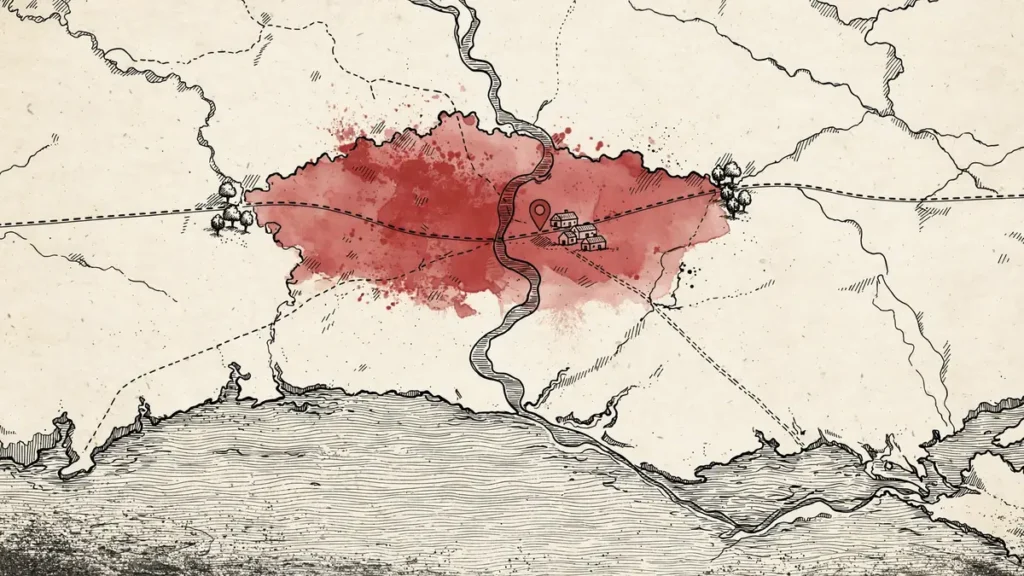
Komyshuvakha lies about 20 to 25 kilometres east of the city of Zaporizhzhia, close to the front line, and has faced repeated guided aerial bomb attacks. The school was closed to students for that reason. Instead, it served as a shelter and a weekly distribution point where residents who remained in the village collected aid packages every Monday.
- October 27, 2026: A six-day localised ceasefire began around Oleshky in the Kherson region, brokered to allow a humanitarian mission and civilian evacuations from the Russian-occupied city.
- November 1, 2026: The Oleshky ceasefire expired after six days, with neither side reporting breaches during the pause, according to wire reporting carried by Malay Mail.
- November 2, 2026, morning: Bombs struck the Komyshuvakha school as residents arrived for the Monday aid distribution, followed by a second wave on the shelter.
- November 2, 2026, afternoon and evening: The reported toll rose from 18 to 24 in the emergency service count, then to 26 in Zelenskyy’s nightly address.
- November 3, 2026: Zaporizhzhia region marked a day of mourning, regional officials said.
- November 10 and 11, 2026: US-mediated talks between Ukraine and Russia are scheduled in Abu Dhabi, US special envoy Steve Witkoff said.
The timing does not by itself prove the strike was ordered as a response to the truce expiring. What it does show is a sharp break in the pattern of the previous week: a localised pause that held for humanitarian work in one southern area was followed, within a day, by a deadly attack on a humanitarian site in a neighbouring region. That contrast is why Kyiv is framing the strike as a test of intent, not only as a battlefield event. For the truce itself, see our Oleshky ceasefire explainer and our account of what the ceasefire expiry meant for Kherson civilians, and follow the wider fighting in our conflict zones hub.
Why did the Komyshuvakha strike happen when it did?
No verified Russian statement explaining the target was available in the reports checked for this article. Al Jazeera noted there was no immediate comment from Russia, and The Business Standard reported on November 3 that the Russian military had not publicly commented on the attack. Any claim about Russian intent therefore rests on Ukrainian statements and on the observable facts of the site, not on a confirmed Russian account.
Zelenskyy’s argument is that the weekly pattern made the site’s function knowable. He said the Russians could not have been unaware that residents gathered there each Monday for aid. That claim is consistent with the site’s regular use, but it is still an attribution by Ukraine’s president, not an independently verified Russian targeting decision. Readers should hold that distinction: the function of the building and the timing of the gathering are well supported, while the question of what Russian planners knew or intended has not been independently established.
A second context is the wider air campaign. On the same day, drone strikes injured 12 people in the Kharkiv region and five people in Odesa, according to emergency services cited by Al Jazeera. Zelenskyy also said Ukrainian intelligence warned Russia was preparing a new massive attack on energy and logistics networks, timed to coincide with the US midterm elections on November 3. That warning is an intelligence claim, not a confirmed operational plan, and it should be read as such.

Who was killed, and why does the responder toll matter?
Among the dead were two members of a rescue crew and four police officers. Ukrainska Pravda named the two rescue workers as Denys Konovalenko and Oleksii Sushchevskyi, both reported as 44 years old, citing the State Emergency Service. The loss of responders matters for two reasons. First, it reduces the very capacity needed to pull survivors from rubble in a front-line village. Second, strikes that hit rescuers arriving after a first attack raise serious questions under the laws of war about the protection of humanitarian and emergency personnel, questions that investigators and prosecutors will need evidence, not headlines, to answer.
Ukraine’s Prosecutor General’s Office opened criminal proceedings over the attack on suspicion of a war crime, according to live reporting on November 2. That step opens an investigation; it is not a verdict. An arrest is not a conviction, and a claim is not a confirmed finding. The distinction matters for every reader following this story, because early war-crime labels often outrun the evidence that courts require.
What the Komyshuvakha attack means for the Abu Dhabi peace talks
Hours after the attack, Witkoff said delegations from Ukraine and Russia would meet in Abu Dhabi on November 10 and 11 to discuss post-war security agreements, de-escalation, humanitarian measures and ending the war. The talks would be the first US-mediated three-way meeting since February, building on the planned Abu Dhabi talks previewed earlier, after Putin agreed to a new round following his meeting with Witkoff in St Petersburg on October 21, Al Jazeera reported.
For Kyiv, Komyshuvakha is now Exhibit A in an argument that Moscow is not seeking de-escalation. Zelenskyy said there had been a moment after Oleshky when next steps could have shown peace was possible, and that with these killings Russia was sending the opposite signal. He urged Washington to pressure Russia in such a way that it has no alternative but to end the war.
For negotiators, the practical effect may be narrower and more difficult. A single atrocity allegation rarely cancels a scheduled round, but it hardens positions on the issues most likely to dominate Abu Dhabi: security guarantees, humanitarian access and what counts as de-escalation. If Ukraine arrives arguing that humanitarian sites are unsafe even after a successful local truce, it will press for stronger monitoring and guarantees. If Russia arrives without addressing Komyshuvakha, Western partners will face pressure to treat the attack as a credibility test. Neither outcome is preordained, and neither should be reported as if it were.
There is also a sequencing risk. Witkoff said US mediators would meet this week in Brussels with officials from France, Germany, the United Kingdom, the European Union and NATO to discuss security guarantees and rebuilding support. A high-casualty humanitarian-site strike in the days before those meetings strengthens the case for tougher guarantees, but it also makes compromise language harder to sell in Kyiv.
What the Komyshuvakha strike means for US, UK and EU readers
For readers in the United States, the United Kingdom and the European Union, the direct effects are political and economic rather than immediate physical risk. First, the strike will feature in debates about continued military aid, especially air defence. Ukraine has repeatedly said it faces shortages of Western-supplied air-defence interceptors, and Zelenskyy linked the timing of a possible new Russian attack to the US midterms, arguing that attention elsewhere could leave Ukraine’s air-defence needs overlooked.
Second, energy and logistics are the stated target of the warned Russian campaign. If strikes on energy infrastructure intensify as winter approaches, European energy prices and supply planning could feel knock-on effects, even though Komyshuvakha itself is not an energy site. Readers should watch official energy-market reporting, not social-media price claims, for that link.
Third, humanitarian policy is directly affected. Aid distribution in front-line villages depends on predictable, protected access. If aid points become targets, agencies must weigh whether to centralise distribution, which increases risk at one site, or disperse it, which increases exposure on the road. Donors in the US, UK and EU will hear that dilemma in the next funding appeals, and it is worth asking which model agencies choose and why.
Different perspectives
Ukraine’s perspective is that the strike was a deliberate attack on a known humanitarian site and proof of bad faith. That view is stated by Zelenskyy and by regional officials, and it is consistent with the site’s weekly use. Russia’s perspective, as far as public reporting shows, is absence: no public comment was available at the time of writing, so no Russian explanation, denial or justification can be fairly summarised here. Inventing one would mislead readers.
International humanitarian observers will focus on a different question: whether the site’s status was communicated and protected in a way that all parties could recognise. The fact that aid was distributed openly every Monday supports Kyiv’s argument, but formal protection assessments require evidence about markings, notifications and the chain of command, none of which has been published yet. That evidence gap is why this article labels intent as unconfirmed while treating the site’s function and the casualty reports as sourced.
Diplomatic observers offer a third lens. They note that localised truces, like Oleshky, can succeed precisely because they are narrow, time-limited and tied to a specific mission. Their success does not automatically generalise. Komyshuvakha, outside the agreed zone and after expiry, shows how quickly a local precedent can fail to protect civilians elsewhere. That lesson, if absorbed, points negotiators toward broader, monitored humanitarian arrangements rather than one-off pauses.
What to watch next in the Komyshuvakha case and the talks
Watch four things. First, whether the final casualty list and missing-person count are published, and whether the 26 figure is confirmed by the emergency service or revised. Second, whether Russia issues any public statement, and whether it addresses the school’s humanitarian function. Third, whether rescue and investigation updates name additional victims or clarify the weapon types used. Fourth, whether the Brussels security-guarantee meetings and the Abu Dhabi round on November 10 and 11 produce any humanitarian-access language that references front-line aid points by name.
Readers should also watch for a new Russian air campaign against energy and logistics, as Zelenskyy warned. If such a campaign materialises, its scale and targets will be reported by Ukraine’s air force and by independent monitors, and those reports, not predictions, should guide the next update to this story.
Frequently asked questions
What happened in Komyshuvakha on November 2, 2026?
Russian aerial bombs struck a school used as a weekly aid distribution point in Komyshuvakha, Zaporizhzhia region, followed by a second wave on a nearby shelter where people had taken cover, according to Ukrainian officials and multiple news outlets.
How many people were killed in the Komyshuvakha aid-centre strike?
Ukrainian officials reported 26 people killed by the evening of November 2, including two rescue workers and four police officers, with five injured. The emergency service detailed count stood at 24 before the presidential update to 26, and missing-person figures ranged from about 20 to 27, so all figures remain provisional.
Why was a school being used to distribute aid in Komyshuvakha?
The school had stopped holding classes because the village is close to the front line. Instead, it served as a shelter and a weekly distribution point where residents who remained in the village collected aid packages every Monday.
Has Russia commented on the Komyshuvakha strike?
No public comment from the Russian military was available in reports checked on November 2 and 3. Al Jazeera noted there was no immediate comment from Russia, and The Business Standard reported on November 3 that the Russian military had not publicly commented.
What do the Abu Dhabi talks on November 10 and 11 mean after Komyshuvakha?
The talks, announced by US envoy Steve Witkoff, are scheduled to cover post-war security agreements, de-escalation, humanitarian measures and ending the war. Komyshuvakha is likely to harden Ukraine’s demand for stronger guarantees and humanitarian protections, but it does not by itself cancel the round.
Sources
- Al Jazeera: Russian attack on Ukraine aid hub kills 26 as US announces new peace talks
- Korea Times (Reuters-Yonhap): Russia bombs aid center and shelter in southern Ukraine, killing 26, officials say
- The Business Standard: Russian attack on Ukraine aid distribution centre kills at least 26
- The Indian Express: 26 Dead as Russian Aerial Bombs Flatten Humanitarian Aid Centre in Zaporizhzhia
- Ukrainska Pravda: Russian bomb attack on humanitarian aid point in Komyshuvakha kills 26



Discussion 0
Share analysis, corrections, or context. Be civil — comments are moderated.