
WarBrief Live | October 21, 2026 | Breaking Analysis
President Donald Trump blocked Benjamin Netanyahu’s planned October Iran strike, killing off a multi-day bombing operation the IDF had readied for the weekend of October 10, 2026. The Financial Times reported on October 21 that three people familiar with the matter said Trump opposed restarting the war before the November 3 US midterm elections — a veto that resets the clock on the next round of the US-Israel-Iran confrontation.
Key Takeaways
- The Financial Times, citing three sources familiar with the plans, reports Netanyahu ordered the IDF to prepare a multi-day bombing campaign for the weekend of October 10 targeting Iranian nuclear facilities, power plants and regime sites.
- Trump opposed the operation because he did not want to restart the war before the November 3 midterm elections; the operation was shelved, though not formally canceled.
- The planned strikes were meant to exceed the intensity of the joint US-Israel campaign launched in February 2026, according to the FT’s sources.
- Netanyahu has since instructed the IDF to plan a new offensive, and one source told the FT that renewed strikes “in the coming weeks” are a realistic scenario — possibly involving the United States.
Why did Trump block Netanyahu’s October Iran strike?
The short answer, according to the Financial Times‘ reporting, is the American electoral calendar. Three people familiar with the matter told the newspaper that Trump decided not to restart the conflict before the US midterm elections on November 3, and the IDF’s planned October 10 operation was stood down as a result. The Times of Israel’s write-up of the FT report notes it was unclear whether the United States would itself have joined the strikes — the decision Trump took was to deny Israel the green light, not necessarily to withhold American participation.
This is not the first public signal of that position. On October 9, Trump said Washington would not attack Iran before the midterms, days after a report that IDF Chief of Staff Lt. Gen. Eyal Zamir had told his American counterparts that such an attack could cause Israel’s own election — slated for late October — to be postponed, with Jerusalem assessing that Iran would respond to an American strike with massive missile fire at Israel. The veto therefore fits a consistent pattern: Haaretz’s coverage frames the October veto as Trump holding the line he drew publicly on October 9.
There is a second, less flattering reading of the episode. One of the FT’s sources suggested the October 10 plan could itself have been part of a negotiating tactic — a loaded gun displayed to Tehran while Washington pushes for a deal — and stressed that any decision to restart the fighting ultimately lies with Trump. That reading is worth keeping in mind: “blocked” implies a plan that was otherwise going to happen, but the public record cannot fully confirm how close the IDF came to launching.
What would the October 10 offensive have targeted?

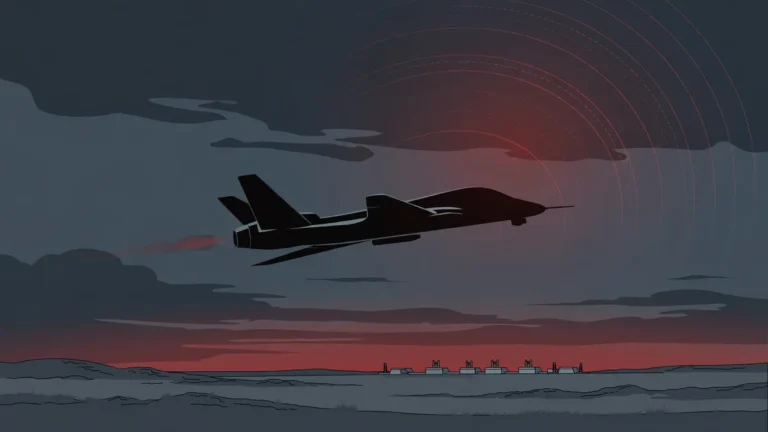
According to the FT’s sources, the operation was designed as a multi-day bombing campaign with three target classes: Iranian nuclear facilities, power plants and other civilian infrastructure, and sites associated with the regime. Ynet’s report adds that the planned offensive was intended to surpass the intensity of the joint US-Israeli military campaign launched in February — the campaign that opened this year’s war.
The inclusion of civilian infrastructure is the most consequential detail. The Jerusalem Post notes that Israel has now prepared a new bank of targets that includes civilian infrastructure sites that have not been hit in the past — a deliberate expansion of the target set. Hitting power plants and energy infrastructure would aim at wartime pressure on the Iranian state, but it would also predictably drive up regional fuel prices and put civilian populations in the dark, which is precisely why the detail matters for readers in the US, UK and EU.
One person familiar with the discussions told the FT that a new round of strikes “in the coming weeks” remained a realistic scenario, potentially involving both Israel and the United States. “There will either be a deal or an attack,” the source said — framing Washington’s position as coercive diplomacy: an agreement covering Iran’s nuclear program and control of the Strait of Hormuz, or a return to bombing.
By the numbers: the October veto claims, confirmed vs reported
What the Financial Times reported — and what independent reporting has established — do not carry the same weight. The table below separates them.
| Metric | Figure | Source |
|---|---|---|
| Status | CONFIRMED — stated by officials or carried by 2+ independent outlets | |
| US midterm elections | November 3, 2026 | Multiple outlets; FT report |
| Trump’s “no attack before midterms” line | October 9, 2026 | Times of Israel |
| Hegseth’s unannounced Israel visit | October 19, 2026 — met Netanyahu and Katz at Ovda Airbase | Haaretz; Israel National News |
| WarBrief coverage of the Hegseth visit | Post 5868, October 19, 2026 | warbrief.live |
| Status | REPORTED — attributed to anonymous sources in the FT’s reporting, not independently verified | |
| Planned operation window | Weekend of October 10, 2026 | FT (3 sources familiar) |
| Target classes | Nuclear facilities, power plants / civilian infrastructure, regime sites | FT (3 sources familiar) |
| Planned intensity | Greater than the February 2026 joint US-Israel campaign | FT (3 sources familiar) |
| Netanyahu’s new offensive order | IDF instructed to plan a new offensive | JPost, citing FT |
| Post-midterm strikes scenario | “Not an unreasonable scenario” in coming weeks | One FT source (assessment, not a plan) |
| Negotiating-tactic reading | October 10 plan may have been leverage for talks | One FT source (attributed, disputed) |
Caveat: “Confirmed” means stated on the record or carried by multiple independent outlets. “Reported” means attributed to anonymous sources and repeated accurately — but it has not been independently verified by WarBrief, and the FT’s three sources have not been named.
How the veto fits the last three weeks of the Iran confrontation

- October 9: Trump says publicly that Washington will not attack Iran before the midterms. The same day, reports surface that IDF Chief of Staff Zamir warned US counterparts an American strike could postpone Israel’s election — and that Jerusalem expects massive Iranian missile retaliation against Israel if the US strikes.
- October 10 (weekend): The window in which the FT says Netanyahu’s planned multi-day operation would have launched. The operation does not happen.
- October 19: US Defense Secretary Pete Hegseth makes an unannounced visit to Israel, meeting Netanyahu and Defense Minister Israel Katz at Ovda Airbase. Hegseth confirms the visit but declines to discuss the private talks. Israel National News reports that Israeli officials presented their American counterparts with an updated list of Iranian targets based on new intelligence.
- October 20: Fox News reports Israel held a drill sending fighter jets toward Iran through Syria and Iraq — a practice flight, per Haaretz.
- October 21: The Financial Times publishes its report on the October veto. The same day, Al Jazeera’s live coverage reports Secretary of State Marco Rubio calling a peace deal with Tehran “extremely difficult” and Hegseth saying Washington is ready to take further military action — while Iran’s President Pezeshkian demands the US eliminate all economic pressure, threats and sanctions before any negotiations.
Why the October veto matters more than a delay
A veto is not a peace agreement. But this one reveals the structure of the war’s decision-making in three ways that go beyond a simple postponement.
First, it confirms that Israel cannot restart the war at scale without Washington — or at least believes it cannot. Netanyahu, who in recent weeks has publicly declared himself “determined” to bring about “the elimination of the Iranian regime”, still needed Trump’s acquiescence for an October operation. That dependency is the single most important strategic fact the FT report exposes.
Second, it shows US domestic politics now set the war’s timetable. The midterms are 13 days away; Trump’s team has decided the economy and energy prices cannot absorb another Middle East escalation before November 3. Read the rest of this series for what that calendar means: with a third US aircraft carrier now in the Middle East, Washington is building the capacity for a post-midterm campaign even as it restrains Jerusalem.
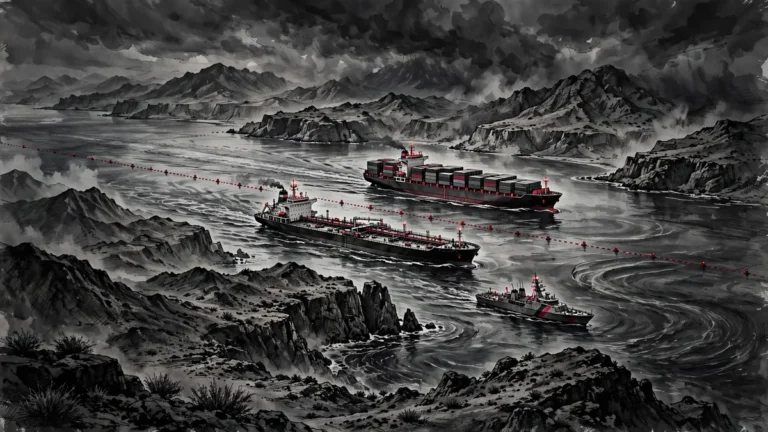
Third, the “deal or attack” framing from the FT’s source connects the veto to the Strait of Hormuz. Iran’s “firm response” doctrine has already put tankers in the crosshairs, and Tehran’s foreign minister said on October 21 the strait will stay closed until Washington accepts Iran’s conditions. The veto bought two things at once: midterm calm for Trump and negotiating leverage for the administration’s coercive diplomacy.
How Washington, Jerusalem and Tehran are reading the veto
Washington: The administration’s public line is continuity — Rubio’s “extremely difficult” assessment of a peace deal, Hegseth’s readiness “to take further military action,” and the October 9 no-strikes-before-midterms statement all point the same way: pressure now, decisions later. Trump notably refused to discuss his Hegseth-Netanyahu meeting readout with reporters, keeping his options — and his leverage over both Netanyahu and Tehran — opaque.
Jerusalem: Netanyahu is campaigning on two fronts: an election at home (Haaretz reports he has claimed Israel’s enemies seek to attack before the vote, while opposition lawmakers warn he could ignite a war for political purposes) and a renewed offensive he is openly demanding. The FT report suggests he pushed for the October operation and was rebuffed — which makes the Hegseth visit two days before the report’s publication look like an attempt to re-litigate the case with new target intelligence.
Tehran: Iran’s posture on October 21 was defiance layered over diplomacy. President Pezeshkian said the US must drop “all economic pressure, threats and sanctions” before negotiations, Foreign Minister Araghchi held the Hormuz closure as leverage while saying indirect talks continue through Pakistan and Qatar, and Iran’s national security secretary ruled out removing “a single gram” of enriched uranium. Tehran is betting that the veto — and the midterms behind it — give it a window to consolidate.
For the wider regional picture, see our conflict zones hub and our analysis of Saudi Arabia’s public blame of Iran for the Houthi escalation — Riyadh is watching the same calendar Washington is.
What does the veto mean for US, UK and EU readers?
Fuel and energy prices: The veto is, in the near term, good news for pump prices. A multi-day campaign against Iranian power plants and energy infrastructure on October 10 would very likely have sent crude prices sharply higher — and with the Strait of Hormuz effectively closed, per Tehran’s foreign minister, the market is already pricing in a war premium. No October escalation means the next two weeks avoid a fresh supply shock; a post-midterm campaign would reverse that overnight.
Travel and airspace: Middle East air corridors remain constrained while the confrontation simmers. Travelers flying Europe–Asia routes should keep watching airline advisories: a renewed strike campaign would trigger fresh airspace closures over Iran, Iraq and potentially the Gulf, with rerouting and cancellations following within hours.
Markets: The veto removes the most acute near-term tail risk — a surprise October escalation — but it does not remove the November risk. Investors should note the “deal or attack” binary the FT’s source described: the administration is treating the post-midterm window as decision time, which keeps defense, energy and shipping equities volatile through the month.
Security posture: For the UK and EU, the veto underscores how exposed European energy and trade remain to decisions made in Washington and Jerusalem. Brussels is already retooling its posture — including the new Arctic security push — but the Hormuz leverage sits with Tehran for now.
Will Israel and the US strike Iran after the midterms?
That is the question the veto leaves open, and the honest answer is that it is genuinely unresolved. The evidence for a post-midterm campaign: a third US carrier in theater, Israel’s refreshed target bank, Netanyahu’s public campaign for a new offensive, the Fox-reported drill flight toward Iran on October 20, and the FT source’s “not an unreasonable scenario.” The evidence against: the administration’s coercive-diplomacy track through Pakistan and Qatar, the risk of Iranian missile retaliation against Israel, and the fact that one FT source framed the October plan itself as negotiating theater.
Three things to watch in the next 13 days will sharpen the picture. First, whether the indirect talks produce anything — a framework would deflate the strike case. Second, whether Hormuz stays closed and whether Iran’s “Seven-Day Plan” for reopening the strait (reported in the Al Jazeera liveblog) gains traction. Third, the Israeli election outcome: a Netanyahu victory could embolden the push for the offensive he has already ordered his military to plan.
One final precision note: a veto is not an intelligence assessment, and anonymous sources are not the official record. The FT’s three sources have not been named, the Pentagon has not commented, and one of the sources disputes the premise that the October operation was ever more than leverage. Treat the veto as reported, not as established fact — and treat the coming two weeks as the window in which the reporting gets tested.
Frequently asked questions
Why did Trump block Netanyahu’s planned October Iran strike?
According to the Financial Times, citing three people familiar with the matter, Trump opposed restarting the war before the November 3 US midterm elections. The IDF’s planned multi-day bombing operation for the weekend of October 10 was shelved as a result.
Would the United States have joined the Israeli operation?
That remains unclear. The FT report says it was not established whether the US would have participated in the October 10 strikes. One source said renewed strikes in the coming weeks could involve both Israel and the United States.
What was Israel planning to target in the October offensive?
The FT’s sources said the operation would have hit Iranian nuclear facilities, power plants and other civilian infrastructure, plus regime-associated sites — and was designed to be more intense than the joint US-Israel campaign launched in February 2026.
Will Israel and the US strike Iran after the November 3 midterms?
Unknown. Indicators point both ways: Israel has prepared a new target bank and Netanyahu is publicly campaigning for a new offensive, while the US is simultaneously pursuing indirect talks with Tehran via Pakistan and Qatar. The next 13 days will determine which track wins.
How reliable is the Financial Times’ reporting on the veto?
The report rests on three anonymous sources familiar with the plans, and it has been independently carried by the Times of Israel, Ynet, the Jerusalem Post and Haaretz. However, the sources are unnamed, the Pentagon has not commented, and one source suggested the October plan may have been a negotiating tactic. Treat the core claim as reported but not independently confirmed.
Sources
- Times of Israel: Report: Netanyahu planned attack on Iran earlier this month, but Trump opposed it
- Ynet: Report: Netanyahu planned massive Iran attack, but Trump blocked it
- Jerusalem Post: Donald Trump blocked Netanyahu’s planned October offensive against Iran
- Haaretz: Report: Trump Opposed Netanyahu’s Proposed Early October Strikes on Iran
- Al Jazeera: Iran war live: US warns peace deal with Tehran is extremely difficult

Discussion 0
Share analysis, corrections, or context. Be civil — comments are moderated.