
WarBrief Live | October 7, 2026 | Breaking Analysis
Ukraine has received four separate ceasefire proposals for its war with Russia, and Kyiv has singled out India’s as the broadest. On October 2, 2026, Ukrainian Foreign Minister Andrii Sybiha told reporters that India, Türkiye, Egypt and the United States had each put forward a plan — and that India’s was the most comprehensive of the four, prompting a rare public acknowledgement that New Delhi is stepping into an active mediating role.
Key Takeaways
- Ukraine’s foreign minister confirmed Kyiv is holding four ceasefire proposals — from India, Türkiye, Egypt and the United States — and described India’s as the broadest.
- India’s plan reportedly combines three elements: a halt to attacks on energy infrastructure, safe grain and energy flows through the Black Sea, and protection for commercial shipping.
- Kyiv says it is ready to consider an energy-and-Black-Sea ceasefire, but only as a combined package — not as separate deals.
- External Affairs Minister S. Jaishankar confirmed on October 4 that India is now in direct conversations with both Moscow and Kyiv, moving beyond years of advocacy.
What is India’s Ukraine ceasefire proposal?
India’s proposal is a three-part framework aimed at freezing the parts of the war that most directly threaten civilians and global supply chains, rather than the front line itself. According to a Hindustan Times report cited by The Daily Jagran, the plan calls for an end to attacks on energy facilities and other critical infrastructure, the continued movement of grain and energy through Black Sea ports, and a stop to attacks on commercial ships in the Black Sea.
Neither New Delhi nor Kyiv has published the full text, and the details remain attributed to reports citing sources — but the shape of the proposal is now public. India’s External Affairs Minister S. Jaishankar confirmed on October 4 at the Munich Leaders Meeting in New Delhi that India is in active conversations with both Russia and Ukraine, saying the focus starts with “the Black Sea, [the] safety of shipping issue” and extends to grain exports, energy exports and “non-attack possibilities”. “We have been advocating it for many years, and in recent months we have got a little bit more involved beyond advocacy,” he said, as quoted by ANI.
This is a genuine shift in posture. India has spent years calling for dialogue and diplomacy while buying discounted Russian oil — a balancing act critics called fence-sitting. Now, for the first time, Ukraine’s foreign minister says India “has signalled its willingness to play a role”, putting New Delhi in the mediator’s chair alongside Türkiye, Egypt and the United States.
Why does Ukraine call India’s proposal the ‘broadest’?
The answer lies in what the other three proposals do not cover. As reported by The Hindu on October 3, Sybiha told reporters in Kyiv on October 2: “We have four proposals. The broadest one is India’s proposal. We are ready for an energy and Black Sea ceasefire, but only in this combination.”
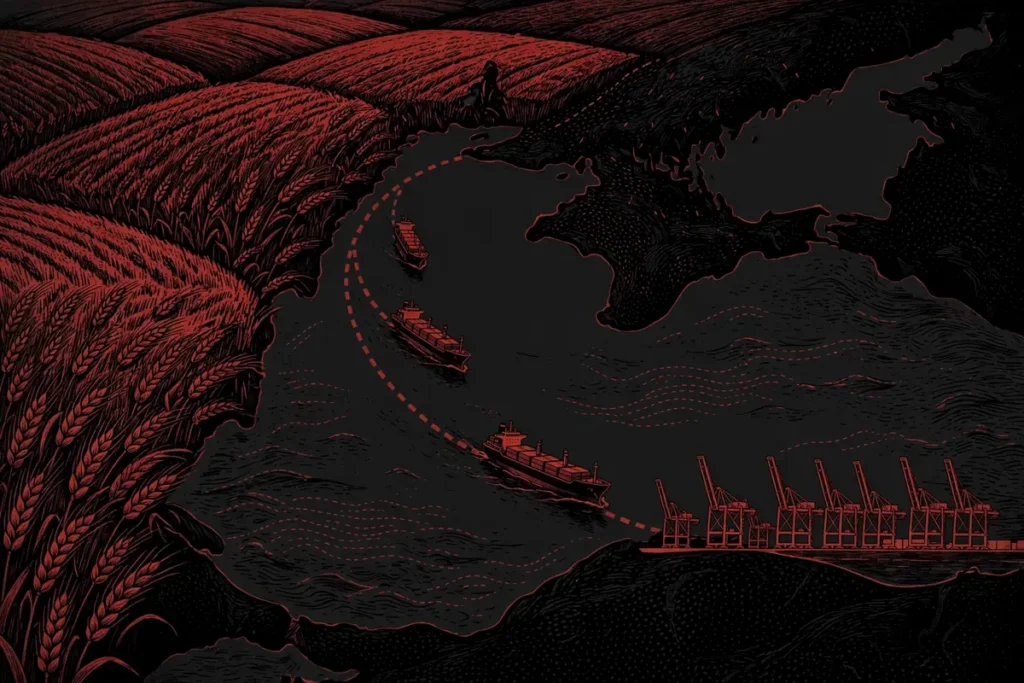
The narrower alternatives explain Kyiv’s preference. The Turkish and Egyptian initiatives focus mainly on the Black Sea and reviving grain shipments — an attempt to rebuild something like the Black Sea Grain Initiative that collapsed when Russia withdrew in July 2023. The American proposal, discussed during the Zelensky–Trump meeting, centres on stopping attacks against energy facilities. India’s plan is the only one that folds all three strands together: energy infrastructure, grain and energy flows, and commercial shipping safety.
That combination matters to Ukraine for a practical reason. Kyiv has insisted that any truce must cover attacks on energy and port infrastructure as well as the situation in the Black Sea — the logic being that a pause on the battlefield means little if Russian missiles keep hitting power stations and port terminals. An energy-only truce leaves the ports exposed; a Black Sea-only truce leaves the grid exposed. India is the only proposer offering the full package.
By the numbers: the four ceasefire proposals
The following comparison separates confirmed facts — stated publicly by Sybiha or Jaishankar — from reported details attributed to media reports citing unnamed sources.
| Metric | Figure | Source |
|---|---|---|
| Ceasefire proposals before Kyiv | 4 (India, Türkiye, Egypt, United States) | Sybiha, Oct 2 — confirmed |
| Kyiv’s ranking of India’s proposal | “Broadest” / “most comprehensive” | Sybiha, Oct 2 — confirmed |
| Parts of India’s plan | 3 (energy infrastructure, grain/energy flows, shipping safety) | Hindustan Times report — reported |
| Years of war so far | 5th year (began February 2022) | Context — confirmed |
| Years since Black Sea grain deal collapsed | 3 (Russia withdrew July 2023) | Context — confirmed |
Caveat: the three-part structure of India’s plan comes from press reports citing sources, not from an official published text. Treat it as the best available reconstruction, not as confirmed policy.
Background and timeline
The diplomatic opening has been building for weeks. On August 31, Prime Minister Narendra Modi met Vladimir Putin in Bishkek, urging a move from what he called an “endless war” toward peace. On September 3, Jaishankar visited Kyiv, meeting Sybiha and President Volodymyr Zelenskyy and flagging concerns about attacks on commercial shipping and their impact on the Global South.
- August 31, 2026: Modi meets Putin in Bishkek; urges a path from “endless war” to peace.
- September 3, 2026: Jaishankar visits Kyiv; meets Sybiha and Zelenskyy; discusses shipping safety.
- October 1, 2026: Putin tells the Valdai Discussion Club that Modi has “very good ideas” for a mutually acceptable settlement and that the Indian leader raises the issue at every bilateral meeting.
- October 2, 2026: Sybiha confirms Ukraine holds four ceasefire proposals and calls India’s the broadest; says Kyiv is ready for an energy-and-Black-Sea ceasefire “only in this combination”.
- October 3, 2026: Jaishankar chairs the India-Russia intergovernmental commission meeting, reiterating India’s support for dialogue and diplomacy.
- October 4, 2026: Jaishankar publicly confirms India is in conversations with both Moscow and Kyiv — “a little bit more involved beyond advocacy”.
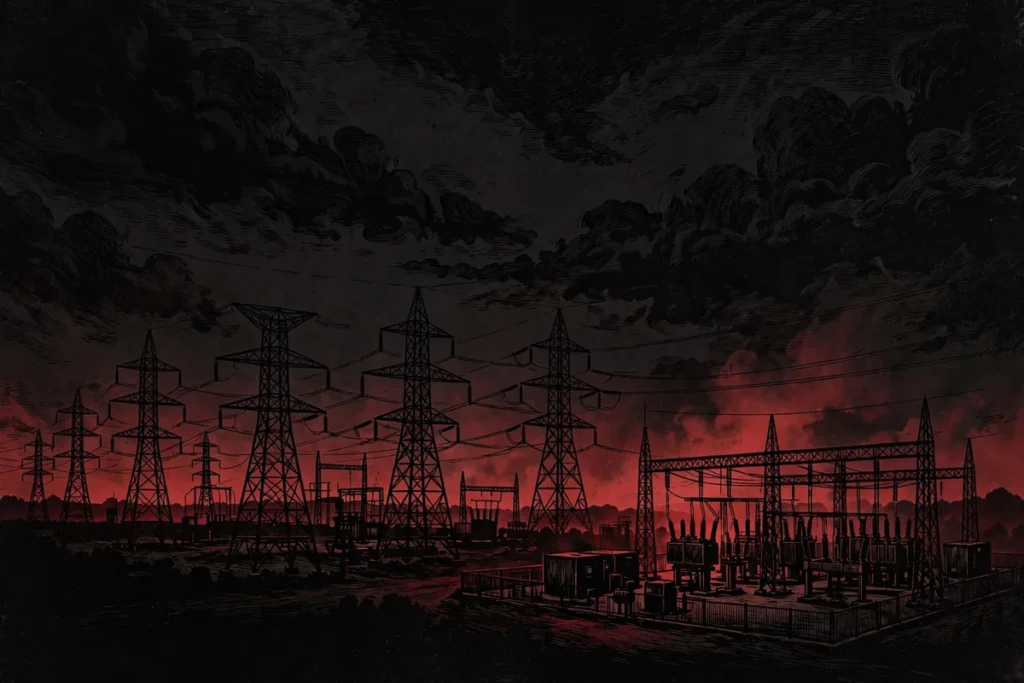
The timing is not accidental. The Black Sea has become one of the war’s most dangerous fronts for civilian shipping: on October 6, drones hit two merchant vessels off Bulgaria’s coast, and a Russian strike on a cargo ship killed a crew member — a story covered in our Bulgaria ship drone attack explainer. Meanwhile Russia and Ukraine continue trading blows against each other’s energy infrastructure, as in this week’s massive October 7 strike on Ukraine’s energy sector. An energy-and-Black-Sea ceasefire would address precisely the two pressure points now escalating fastest.
How would an energy and Black Sea ceasefire work?
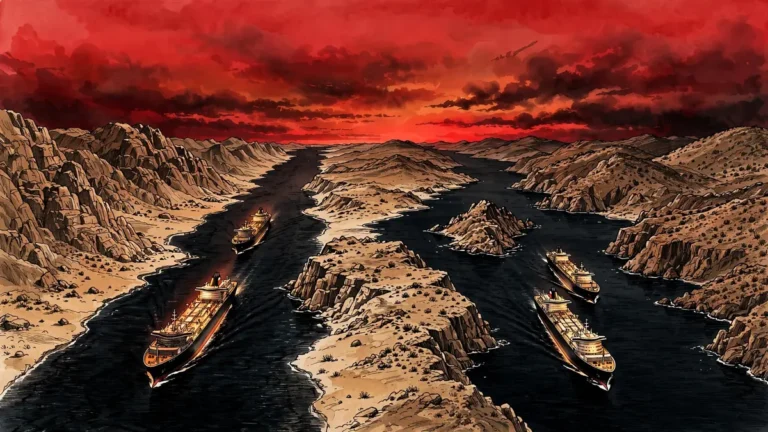
In practice, it would mean both sides agreeing to stop striking a defined list of civilian targets: power plants, substations and transmission lines; port terminals and grain storage; and commercial vessels in the Black Sea. The proposal stops well short of a full ceasefire along the front line — though Sybiha said Kyiv is also considering an unconditional ceasefire along the line of contact as a possible extension.
The verification problem is the hard part. Energy and shipping pauses are easier to monitor than front-line truces — a struck substation or a burning tanker is hard to hide — but the two sides would need to agree on scope, monitoring and what counts as a violation before any pause could hold. As one analysis of the proposals noted, the test is whether Ukraine, Russia or mediators publish overlapping terms on energy sites, ports and the Black Sea by mid-October.
There is also the question of leverage. Russia uses energy strikes to pressure Ukraine’s economy and morale; Ukraine uses long-range strikes on Russian refineries and ports for the same reason. Giving those up, even temporarily, costs both sides a weapon — which is why Kyiv wants the package deal rather than piecemeal truces.
What this means for US/UK/EU readers
A successful energy-and-Black-Sea ceasefire would be felt most directly in prices. Black Sea shipping disruptions feed into grain, fertiliser and energy costs worldwide — the same channels that drove the 2022 food-price crisis. A verified pause around Black Sea activity would reduce one source of geopolitical risk tied to shipping, fuel flows and war-risk insurance pricing.
For European readers, the energy dimension is personal: Ukraine’s grid faces another winter under bombardment, and every escalation in the energy war reverberates through European gas and electricity markets. For American readers, the story is about who shapes the peace — India stepping into a mediator role alongside the US proposal signals a multipolar diplomacy track in which Washington is one of several players, not the only one.
Travellers and insurers should watch the shipping angle: closed or contested Black Sea lanes have already pushed up war-risk premiums on vessels, and any credible shipping-safety agreement would ease that pressure.
What to watch next
Watch for three signals. First, whether India publishes or officially confirms the proposal’s terms — until then, the three-part structure remains press reporting. Second, the next round of India-Russia bilateral consultations, which will be scanned for signs that Moscow is engaging with the plan rather than merely praising Modi’s ideas. Third, the mid-October window: whether any overlapping language on energy sites, ports and the Black Sea emerges from Kyiv, Moscow or the mediators.
The proposals remain separate tracks, not a negotiated text — and neither side has signalled acceptance of enforceable terms. Follow the diplomatic and military tracks together in our conflict zones hub. But for the first time since the war began, both Kyiv and Moscow are publicly acknowledging India’s ideas. That, by itself, is new.
Frequently asked questions
What is India’s Ukraine ceasefire proposal?
It is a reported three-part framework proposing an end to attacks on energy facilities and critical infrastructure, continued grain and energy movement through Black Sea ports, and a halt to attacks on commercial ships. The full text has not been officially published.
Why does Ukraine say India’s proposal is the broadest?
Because it combines three elements the other proposals handle separately: the US plan focuses on energy attacks, while the Turkish and Egyptian plans focus on the Black Sea and grain shipments. Kyiv says it will only accept an energy-and-Black-Sea ceasefire as a combined package.
Has Russia accepted India’s proposal?
No. President Putin has publicly praised Prime Minister Modi’s “very good ideas” for a mutually acceptable settlement, but Moscow has not endorsed any specific ceasefire terms.
Would this end the war?
No — it is a limited, partial ceasefire covering energy infrastructure, ports and shipping, not the front line. Kyiv has separately said it would consider an unconditional ceasefire along the line of contact, but that is not part of the current proposals.
How does this affect food and fuel prices?
A verified pause in Black Sea and energy attacks could reduce shipping disruptions, war-risk insurance costs and pressure on grain and energy prices. But the proposals are not yet agreed, so markets are unlikely to price in relief until enforceable terms appear.
Sources
- The Hindu (via ScoopFeeds): Ukraine ready to consider India’s ceasefire proposal
- The Daily Jagran: India Puts Forward Peace Plan To End Russia-Ukraine War
- EuropeSays: India has ‘gone beyond advocacy’, held talks with both Russia and Ukraine
- Atlas360: India Offers Broad Ukraine Ceasefire Plan With Energy Truce
- NationPress: Jaishankar chairs India-Russia meet, backs dialogue to end Ukraine war
Discussion 0
Share analysis, corrections, or context. Be civil — comments are moderated.