
WarBrief Live | November 1, 2026 | Energy & Oil
December 2026 at a glance
Combined target: ~31 million barrels a day | Saudi target: 10.478 million bpd | Russian target: 9.949 million bpd | Next decision: November 29 ministerial meeting
OPEC+ will hold its oil production targets unchanged for December 2026, keeping the September 2026 required production levels for its seven core members. The decision, confirmed in an OPEC statement after an online meeting on Sunday, November 1, 2026, means no new barrels are added to — or removed from — the group’s official targets next month, even as the war between the United States and Iran continues to disrupt Gulf exports.
What investigators and officials have confirmed is narrow but clear: the targets are unchanged, the seven members recommitted to full conformity with the Declaration of Cooperation, and the harder decisions — 2027 quotas and the unwinding of a further layer of cuts — are deferred to the full ministerial meeting on November 29. What remains unverified is how much oil the group can physically deliver against those targets while shipping through the Strait of Hormuz stays disrupted: most Gulf members are still pumping well below the volumes their quotas allow, according to Reuters reporting carried by CNA.
Key Takeaways
- OPEC+ confirmed on November 1, 2026 that December production targets stay at September 2026 levels for its seven core members.
- The combined target is about 31 million barrels a day, led by Saudi Arabia (10.478 million bpd) and Russia (9.949 million bpd).
- The hold follows identical steady decisions for October and November, and completes a fourth quarter in which the group made no target changes.
- A further layer of cuts of about 2 million bpd covering most members runs through the end of 2026, with 2027 baselines to be set on November 29.
- For households, the decision removes one source of upward pressure on fuel and heating costs — but it does not by itself lower pump prices, which still depend on disrupted Gulf shipments and refining margins.
What did OPEC+ decide on November 1?
Seven core OPEC+ members — Saudi Arabia, Russia, Iraq, Kuwait, Algeria, Kazakhstan and Oman — met online on Sunday, November 1, 2026, and decided to “maintain September 2026 required production for December 2026” after reviewing global market conditions and the outlook, according to the group’s statement reported by The National. The producers reiterated their collective commitment to full conformity with the Declaration of Cooperation, the framework that governs the wider OPEC+ alliance, and said they would continue holding monthly meetings to review market conditions.
The meeting began at 1200 GMT, one source told Reuters before it opened, and the outcome matched expectations set the day before: three people familiar with the talks had told Reuters on Saturday that the seven members had agreed in principle to keep December targets unchanged, in line with expectations that further policy adjustments would not occur until next year. The formal statement converted that in-principle agreement into a confirmed decision. Only the seven members — plus the United Arab Emirates until it quit OPEC in May — have been involved in the monthly output decisions in recent years, although all 21 members of the wider group are due to meet on November 29.
The timing matters. The decision landed while Brent crude traded above $117 a barrel, according to The National, with the US-Iran war — under way since February 28, 2026 — still disrupting energy supplies from the Gulf. In that context, a decision to hold targets steady is itself a signal: the group is choosing predictability over intervention while it waits for clearer information about both supply disruption and demand.
Which seven producers set the targets — and what are their December quotas?
The December targets are not a single OPEC+ number. They are the sum of seven national quotas, and the gap between the largest and smallest shows how concentrated the group’s decision-making is: Saudi Arabia and Russia together account for roughly two-thirds of the combined target, while Oman, the smallest of the seven, holds less than one-thirtieth.
| Metric | Figure | Source |
|---|---|---|
| Combined December target, seven members (CONFIRMED) | About 31 million barrels a day | OPEC statement via The National; Reuters-derived tally 30.9 million bpd |
| Saudi Arabia target (CONFIRMED) | 10.478 million bpd | OPEC statement via The National |
| Russia target (CONFIRMED) | 9.949 million bpd | OPEC statement via The National |
| Iraq target (CONFIRMED) | 4.431 million bpd | OPEC statement via The National |
| Kuwait target (CONFIRMED) | 2.676 million bpd | OPEC statement via The National |
| Kazakhstan target (CONFIRMED) | 1.628 million bpd | OPEC statement via The National |
| Algeria target (CONFIRMED) | 1.007 million bpd | OPEC statement via The National |
| Oman target (CONFIRMED) | 0.841 million bpd | OPEC statement via The National |
| Voluntary cut rollback completed September 2026 (CONFIRMED) | 1.65 million bpd | Reuters |
| Further cuts running through end-2026 (CONFIRMED) | About 2 million bpd | Reuters |
| Brent crude at decision time (CONFIRMED) | Above $117 a barrel | The National |
| Saudi output, September 2026 (REPORTED) | 8.3 million bpd | International Energy Agency, via secondary reporting |
Caveat: figures marked CONFIRMED appear in the OPEC statement or in two or more reputable outlets; the Saudi September output figure is REPORTED from a single secondary source citing the International Energy Agency and should be treated as indicative, not official.
Why hold steady when Gulf exports are still disrupted?
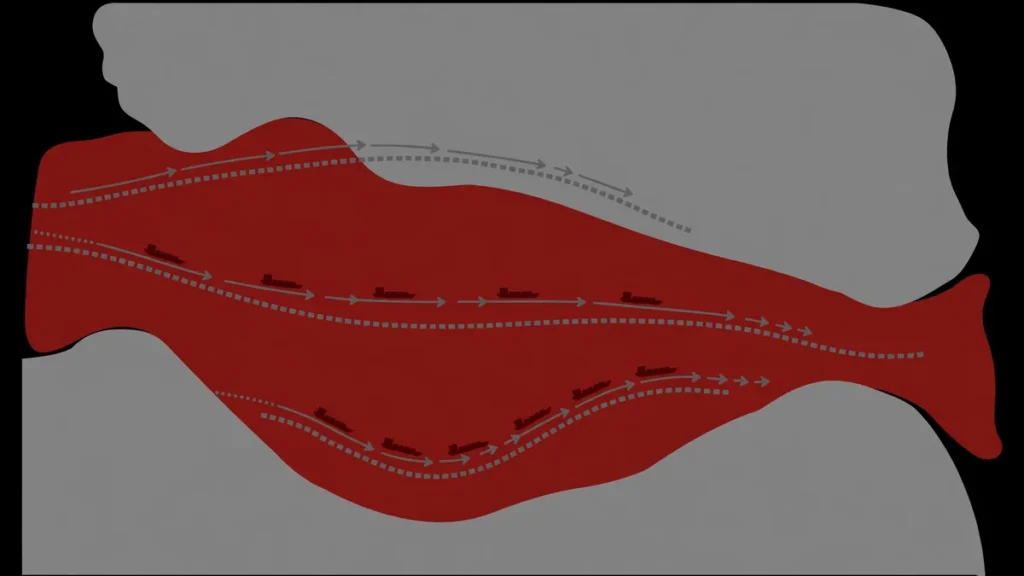
The paradox of the December decision is that the targets barely describe reality. Gulf members have been boosting exports that were disrupted for months by the conflict, Reuters reported, but most are still pumping well below their targets. Saudi Arabia, for example, pumped 8.3 million barrels a day in September according to International Energy Agency data cited in secondary reporting — more than two million barrels a day below its 10.478 million bpd target. The shortfall is a shipping and security problem, not a quota problem: restrictions on transit through the Strait of Hormuz have constrained Gulf exports since the conflict began, and Hormuz shipping under pressure has pushed up the war-risk insurance surcharge on every Hormuz transit.
Holding the targets unchanged therefore does two things at once. First, it avoids a signal the market could read as either panic (a cut) or complacency (a hike) while physical flows are still constrained by war. Second, it preserves the group’s negotiating position for November 29: any change to December targets would have prejudged the capacity review that determines 2027 baselines. Reuters reported as early as July that OPEC+ was likely to make no changes to its targets during the fourth quarter as it turned its focus to those 2027 negotiations, and the October, November and now December decisions have followed that script exactly.
There is also a demand-side logic. The group has been raising output targets for much of 2026 and completed the phased rollback of a 1.65 million-barrel-per-day supply cut first agreed in 2023 in September. With that rollback done, the remaining layer of cuts — about 2 million bpd covering most members through the end of 2026 — is the last scheduled restraint. Unwinding it without agreed 2027 baselines would invite a quota fight among members whose production capacity has changed during the war; holding steady defers that fight to the ministerial table.
What happens on November 29 — and why do 2027 baselines matter?
The full ministerial meeting on November 29 is where the real negotiation happens. All 21 members of the wider OPEC+ group are due to attend, and analysts expect it to decide the 2027 production framework. Before that can happen, the group must complete a review of members’ production capacity during the fourth quarter: those capacity assessments become the baselines, and the baselines determine each country’s quota — and therefore its share of any future decision to unwind the remaining cuts.
Baselines are politically charged because capacity has not stood still. War damage, sanctions, investment droughts and, for Gulf producers, months of disrupted exports all feed into what a country can credibly claim it can pump. A member that secures a higher baseline gains quota headroom for years; one assessed lower loses it. That is why the December hold matters beyond December: it keeps the current framework intact until the baseline fight is settled, rather than letting a monthly tweak become a precedent.
The statement’s silence is also informative. It announced no additional production adjustments and gave no timetable for increasing output, The National noted. For traders, that absence of guidance is itself guidance: do not expect a supply response from OPEC+ before the ministerial meeting, whatever happens to prices or shipments in the meantime.
What the December hold means for US/UK/EU readers
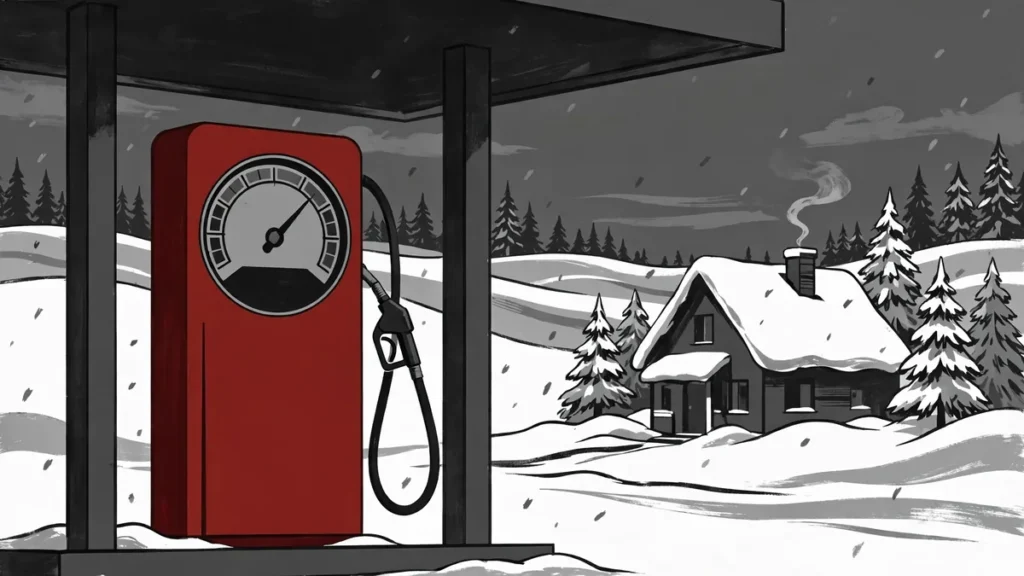
For households in the United States, Britain and the European Union, the decision is best read as “no new shock” rather than “relief”. Holding targets steady removes the risk of an OPEC+-driven price spike in December, which matters heading into winter, when heating demand peaks and household budgets are tightest. But it does not cut prices: Brent above $117 a barrel already feeds through to petrol, diesel and heating oil, and the physical constraint — Gulf barrels that cannot easily reach market — is untouched by a quota decision.
Two transmission channels matter most. The first is diesel: the fuel that moves trucks, farms and heating systems has been the tightest part of the barrel all autumn, and WarBrief’s earlier reporting on diesel at record highs explains why refinery and shipping constraints, not just crude quotas, set the price at the pump. The second is the consumer-side response already under way in Europe: the European plan to release 42.6 million barrels of oil by January 2027 is designed to cushion exactly the winter tightness that the OPEC+ hold leaves in place. Readers should watch the interaction between the two: producer restraint plus consumer stock releases, rather than either policy alone, will shape winter fuel bills.
Travelers and businesses should also note the shipping angle. As long as Gulf transit carries a war-risk premium, freight and air-travel fuel surcharges stay elevated even if crude itself stabilises. The December hold does nothing to change that premium; only a durable easing of the Hormuz disruption — or a ceasefire that outlasts the current local truces — would. For the latest on the region’s flashpoints, see WarBrief’s conflict zones hub.
What to watch next in oil markets
Four markers will tell readers whether the December hold sticks or unravels. First, the November 29 ministerial meeting and its 2027 framework: any failure to agree baselines would be a bigger market event than the December decision itself. Second, Gulf export volumes: if shipments recover toward target levels, the gap between quotas and reality narrows and the targets start to bind again. Third, Hormuz transit conditions, including whether shipping insurers adjust war-risk pricing. Fourth, consumer-side stock releases, including the pace of Europe’s planned release into January 2027.
One further caution: the December targets are required production levels, not forecasts of actual output. If the war escalates or shipping deteriorates further, actual production could fall further below target without any new OPEC+ decision at all — and if a ceasefire unexpectedly eases transit, output could rise toward target just as quickly. The quota is the ceiling the group has agreed; the war decides how close reality gets to it.
Frequently asked questions
What are OPEC+ December 2026 oil targets?
They are the required production levels for the group’s seven core members in December 2026, held unchanged from September 2026: about 31 million barrels a day combined, led by Saudi Arabia at 10.478 million bpd and Russia at 9.949 million bpd.
Why did OPEC+ hold December targets steady?
The group said it reviewed global market conditions and the outlook and chose stability while Gulf exports remain disrupted by the US-Iran war. Reuters reporting ahead of the meeting indicated the group expected no further policy adjustments until next year, with the focus shifting to 2027 quota negotiations.
What is the November 29 OPEC+ meeting about?
It is the full ministerial meeting of all 21 OPEC+ members, expected to decide the 2027 production framework after a fourth-quarter review of members’ production capacity, which sets the baselines for future quotas.
Does the December hold lower petrol and diesel prices?
Not directly. It removes the risk of an OPEC+-driven price rise, but pump prices also depend on disrupted Gulf shipments, war-risk shipping costs and refining margins. Consumer-side measures such as Europe’s planned stock release are the nearer-term cushion for winter fuel bills.
What is the difference between OPEC+ targets and actual production?
Targets are the agreed required production levels; actual production is what members physically pump and ship. Most Gulf members are currently pumping well below their targets because war-related shipping disruption constrains exports, so the targets overstate near-term supply.
Sources
- CNA (Reuters): OPEC+ keeps December oil output targets steady ahead of tougher call for 2027
- The National: Opec+ holds December oil output targets steady as Iran war disrupts supply
- Reuters: OPEC+ set to keep oil output targets steady, sources say
Educational note: this article explains oil-market policy for general readers. It is not financial advice and does not recommend buying or selling any security or commodity.

Discussion 0
Share analysis, corrections, or context. Be civil — comments are moderated.