WarBrief Live | October 4, 2026 | Event Preview
On Wednesday, October 14, senior military leaders, government officials and energy executives will gather at the Atlantic Council’s headquarters in Washington, DC for the 2026 Energy & Defense Summit, a half-day convening hosted by the Council’s Global Energy Center Energy & Defense Program. The summit arrives at one of the most strained moments in years for the energy-security nexus: the Iran war is choking Gulf oil flows through the Strait of Hormuz, the G7 has just launched an emergency release of 100 million barrels of diesel and crude, and suspected state-backed hackers are probing American water and energy infrastructure.
Key Takeaways
- The Atlantic Council’s 2026 Energy & Defense Summit meets on October 14, 12:00–5:00 p.m. ET in Washington, DC, convening senior military, government, policy and industry leaders.
- The agenda centers on four themes: the energy demands of future warfighting systems, defense industrialization, NATO defense and resilience spending, and the resilience of critical infrastructure on military installations.
- It lands amid the Iran-war energy shock — a Hormuz blockade that has shut in Gulf output, record diesel prices, an emergency G7 reserve release, and widening cyberattacks on energy grids.
- For US, UK and EU readers, the summit’s readouts are worth watching for signals on winter fuel costs, grid resilience spending, and how quickly allied defense industry can be powered up.
What is the Atlantic Council 2026 Energy & Defense Summit?
The 2026 Energy & Defense Summit is a half-day event hosted by the Global Energy Center’s Energy & Defense Program, according to the Atlantic Council’s official event page. It runs on Wednesday, October 14, 2026, from 12:00 p.m. to 5:00 p.m. ET at the Atlantic Council Headquarters, 1400 L Street NW, Floor 11, Washington, DC. The Council describes the gathering in one line:
Senior leaders from government and industry meet at the intersection of energy, national security, and defense. — Atlantic Council, 2026 Energy & Defense Summit event page
In-person attendance requires advance registration, with photo ID on arrival and no on-site registration permitted — a sign of how seriously Washington’s policy circuit is treating energy security gatherings this autumn. No full speaker list has been published yet, which is typical for Atlantic Council summits at this stage; last year’s edition drew Pentagon officials, industry executives and retired flag officers.
Why is the 2026 summit happening now?
The summit’s timing is no accident. Four overlapping crises have made energy the decisive terrain of current conflicts, and each maps directly onto the summit’s agenda:
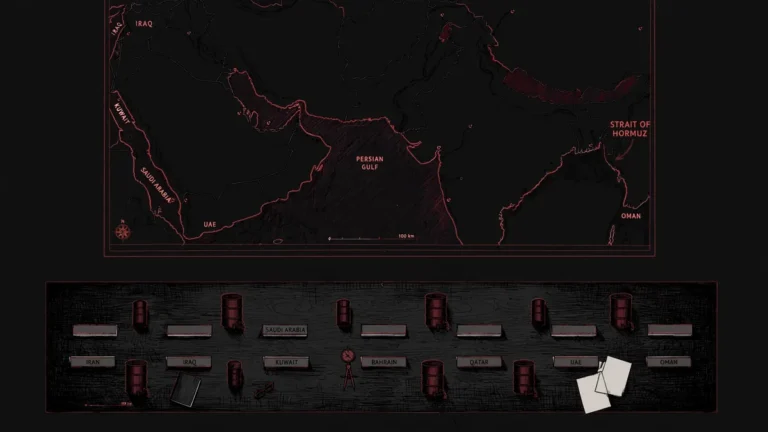
The Hormuz energy shock. The Iran war has turned the Strait of Hormuz into a contested chokepoint, with Gulf oil output shut in far below pre-war levels — the International Energy Agency puts the figure at roughly 8.3 million barrels per day, according to reporting cited in WarBrief’s analysis of OPEC+’s October 4 meeting, where the alliance was expected to hold November quotas steady because real supply, not paper quotas, is the binding constraint. Brent crude closed on Friday at $102.25 a barrel.
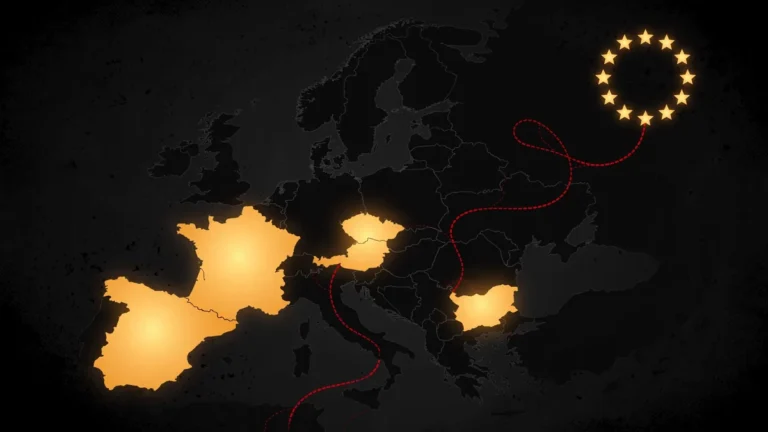
The diesel emergency. On October 2, G7 leaders held an emergency videoconference chaired by France and agreed to release 100 million barrels of diesel and crude from reserves over four months, frontloading diesel in the first 20 days, as Le Monde reported. Members also pledged no energy export restrictions, defusing weeks of US threats of a diesel export ban. WarBrief’s full breakdown of the G7 release explains what it means for fuel bills heading into winter.
The grid as a battlefield. Suspected Iranian-affiliated hackers have widened a campaign against American water and energy infrastructure, with New Jersey water utilities hit in early October and over 100 water systems targeted in a single month, per US agencies — the full WarBrief report on the campaign details the FBI and EPA’s joint warnings. The Atlantic Council’s own UkraineAlert analysis recently argued that Ukraine’s wartime energy-defense measures — defend what can be intercepted, harden what cannot be moved, decentralize the rest — now form a blueprint the Gulf states are already drawing on, and that the US and Europe should follow. That is precisely the “critical infrastructure resilience on military installations” theme on the summit agenda.
Escalation on two fronts. On October 4, Yemen’s Saudi-backed government announced a major offensive against the Houthis, while Russia continued its strikes on Ukrainian energy and transport infrastructure, including Dnipro bridges and Black Sea grain shipping. The US military footprint in the Middle East, meanwhile, now includes a third carrier strike group — explained here: what carrier strike groups are and what three of them can actually do. Every one of these operations runs on fuel, and fuel is getting scarcer and more expensive.
By the numbers: the energy shock the summit must answer
| Metric | Figure | Source |
|---|---|---|
| G7 emergency release of diesel and crude | 100 million barrels over 4 months (CONFIRMED) | Le Monde; Reuters (Oct 2–3) |
| 2026 Energy & Defense Summit date and venue | October 14, 12:00–5:00 p.m. ET, Washington, DC (CONFIRMED) | Atlantic Council event page |
| Mecca defence pact committee meeting | October 5, Riyadh (CONFIRMED) | Reuters (Oct 4) |
| World food prices | Highest in nearly 4 years (September) (CONFIRMED) | UN FAO (via Reuters) |
| Brent crude, Friday close | $102.25 per barrel (REPORTED) | Weekend market roundup |
| Gulf oil output shut in by Hormuz blockade | ≈8.3 million bpd vs pre-war (REPORTED) | IEA, cited in WarBrief analysis |
Caveat: figures marked CONFIRMED appear in two or more independent sources; REPORTED figures come from a single source and should be treated as provisional.
What will the summit cover?
The official summit page lists four agenda themes. Each carries real policy weight this year:
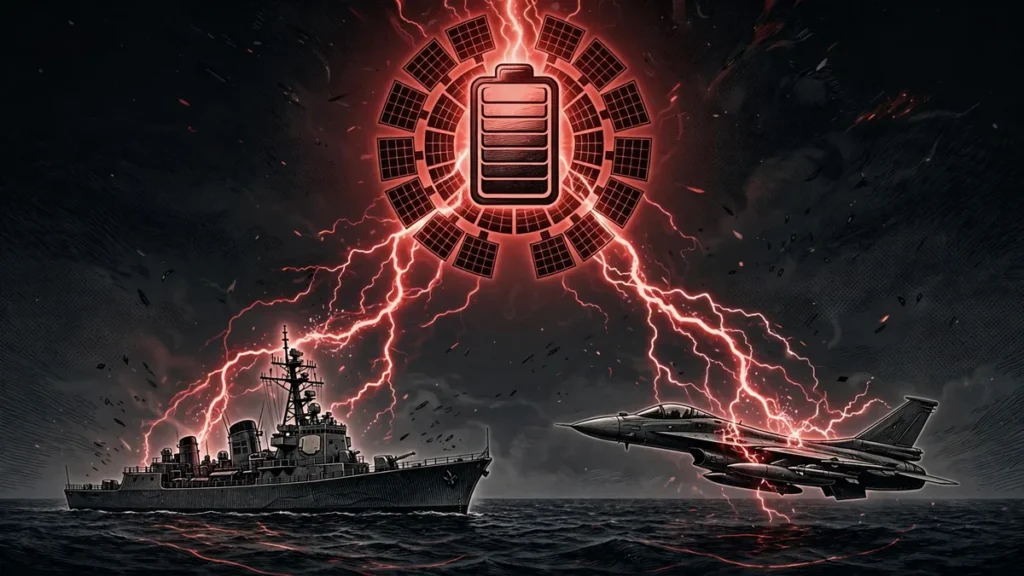
1. Meeting the future energy demand of warfighting systems. Modern militaries are electrifying fast — drones, directed-energy weapons, AI-enabled command networks and the data centers behind them all consume enormous power. The Pentagon has described energy as the pacing constraint on future operations, and the summit will examine what it takes to generate and deliver that power in contested environments.
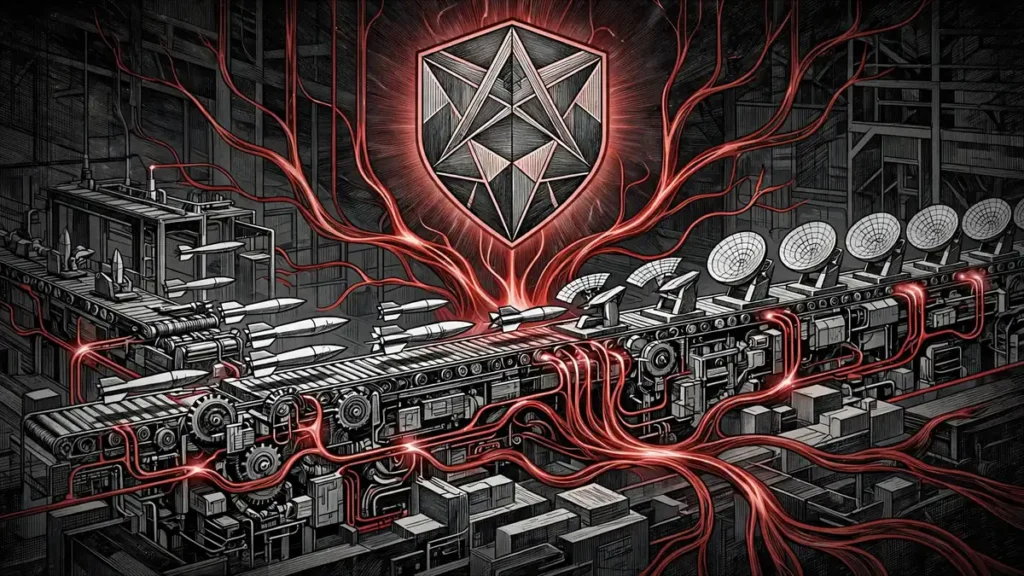
2. Powering a new era of defense industrialization. Surging weapons production — artillery shells, air defenses, missiles — requires industrial-scale electricity. With Western arsenals drawn down by Ukraine and the Iran war, rebuilding the defense industrial base is as much an energy project as a manufacturing one.
3. Investment strategies for NATO members to meet defense and resilience spending targets. NATO’s resilience commitments push allies to harden the civilian and military infrastructure that underpins collective defense. The summit will explore how investment can close the gap between spending pledges and actual hardened capacity.
4. Securing the resilience of critical infrastructure on military installations. After the suspected Iranian-linked probing of US water and energy systems and Russia’s campaign against Ukrainian power grids, base-level resilience — microgrids, on-site generation, fuel reserves — has moved from a facilities issue to a warfighting one.
The 2025 edition set the template: panels on deploying nuclear energy to strengthen defense, a fireside chat on redefining deterrence through military power and energy security with former US Strategic Command chief Admiral James O. Ellis Jr., and a session on chokepoints, energy markets and the contest for access — a theme that has only grown more urgent with Hormuz effectively blockaded.
Who runs the summit? Inside the Atlantic Council’s Energy & Defense Program
The Atlantic Council is a nonpartisan, nonprofit research institution headquartered in Washington, DC, best known for convening serving and former military leaders, heads of state and industry executives. Its Energy & Defense Program sits within the Global Energy Center and, in the Council’s own words, “advances energy security as a cornerstone of defense,” aiming “to strengthen military capabilities, safeguard critical infrastructure, and enhance operational readiness amid evolving global threats.” The program works through research, convenings and policy engagement with military leaders, policymakers and energy experts.
What this means for US, UK and EU readers
This summit is not just a Washington talking shop — its agenda tracks directly onto household and business costs across the Atlantic:
- Winter fuel bills: the G7’s 100-million-barrel release is designed to cap diesel and heating-oil prices through winter. Whether it works depends on Hormuz staying partially open and OPEC+ restraint — both topics the summit’s chokepoint discussions will shape.
- Energy resilience spending: NATO resilience targets translate into public money for grid hardening, microgrids and strategic reserves. Summit readouts often preview where allied defense budgets will flow next.
- Travel and shipping: with Red Sea and Hormuz routes disrupted and airspace advisories multiplying, expect continued pressure on freight rates and some long-haul fares — the UN’s food agency already warns that logistics disruptions are pushing world food prices to four-year highs.
- Security posture: the infrastructure-resilience theme signals that Western governments now treat domestic grids as part of the battlespace. Utility and infrastructure investors should watch for new procurement frameworks emerging from these discussions.
What to watch next
The summit itself is ten days out, but the run-up is packed with related events. On October 5, a committee of the new Mecca defence pact — Turkey, Saudi Arabia and Pakistan — meets in Riyadh to discuss the Yemen offensive and the alliance’s institutionalization, Reuters reports, with Turkish foreign and defense ministers attending. OPEC+’s end-of-October capacity-baseline audit will set the terms for 2027 quotas. And the G7’s frontloaded diesel release over the next 20 days will be the first real-world test of whether coordinated reserves can beat a wartime supply shock. Watch the Atlantic Council’s Global Energy Center for the summit’s speaker announcements — Pentagon and industry names will signal which of the four agenda themes carries the most political weight this year. WarBrief’s Intel desk and Sanctions monitor will track each of these as they develop.
Frequently asked questions
What is the Atlantic Council Energy & Defense Summit?
It is an annual half-day conference hosted by the Atlantic Council’s Global Energy Center Energy & Defense Program, bringing together senior leaders from the military, government, policy and industry to discuss the intersection of energy, national security and defense.
When and where is the 2026 Energy & Defense Summit?
Wednesday, October 14, 2026, from 12:00 p.m. to 5:00 p.m. ET, at the Atlantic Council Headquarters, 1400 L Street NW, Floor 11, Washington, DC. In-person attendance requires advance registration and photo ID.
Why does warfighting need so much energy?
Modern military power is energy-intensive: electrified weapons, drones, radar networks, data centers and AI systems all demand large, reliable power supplies, while fuel logistics remain the backbone of naval and air operations. Securing that energy in contested environments is now a core defense-planning problem.
What is NATO resilience spending?
It refers to allied investment in the civilian and military infrastructure — power grids, ports, fuel reserves, communications — that collective defense depends on. NATO’s resilience commitments require members to harden these systems against disruption, and the summit will discuss investment strategies to meet those targets.
How does the summit relate to the Iran war and fuel prices?
The Iran war’s blockade of the Strait of Hormuz has shut in Gulf oil output and driven diesel to record prices, triggering an emergency G7 reserve release on October 2. The summit’s agenda — warfighting energy demand, chokepoints, industrialization — is a direct response to that shock, and its conclusions could shape allied energy and defense policy through the winter.
Sources
- Atlantic Council: 2026 Energy & Defense Summit (event page)
- Atlantic Council: Energy & Defense Program
- Le Monde: G7 releases 100 million barrels of oil under pressure from Donald Trump
- Reuters: Turkey says Mecca pact committee to meet in Riyadh on October 5