
WarBrief Live | November 7, 2026 | Breaking Analysis
279–119
Ratification vote in Turkiye’s parliament
398
Lawmakers took part in the vote
16
Articles in the Mecca Joint Defence Agreement
10 years
No member may withdraw in the pact’s first decade
Turkiye’s parliament ratified the Mecca defence pact with Pakistan and Saudi Arabia by 279 votes to 119 — but the vote has left President Recep Tayyip Erdogan facing a backlash over one question: could the pact drag Turkish troops into a future India-Pakistan war? The opposition’s warnings dominated two days of debate in Ankara, and the argument is not over yet.
The short answer is that the pact does not name India, and it does not automatically require Turkiye to fight anyone. But the way the agreement is written — an attack on one member counts as an attack on all three — has left MPs, diplomats and analysts arguing over what Ankara has actually signed up to. Here is what happened, what the pact says, and what it does not say.
Key Takeaways
- Turkiye’s parliament ratified the 16-article Mecca Joint Defence Agreement on November 5, 2026, by 279 votes to 119.
- The pact treats an attack on one member as an attack on all three — but it does not name India and does not automatically require Turkiye to fight.
- Opposition MPs warned Turkish soldiers could be drawn into an India-Pakistan war or into Yemen; the government says troop deployments still need parliament’s approval.
- The pact binds members for 10 years, and India says it is examining the implications for its national security.
What happened in Turkiye’s parliament on November 5?
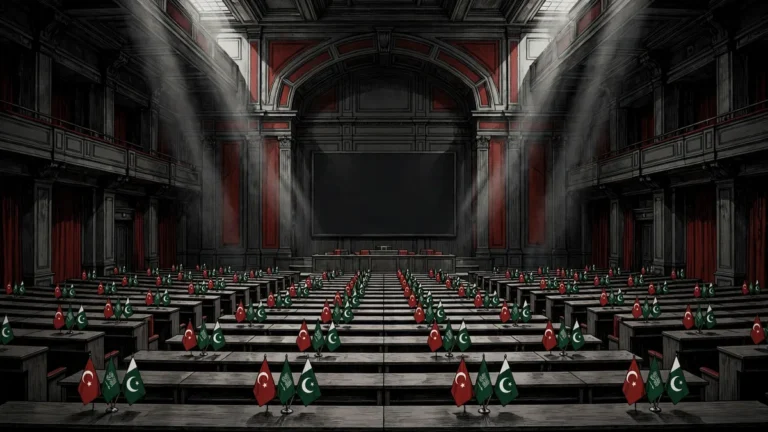
Turkiye’s Grand National Assembly approved the ratification bill for the Mecca Joint Defence Agreement on Thursday, November 5, 2026, by 279 votes to 119, with 398 lawmakers taking part in the vote, according to the Associated Press and Al Jazeera. The vote completed Turkiye’s parliamentary ratification process; Saudi Arabia and Pakistan had already finished their own domestic procedures.
The debate was long and heated. Lawmakers adopted the bill’s first article on Wednesday, then Deputy Parliament Speaker Celal Adan adjourned the session until Thursday afternoon, Al Jazeera reported, citing the Anadolu news agency. When the final vote came, President Erdogan’s ruling Justice and Development Party (AKP) and its ally the Nationalist Movement Party (MHP) backed the measure — joined by the main opposition Republican People’s Party (CHP). The New Party, the IYI (Good) Party, the pro-Kurdish Peoples’ Equality and Democracy Party (DEM Party) and other opposition lawmakers voted against it, Turkish Minute reported. The process had begun earlier in the week, when parliament started debating the bill.
The split inside the opposition mattered. The CHP supported ratification while calling for safeguards, but the New Party — itself a recent split from the CHP — led the attack on the agreement. Its leader, Ozgur Ozel, accused the government of risking Turkish lives in other countries’ wars.
What is the Mecca Joint Defence Agreement?
The 16-article agreement was signed in Mecca on August 7, 2026, by Erdogan, Saudi Crown Prince Mohammed bin Salman and Pakistani Prime Minister Shehbaz Sharif. Its central provision, Article 1, states that an armed attack on any one of the three countries will be treated as an attack on all three, with the others required to provide assistance — which can include military support, although its nature and scope are to be decided through consultations, Turkish Minute reported. The same collective-defence principle appears in other mutual defence pacts, but the Mecca text leaves the form of assistance open.
Beyond collective defence, the pact provides for intelligence sharing, joint military exercises and training, logistical support, counterterrorism cooperation and closer defence-industry ties, including technology transfers, joint research and development and joint production.
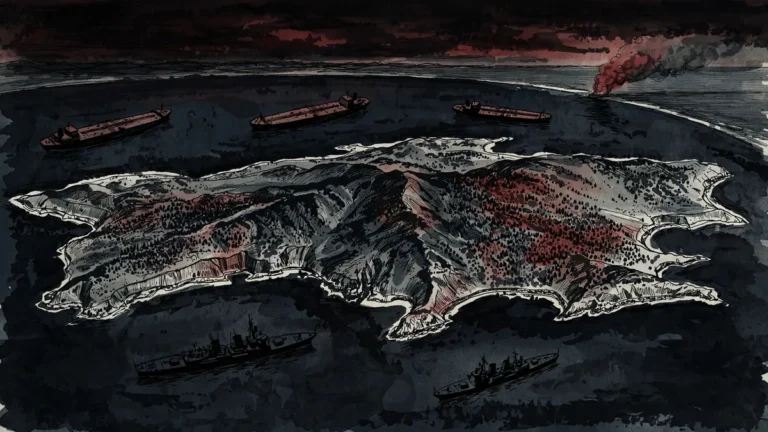
The agreement is already taking institutional shape. The three countries held the first meeting of the Strategic Political and Defense Committee — a body created by the pact, bringing together the three foreign and defence ministers and military chiefs — in Istanbul on August 31. At an emergency meeting in Riyadh on October 5, they agreed to arrange the rapid deployment of military forces and capabilities to Saudi Arabia, subject to their national laws, as Houthi missile and drone attacks on the kingdom intensified. Turkiye has said its assistance to Saudi Arabia so far has been mainly technical and defensive, including equipment, weapons systems and intelligence sharing.
The pact also states that it does not affect the rights and obligations arising from the countries’ existing international agreements — a provision directly relevant to Turkiye’s NATO membership, which it has held since 1952. The agreement will enter into force once the final ratification documents are deposited with the pact’s secretariat.
Why are opposition MPs warning about India and Yemen?
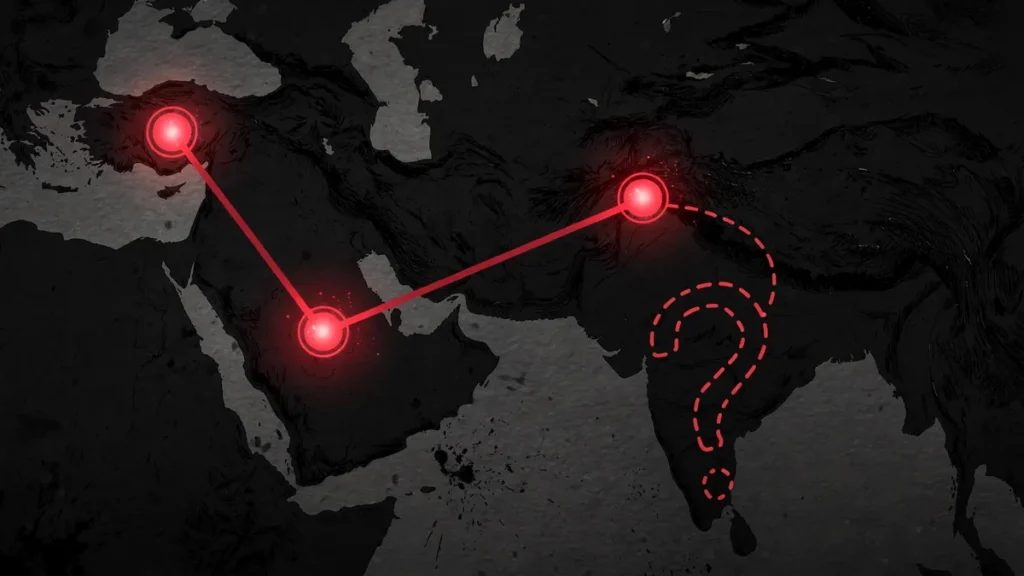
The sharpest exchanges in parliament concerned two scenarios: a future war between India and Pakistan, and the war in Yemen. Gulistan Kilic Kocayigit, the DEM Party’s deputy parliamentary group leader and MP for Kars, put the India question directly to the government, according to the official parliamentary record cited by IDRW: “Article one says that an armed attack upon one party shall be considered an armed attack against all parties. India and Pakistan are constantly fighting, and both possess nuclear weapons. If India attacks Pakistan tomorrow, will that be considered an attack against us as well? Will we enter a war on Pakistan’s side?”
Kocayigit also warned against Turkish involvement in Yemen, saying she did not accept “that anyone will die in Yemen for the interests of Saudi Arabia,” and questioned who would decide Turkiye’s response if Pakistan sought assistance. “If we are going to enter, how do you decide on this?” she asked. “The parliament did not decide on this, the people did not decide on this.”
IYI Party MP Lutfu Turkkan warned the pact could affect Turkiye’s national security, foreign policy and military responsibilities, and questioned why Ankara should enter a long-term commitment when geopolitics could change over the next decade. His party’s leader, Musavat Dervisoglu, put it more bluntly: “We say ‘No’ to turning Turkish soldiers into Aramco’s legionnaires; we say ‘No’ to the Mecca Agreement,” referring to Saudi Arabia’s state oil company.
Ozel, the New Party leader, accused the government of preparing to send Turkish soldiers to Yemen. “The New Party will never remain silent about or support Turkey being made a party to the war and Turkish soldiers being sent to the deserts of Yemen,” he said.
Critics also raised structural objections: the pact defines no common threat, the three countries differ over which organisations they designate as terrorist groups, and Turkiye’s obligations under the pact could clash with its NATO commitments. The CHP, while backing ratification, pressed for safeguards — its parliamentary group chairman, Faik Oztrak, said regional security cooperation should not justify open-ended military operations and stressed that parliament’s authority over deployments abroad must be preserved.
By the numbers: the Mecca pact vote
| Metric | Figure | Source |
|---|---|---|
| Ratification vote | 279 in favour, 119 against (CONFIRMED) | Associated Press; Al Jazeera |
| Lawmakers taking part | 398 (CONFIRMED) | Al Jazeera; Turkish Minute |
| Articles in the pact | 16 (CONFIRMED) | Associated Press; Reuters |
| Pact signed | August 7, 2026, Mecca (CONFIRMED) | Associated Press |
| No-exit period | 10 years from entry into force (CONFIRMED) | Associated Press; Al Jazeera |
| Notice to withdraw after 10 years | 3 months (CONFIRMED) | Associated Press |
All figures above are confirmed by at least two sources. Claims about future deployments remain government statements and opposition warnings, not settled facts.
What does the pact actually require — and what it does not?
The government’s answer to the opposition is that ratification changes less than the warnings suggest. Fuat Oktay, chairman of parliament’s Foreign Affairs Committee and an AKP lawmaker, said Turkiye would “not be drawn into an uncontrolled process against its will,” and that any deployment of Turkish troops for combat abroad would still require parliamentary authorisation under Article 92 of the constitution, the Associated Press reported.
That distinction matters. Ratification establishes the framework for cooperation; it does not by itself specify what action the three governments would take in a future crisis, and it does not authorise the Turkish government to send troops whenever another signatory enters a conflict. The nature and scope of any assistance are to be decided through consultations between the members.
On Yemen specifically, Foreign Minister Hakan Fidan has ruled out sending Turkish troops to conduct offensive operations, while Turkish officials have said Ankara’s possible contribution could include additional air defence equipment and other defensive capabilities. The pact does not name India as an adversary, and there is no public evidence that Turkiye plans to attack India.
India, for its part, has been watching the pact since it was signed. When the agreement was concluded in August, India’s Ministry of External Affairs said it was examining the implications for national security and regional peace and stability. New Delhi has not issued a formal response to the ratification.

What the Mecca pact backlash means for US, UK and EU readers
For readers in the US, UK and the EU, the row matters for three reasons. First, Turkiye is a NATO ally with the alliance’s second-largest military, and it has now taken on a second collective-defence commitment outside NATO. That raises practical questions — about command structures, about what happens if the two commitments ever point in different directions, and about how Washington, London and Brussels engage with Ankara on Middle East security.
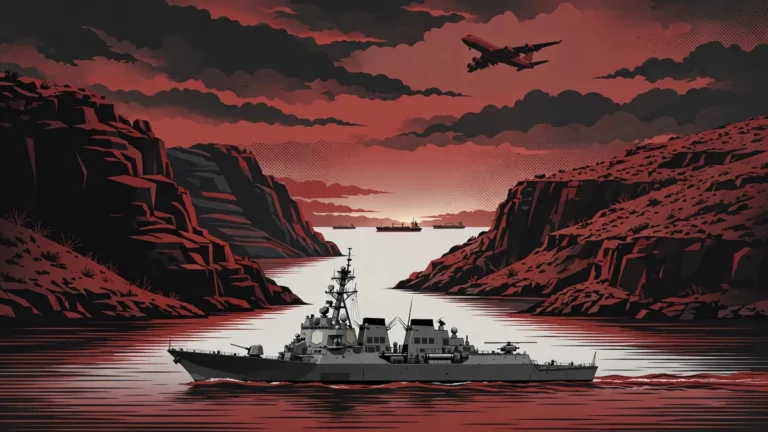
Second, the pact sits inside a live war. The US and Israel remain at war with Iran, Saudi Arabia is under Houthi attack, and Turkiye’s own parliament has just argued in public about whether its soldiers could end up fighting in Yemen or alongside Pakistan. Any step that ties Ankara more closely to Riyadh’s defence has consequences for oil markets, shipping through the Strait of Hormuz and the wider regional balance — all of which feed directly into fuel prices and inflation in Europe and the United States.
Third, the India dimension adds a nuclear-armed rivalry to the picture. India and Pakistan both hold nuclear weapons, and their rivalry has produced repeated crises and wars. A defence pact that obliges Turkiye to treat an attack on Pakistan as an attack on itself is, at minimum, a new factor in how New Delhi calculates risk — and in how Western governments manage two relationships, with Ankara and with New Delhi, that both matter.
What to watch next in the Mecca pact debate
The agreement enters into force once the final ratification documents are deposited with the pact’s secretariat — the next formal step to watch. After that, the test will be practical: whether Turkiye sends additional air defence equipment to Saudi Arabia, when the Strategic Political and Defense Committee next meets, and whether the opposition pushes for a parliamentary motion setting out the Article 92 safeguards it demanded.
India’s formal response to the ratification is also pending, and any statement from New Delhi — or from NATO capitals — will show how far the backlash travels beyond Ankara. WarBrief tracks the pact and the wider regional picture on our conflict zones hub. The debate in Turkiye’s parliament is over, but the argument about what the pact means has only just begun.
Frequently asked questions
Does the Mecca pact require Turkiye to fight India?
No. The pact does not name India, and it does not automatically require Turkiye to enter any war. Any assistance is decided through consultations between the members, and sending Turkish troops abroad for combat still requires a separate vote in parliament under Article 92 of the constitution.
What is the Mecca Joint Defence Agreement?
A 16-article defence pact signed in Mecca on August 7, 2026, by Turkiye, Saudi Arabia and Pakistan. Its core clause treats an armed attack on one member as an attack on all three. It also covers intelligence sharing, joint exercises, logistics, counterterrorism and defence-industry cooperation.
Can Turkiye leave the Mecca pact?
Not during its first 10 years. After that period, a member may withdraw by giving three months’ notice, according to the Associated Press.
Why did opposition MPs oppose ratification?
They warned the collective-defence clause could draw Turkish soldiers into an India-Pakistan war or into Yemen, questioned the lack of a defined common threat, and raised possible clashes with Turkiye’s NATO obligations. The CHP backed ratification but demanded safeguards over parliamentary control of deployments.
Does the pact affect Turkiye’s NATO membership?
The pact states that it does not affect the parties’ existing international agreements, which includes Turkiye’s NATO commitments. Critics argue the overlap still needs clarifying, and the government says the pact is defensive in purpose.
Read next: Turkiye Ratifies Mecca Defence Pact: What the 279-119 Vote Changes · How Mutual Defence Pacts Work: The ‘Attack on One’ Clause Explained
Sources
- Turkish Minute: Turkish Parliament approves Saudi-Pakistan defense pact despite opposition concerns
- Associated Press (via La Nación): Turkish lawmakers approve a 3-nation defense pact with Saudi Arabia and Pakistan
- Al Jazeera: Turkiye’s parliament ratifies Mecca defence agreement
- Organiser: Erdogan faces backlash over defence agreement with Pakistan
- IDRW: Turkish MP Asks If Ankara Must Fight India for Pakistan
- BoldVoices: Turkiye’s Opposition Questions Mecca Pact: Is India at Risk?
Discussion 0
Share analysis, corrections, or context. Be civil — comments are moderated.