
WarBrief Live | October 25, 2026 | Breaking Analysis
At a glance
February 28, 2026: US-Israeli strikes open the war | Nearly 8 months in | 7 conditions: Tehran’s stated position via mediators | 7 days: the Hormuz reopening timeframe in Iran’s earlier proposal
United States President Donald Trump said on October 24, 2026 that Washington could strike Iran as soon as Sunday, October 25 — or reach what he called a “nice, big, beautiful agreement” instead. The two words that set the day’s agenda were his own: “Maybe tomorrow.” This breaking analysis of the Trump Iran strike Sunday deal question separates what Trump actually said, what Tehran says it has — and has not — offered, and what would have to change for either a strike or a deal to follow.
What investigators and officials have confirmed so far is narrow: Trump made the remark to reporters in Florida after casting an early midterm ballot, and Iran’s semi-official Tasnim news agency denied a new Hormuz proposal on the same day. What remains unverified is the decision itself — no strike order, no signed agreement and no new written proposal has been publicly confirmed by either government.
Key Takeaways
- Trump refused to confirm any strike timing, saying only “Maybe tomorrow” — while also holding out a “nice, big, beautiful agreement” as the alternative.
- Tehran, via Tasnim, denied making any new proposal to Pakistani mediators and rejected any Hormuz-for-blockade exchange.
- Iranian President Masoud Pezeshkian blamed Washington for collapsing interim talks, while still urging a renewed effort to conclude a deal.
- The contradiction to watch: Trump had earlier said the US would not attack before the November 3 midterm elections — his October 24 remark leaves that line in doubt.
- Nothing in the public record on October 25 confirms a strike decision or a deal text; both paths remain open, and both are framed by the Strait of Hormuz standoff.
What did Trump actually say on October 24?
Trump spoke to reporters in Florida on Saturday, October 24, after casting his ballot early in the midterm elections. Asked whether the United States would carry out a possible attack on Iran, he replied: “Do you really think I’d tell you that? Maybe tomorrow… There’s a possibility I will. There’s also a possibility we’ll have a nice, big, beautiful agreement. They want to make a deal, but the problem is, will they hold the deal?” NDTV and Al Jazeera’s live blog both report the exchange in those terms, and the White House rapid-response account posted the same clip.
The remark did not come from nowhere. A day earlier, at a rally in Florida, Trump had said: “We may do another little Epic Fury,” referring to the US military’s name for its war against Iran, according to Reuters. For the campaign’s history, see What Is Operation Epic Fury? The Campaign Against Iran Explained. On the same day, Tom Barrack, the US ambassador to Turkey, said in a podcast that a strike that weekend was possible — “Could there be a strike this weekend? Absolutely,” NDTV reports him as saying. Read together, the three statements form a pattern of deliberate ambiguity: a threat kept live, a deal kept possible, and no date committed to.
Trump also used the Florida appearance to praise US forces and to make sweeping claims about the damage done to Iran — that its jet fighters had been knocked out, that 259 ships were “at the bottom of the sea,” and that Iran was left with “record inflation.” Those are Trump’s claims, reported by multiple outlets; WarBrief has not independently verified the ship or aircraft figures, and they should not be read as confirmed battle damage. The distinction matters, because the decision Trump is hinting at will be judged, in part, on claims like these.
Why the “maybe tomorrow” remark breaks with Trump’s own earlier line
The reason the remark landed so hard is that it appears to soften a line Trump himself drew earlier in October. On October 8, Reuters reported Trump saying the United States would not attack Iran before the midterm elections on November 3, while describing discussions with Iran as productive and noting that the US blockade of Iranian ports remained in effect. NDTV likewise notes that Trump had earlier said Iran strikes would not happen before the congressional elections.
October 25 is nine days before November 3. A strike “tomorrow” — meaning Sunday, October 25, in the Florida exchange — would therefore fall inside the window Trump previously ruled out. The wider regional picture, including the evacuation warnings that preceded the latest Saudi escalation, is tracked in our conflict zones hub and in US Orders Diplomats Out of Saudi Arabia Amid Houthi Strikes. That does not prove the earlier assurance is dead: Trump has repeatedly shifted timelines in this war, and “maybe tomorrow” is, on its face, a possibility rather than an announcement. But it does mean readers should treat the November 3 assurance as no longer settled. If the White House clarifies the timeline, that clarification will itself be news — and this article will be updated to reflect it.

What is the Hormuz offer Iran says it never made?
The second half of the story is a reported offer that Tehran says does not exist. Saudi broadcaster Al Arabiya reported on October 24, citing sources, that Iran had offered through Pakistan to reopen the Strait of Hormuz in exchange for the lifting of the US blockade of Iranian ports, and had expressed willingness to resume negotiations with Washington. Shafaq News reports the Al Arabiya account in full.
Tasnim, which is affiliated with Iran’s Islamic Revolutionary Guard Corps, quoted an informed source denying it. According to Tasnim, as reported by Shafaq and by Press TV, Tehran has made no new proposal to Pakistani mediators, and reports of such an offer are “a lie and fabrication.” The source added that Iran does not accept any equation based on “the Strait of Hormuz in exchange for the blockade,” that Tehran is circumventing the blockade through its own means and will ultimately break it, and that Iran’s firm position is defined by seven conditions already conveyed through intermediaries.
That denial does not mean there is no Iranian proposal on the table at all. On October 18, Iranian Foreign Minister Abbas Araghchi said in Baghdad that Iran’s offer to reopen the Strait of Hormuz within seven days was still on the table, that the United States had shared comments on it which Tehran was reviewing, and that “if there is any honesty on the US part, which there isn’t, the way to reopening the Strait of Hormuz is obvious.” The distinction Tasnim is drawing is therefore precise: an existing seven-day proposal, conveyed earlier, is not the same as a new Hormuz-for-blockade offer made this weekend through Pakistan. Conflating the two is exactly how a false breakthrough — or a false collapse — gets reported.
Why Pezeshkian says the interim deal collapsed
On the same day as Trump’s remark, Pezeshkian spoke on Iranian state television. He blamed the United States for the failure of interim agreement talks, calling the Americans “cowards” who “messed everything up,” while maintaining that Tehran should still push to conclude a deal, according to Al Jazeera’s live blog. Shafaq reports him calling for an end to the state of “neither war nor peace” and saying many Iranians were struggling to afford food, with the war and restrictions on Iranian oil exports and trade placing severe pressure on the economy.
The background to that complaint is the June interim agreement. Pakistan and Qatar helped broker that agreement, which aimed at restoring shipping through the Strait of Hormuz, lifting the US naval blockade, and opening negotiations on a broader agreement addressing Iran’s nuclear programme, Shafaq reports. NDTV’s timeline adds the detail: on June 17, Trump and Pezeshkian signed a 14-point deal providing for an immediate cessation of military operations, including in Lebanon, and committing both countries to pursuing a final agreement within 60 days. On July 8, Trump said the deal was “over”; Tehran suspended the memorandum a week later, accusing Washington of violating its commitments.
Each side, in other words, blames the other for the same collapsed text — and each side’s version of what a new deal must contain is now the obstacle. Trump says the problem is whether Tehran “will hold the deal.” Pezeshkian says the problem is that Washington “messed everything up” the last time. A negotiation that starts from mutual accusations about the last agreement is not starting from zero; it is starting from below zero.
Background and timeline
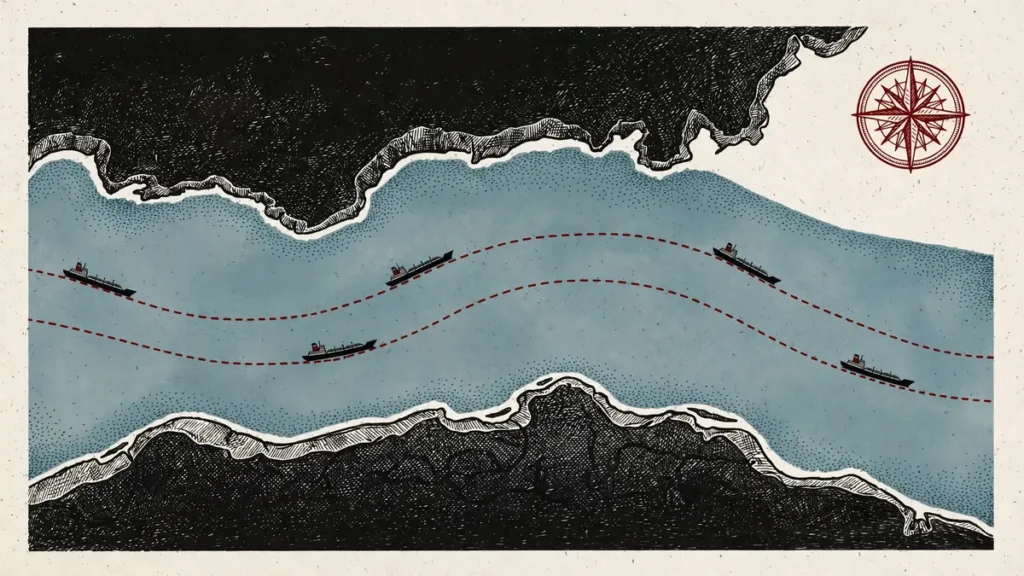
The war began on February 28, 2026, when the United States and Israel launched joint strikes on Iran, killing Supreme Leader Ali Khamenei and senior military commanders, according to NDTV. Tehran struck American bases in the Middle East in response and shut the Strait of Hormuz, the world’s most vital energy conduit — a move that sent oil prices surging worldwide.
- February 28, 2026: US-Israeli strikes open the war; Iran retaliates against US bases and shuts the Strait of Hormuz.
- June 17, 2026: Trump and Pezeshkian sign a 14-point interim deal, brokered with Pakistani and Qatari help, aiming to restore Hormuz shipping and open broader talks.
- July 8, 2026: Trump declares the deal “over”; Tehran suspends the memorandum a week later, accusing Washington of violating its commitments.
- October 8, 2026: Trump says the US will not attack Iran before the November 3 midterm elections, describing talks as productive.
- October 18, 2026: Araghchi says Iran’s seven-day Hormuz reopening proposal remains on the table and is under review.
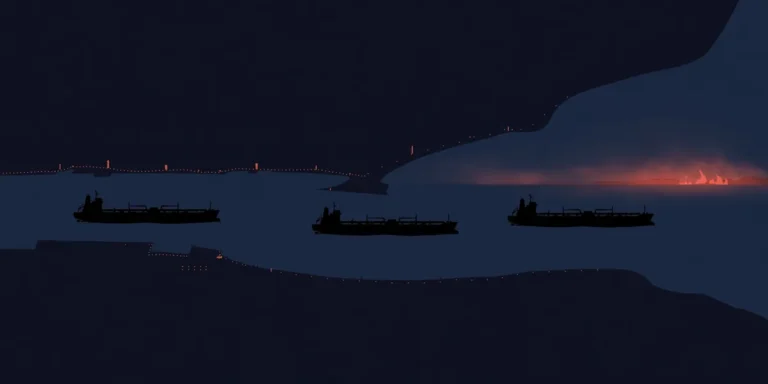
- October 23, 2026: Trump says the US may launch “another little Epic Fury”; Iran’s Revolutionary Guard says two supertankers struck mines in the Strait (see table below — reported, not confirmed).
- October 24, 2026: Trump says a strike could come “maybe tomorrow” — or a “nice, big, beautiful agreement”; Pezeshkian blames Washington for the interim deal’s collapse; Tasnim denies any new proposal to Pakistani mediators; Senator Chris Van Hollen calls the war “our next forever war.”
By the numbers
| Metric | Figure | Source |
|---|---|---|
| Duration of the war to October 25, 2026 | Nearly 8 months (from February 28, 2026) | NDTV; Van Hollen, October 24 |
| Points in the June 17 interim deal | 14 | NDTV |
| Days in Iran’s Hormuz reopening proposal | 7 days | Araghchi, October 18, via Al Mayadeen / Republic World |
| Conditions Tehran says it conveyed via mediators | 7 conditions | Tasnim, via Shafaq / Al Mayadeen |
| Supertankers reported struck by mines, October 23 | 2 tankers, 4.5 million barrels combined — REPORTED | IRGC Navy account, via The Statesman |
| Ships Trump claims are “at the bottom of the sea” | 259 — CLAIM, not independently verified | Trump, October 24, via Economic Times / ETV Bharat |
Caveat: figures marked REPORTED or CLAIM rest on a single source or on a political claim and have not been independently confirmed; all other figures above are corroborated by at least two of the listed sources.
Different perspectives
From Washington, the choice is presented as binary and urgent: finish the job, or sign the deal. Trump’s framing leaves both outcomes open while keeping pressure on Tehran — and, with midterm voting under way, on his domestic audience as well. From Tehran, the choice is presented as a matter of credibility: Pezeshkian’s complaint is not that talks are impossible, but that the last talks were broken by Washington, and Tasnim’s denial is designed to stop a reported concession from becoming the starting point for the next round.
From Congress, the warning is different again. Senator Chris Van Hollen wrote on October 24: “Trump’s illegal Iran war is turning into our next forever war. Eight months in, Trump and Republicans have deluded themselves into thinking the next strike or another bombing campaign will finally bring victory. From Vietnam to Iraq, we know how this ends. This war must end NOW.” Al Jazeera’s live blog quotes the post in full. Van Hollen’s framing — that each new strike is sold as the one that ends the war — is the direct rebuttal to Trump’s “finish the job” language, and it is likely to be quoted back at the administration if a new strike is ordered.
From the region, the stakes are physical rather than rhetorical. The Strait of Hormuz carried roughly one-fifth of global oil and liquefied natural gas trade before the conflict disrupted traffic, according to The Statesman. Any reopening — or any new closure — moves through that narrow waterway first, and it is why a denied report about Hormuz can move the whole debate within hours.
What Trump’s “maybe tomorrow” means for US, UK and EU readers
For readers in the United States, the United Kingdom and the European Union, the immediate effect of a “maybe tomorrow” is uncertainty priced into energy and travel. A renewed strike campaign would be expected to push oil and fuel costs higher and to deepen the shipping disruption that has already rerouted tankers around the region; a credible deal that reopened the Strait would be expected to ease both. Neither outcome can be assumed from a single remark, and no reader should make travel or financial decisions on the basis of it — this article is educational reporting, not financial advice.
The second effect is political. With US midterm elections on November 3 and Israel’s election days away, both a strike and a deal would land in the middle of voting campaigns. That timing is part of why Trump’s remark matters beyond the battlefield: it puts the Iran decision, and the credibility of his earlier “not before the elections” assurance, at the centre of the election debate. For European readers, the parallel question is sanctions and energy supply: any new US action would test European unity on Iran policy, just as the October waiver debate over Russia sanctions has tested it elsewhere.
What to watch next in the Iran standoff
First, watch for a White House clarification of the November 3 line: does “maybe tomorrow” override it, or was it theatre? The intelligence backdrop to the decision is covered in Iran’s Advanced Plots Against US Diplomats: What the Memo Says. Second, watch for any written text from the mediators — Pakistan and Qatar brokered the June interim deal, and a new proposal would most plausibly surface through them before it surfaces in public. Third, watch the Strait itself: shipping movements, mine incidents and any new tanker reports will signal escalation or easing before any official statement does. Fourth, watch Tehran’s domestic debate: Pezeshkian is arguing both that Washington broke the last deal and that a new deal should still be pursued — a position that will be tested by hardliners if talks restart, and by the public if they do not.
Finally, watch what is not said. No strike order has been announced, no deal text has been published, and Tasnim’s denial has closed off one reported shortcut to a deal. Until one of those three things changes, “maybe tomorrow” remains what it was when Trump said it: a possibility, deliberately left open.
Frequently asked questions
Will the US strike Iran on Sunday, October 25?
Trump said a strike could come “maybe tomorrow,” but he did not announce a strike, give a target or a time, or confirm any order. The remark keeps a strike possible; it does not confirm one. Any confirmed military action will be reported here as a separate, sourced update.
What deal is Trump talking about?
Trump described a “nice, big, beautiful agreement” and said Tehran wants a deal but questioned whether it would hold one. The last known text was the June 17 interim deal, which collapsed in July. No new deal text has been publicly confirmed.
Did Iran offer to reopen the Strait of Hormuz in exchange for lifting the US blockade?
Al Arabiya reported such an offer via Pakistan; Tasnim denied any new proposal to Pakistani mediators and rejected a Hormuz-for-blockade exchange. Separately, Araghchi said on October 18 that an earlier seven-day Hormuz reopening proposal remained on the table.
Why does Pezeshkian blame the United States for the interim deal’s collapse?
Pezeshkian said on October 24 that negotiations had been under way before Washington, in his words, “messed everything up,” while still urging a renewed effort to conclude a deal. Washington’s account — that pressure must continue until Iran’s nuclear programme is addressed — differs, and the two versions have not been reconciled.
Sources
- Al Jazeera: Iran war live — Trump hints at possible Sunday Iran attack or deal reached
- Shafaq News: Trump — US could strike Iran on Sunday
- NDTV: US to strike Iran today? Trump keeps world on edge with “maybe” response
- Reuters: Trump says US may do another military operation against Iran
- Al Mayadeen: Iran denies offering opening Hormuz for US lifting naval blockade
- The Statesman: Iran cries “fabrication” over new Hormuz deal report as Trump threatens another strike


Discussion 0
Share analysis, corrections, or context. Be civil — comments are moderated.