
WarBrief Live | October 8, 2026 | Breaking Analysis
At least 33 people were killed and 18 more were wounded when a Russian glide bomb struck a bus stop in Kramatorsk, eastern Ukraine, on the morning of Thursday, October 8, 2026. Ukrainian officials say the weapon hit a street where two city buses were operating, setting both ablaze in what CNN has described as the deadliest single strike of the year.
This Kramatorsk bus stop strike landed just a day after Russia launched a massive air assault across Ukraine that primarily targeted the country’s power grid and killed dozens of civilians — an escalation we tracked in our breakdown of the October 7 nationwide strikes on Ukraine’s energy infrastructure. The two days of attacks mark a sharp escalation of Moscow’s air campaign against Ukrainian cities as winter approaches — and come days before Ukrainian negotiators are due in Washington for talks on Friday.
Key Takeaways
- At least 33 people were killed and 18 wounded when a glide bomb hit a bus stop in Kramatorsk on October 8, 2026 — figures reported consistently by AFP, The Times, and CNN.
- CNN described the attack as the deadliest single strike of 2026; Moscow had not commented as of publication.
- Authorities suspended public transport in Kramatorsk and Sloviansk, and the regional governor urged civilians to evacuate the region.
- The strike followed Wednesday’s nationwide attack on Ukraine’s power grid and landed just ahead of US-Ukraine talks in Washington on Friday.
What happened in the Kramatorsk bus stop strike?
According to Ukrainian authorities, a Russian glide bomb struck a street in Kramatorsk where two city buses were operating on Thursday morning. President Volodymyr Zelenskyy described the site as a bus stop. Images published by police showed bodies strewn across a debris-covered street and the charred shell of a bus.
Ukraine’s State Emergency Service said the strike caused fires on the two buses and in the surrounding area, with rescue workers at the scene helping survivors and extinguishing the blaze. Kramatorsk city council described the attack as a “horrific crime committed by the Russian army against the civilian population,” adding that “once again, the Russians have struck a location where there are absolutely no military targets.”
“For them, a bus with passengers is an attractive target precisely because one strike can kill as many people as possible.” — Donetsk regional governor Vadym Filashkin, on Telegram, as reported by AFP
Filashkin also said he had ordered the suspension of public transport in Kramatorsk and Sloviansk, saying “we have no right to risk” citizens’ lives, and called on civilians to move to safer parts of the country. Separately on Thursday, Russian drone strikes on the capital Kyiv killed three people and wounded 14, according to the city’s mayor — further attacks that AFP reported are unfolding amid a shortage of Ukrainian air defences.
There was no immediate comment from Moscow on the Kramatorsk strike. Russia denies targeting civilians, a position it has maintained while regularly striking Ukrainian cities since the full-scale invasion began in February 2022.
By the numbers: what we know
| Metric | Figure | Source | Status |
|---|---|---|---|
| Killed in the Kramatorsk strike | At least 33 | AFP / The Times / CNN | CONFIRMED |
| Wounded in the strike | 18 | AFP / The Times / CNN | CONFIRMED |
| Buses hit | 2 | AFP / The Times / CNN | CONFIRMED |
| Cities suspending public transport | 2 (Kramatorsk, Sloviansk) | AFP / CNN | CONFIRMED |
| Deadliest single strike of 2026 | Yes | CNN | REPORTED |
| Civilian casualties, Jan–Aug 2026 | 15,280 killed or injured | UN humanitarian coordinator | REPORTED (UN statement) |
| Killed in Oct 7 nationwide strikes | 32+, incl. children | Ukrainian officials / AFP | REPORTED (toll being updated) |
Caveat: casualty figures from active conflict zones change as rescue work continues. Figures marked CONFIRMED are reported by two or more major outlets; figures marked REPORTED come from a single source chain and should be treated as provisional.
What is a glide bomb — and why does Russia use them?
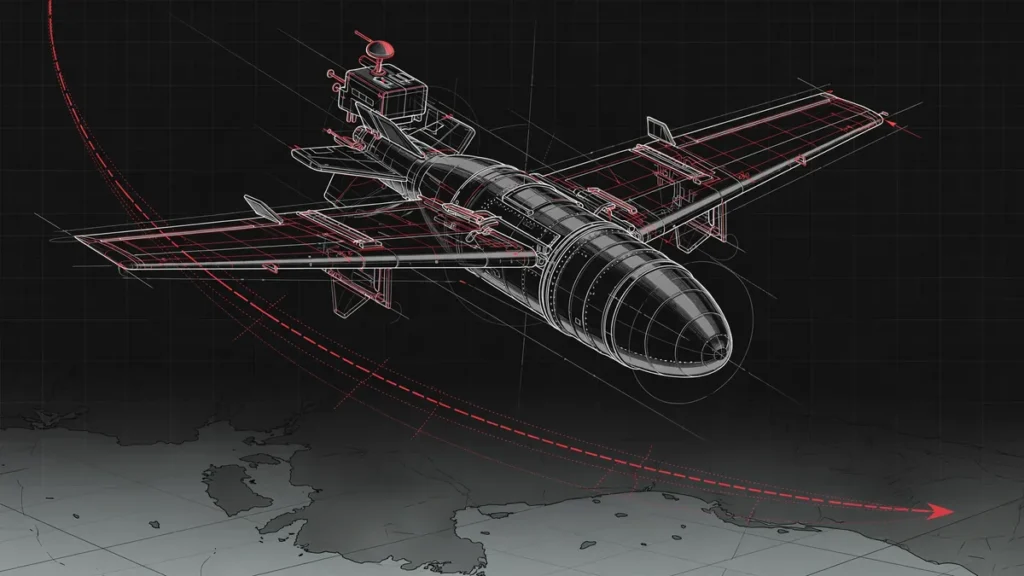
According to The Times, glide bombs are converted Soviet-era weapons fitted with satellite-guided wing kits that let them glide dozens of kilometres after being dropped from an aircraft. The conversion is cheap: it turns a stockpiled “dumb” bomb into a precision stand-off weapon that can be launched from safely behind the front line, beyond the reach of most Ukrainian air defences.
Kramatorsk has been on the receiving end of this campaign for weeks. The Times reports that as many as nine glide bombs were fired at the city in a single day in late August. Their range and accuracy have made them one of Russia’s most effective tools against frontline cities — and one of the hardest for Ukraine’s strained air defences to stop. The weapon’s profile is also why Moscow has leaned on glide bombs as part of what Ukrainian officials describe as a deliberate, no-rules air campaign against Ukrainian cities.
Why Kramatorsk: Ukraine’s fortress belt
Kramatorsk is one of four industrial cities — alongside Sloviansk, Kostiantynivka and Druzhkivka — that form what officials and analysts call Ukraine’s “fortress belt”, the backbone of its defences in the Donetsk region, according to CNN. Home to about 150,000 people before the war, the city has served as a logistics and supply hub for Ukrainian forces and has been frequently targeted. The broader Russia-Ukraine war has increasingly concentrated on these eastern strongholds as frontline fighting has slowed.
Moscow has demanded that Ukraine cede the rest of the Donetsk region still under its control before it stops fighting — a demand Kyiv refuses. With the pace of battlefield gains significantly slowing this year, according to AFP, Russia has leaned harder on its air campaign against cities behind the lines.
The strike also fits a week-long pattern. Wednesday’s massive missile and drone attack hit Ukraine’s power grid and killed dozens, including children in Pryluky, according to Ukrainian officials and AFP reporting. The UN’s humanitarian coordinator for Ukraine, Matthias Schmale, condemned the overnight strikes, saying in a statement that “families must never live through the horror of seeing their children placed in constant danger or buried under the rubble of their own homes.”
What this means for US/UK/EU readers
For European readers, the attack lands at a moment of maximum diplomatic motion. Ukrainian negotiators are scheduled to visit the United States for talks on Friday and Saturday, with Zelenskyy urging Donald Trump to step up pressure on Moscow, according to Reuters. Three days later, on Monday, October 12, the EU is expected to formally adopt 1,646 new Russia sanctions listings — the largest single tranche since 2022. In Washington, a sanctions bill carrying an October 18 deadline is also advancing.
For US and UK readers, the escalation sharpens a familiar debate: Ukraine’s air defences are being depleted faster than they are replenished, and weapons like glide bombs exploit exactly that gap. Expect the Friday talks to focus heavily on interceptor supplies and air-defence commitments.
There is also a practical dimension for European households. Intensifying attacks on Ukraine’s power grid raise the odds of another winter of energy disruption across the region — a pattern that has repeatedly fed through to energy prices and heating bills in previous winters.
Different perspectives
Ukraine’s position: officials describe the Kramatorsk strike as deliberate targeting of civilians. Governor Filashkin called a passenger bus “an attractive target” precisely because of its lethality; the city council called it a “horrific crime” at a site with “absolutely no military targets.”
Russia’s position: Moscow had not commented on the strike as of publication. Russia consistently denies targeting civilians.
The UN’s position: the UN’s humanitarian coordinator condemned the week’s attacks and called for an end to strikes against civilians, noting that 15,280 civilians were killed or injured in the first eight months of the year.
What to watch next
- The toll. Casualty figures from this morning’s strike may still rise as rescue operations continue.
- Moscow’s response. Whether the Kremlin acknowledges the strike at all will signal how it intends to frame this phase of the air campaign.
- Friday’s Washington talks. Ukraine’s delegation meets US officials on Friday and Saturday; air-defence supplies are expected to dominate the agenda.
- Monday’s EU sanctions vote. Formal adoption of the 1,646 listings could add economic pressure timed to the escalation.
- The grid campaign. Whether Russia sustains strikes on energy infrastructure through the autumn — and whether Ukraine’s defences can hold through winter.
Frequently asked questions
What happened in the Kramatorsk bus stop strike?
On the morning of October 8, 2026, a Russian glide bomb struck a street in Kramatorsk, eastern Ukraine, where two city buses were operating. At least 33 people were killed and 18 were wounded, according to Ukrainian authorities, in what CNN described as the deadliest single strike of the year.
How many people were killed in the Kramatorsk strike?
At least 33 people were killed and 18 were wounded. The figures were reported consistently by AFP, The Times, and CNN on Thursday. Ukrainian officials said the toll could change as rescue operations continue.
What is a glide bomb?
A glide bomb is a conventional aerial bomb fitted with pop-out wings and satellite guidance, converting a cheap unguided bomb into a precision weapon that can glide dozens of kilometres from the launch aircraft. Russia has used them intensively against Ukrainian frontline cities; Kramatorsk was hit by up to nine in a single day in late August, according to The Times.
Why is Kramatorsk called part of Ukraine’s fortress belt?
Kramatorsk, Sloviansk, Kostiantynivka, and Druzhkivka form a chain of industrial cities that anchor Ukraine’s defences in the Donetsk region. Russia has demanded Ukraine cede the remaining Ukrainian-held part of the region, and has stepped up drone and glide-bomb strikes on these cities this year.
Has Russia responded to the Kramatorsk strike?
There was no immediate comment from Moscow as of publication. Russia denies targeting civilians, though it has regularly struck Ukrainian cities since the full-scale invasion began in February 2022.
Sources
- AFP / Virgin Radio Dubai: Russian bomb kills 33 in street in east Ukraine stronghold
- The Times: Russia accused of killing 33 after glide bomb strikes bus stop
- CNN: Russian strike kills at least 33 in eastern Ukraine in deadliest single attack this year
- Reuters: Russian bomb kills 12 in street in east Ukraine stronghold (initial report)
- Reuters: Ukrainian negotiators to visit US for talks on Friday, Zelenskiy says
- European Sting / UN: Ukraine: UN condemns latest attacks and calls for civilian protection
- Deutsche Tageszeitung: Heavy casualties in Ukraine after Russian strikes


Discussion 0
Share analysis, corrections, or context. Be civil — comments are moderated.