
WarBrief Live | October 16, 2026 | Breaking Analysis
Ukraine’s military suddenly lost one of its most important battlefield tools this week when its Starshield satellite links began cutting out on fast-moving drones — and Reuters reported the order to impose the Starshield Ukraine speed limit came from inside the White House. What investigators have confirmed so far is narrow: terminals began failing above roughly 160 kilometres per hour on the night of October 12–13, interceptor drones were disrupted, and the service has since been partially restored. What remains unverified is the question everyone in Kyiv and Washington is asking: who actually gave the order.
Key Takeaways
- Ukrainian Starshield and Starlink terminals began shutting down on drones flying faster than about 160 km/h late on October 12, disrupting interceptor drones used against Russian jet-powered Shahed and Geran attacks.
- Elon Musk said on X that limits on the military-grade Starshield system are decided by the US military and ultimately the US president — not by SpaceX.
- Reuters reported on October 15 that the order to slow Starshield came from inside the White House, citing two US officials and a Western official; a senior US official denied that President Trump personally requested it.
- The restriction arrived as Trump pressed Kyiv to stop striking Russian oil refineries ahead of the November 3 midterm elections — a campaign Ukraine says led directly to battlefield losses.
- Partial service was restored by October 14–15, but Kyiv says a speed cap remains on some links and the full picture of who ordered the change is unresolved.
What happened to Ukraine’s Starshield connection?
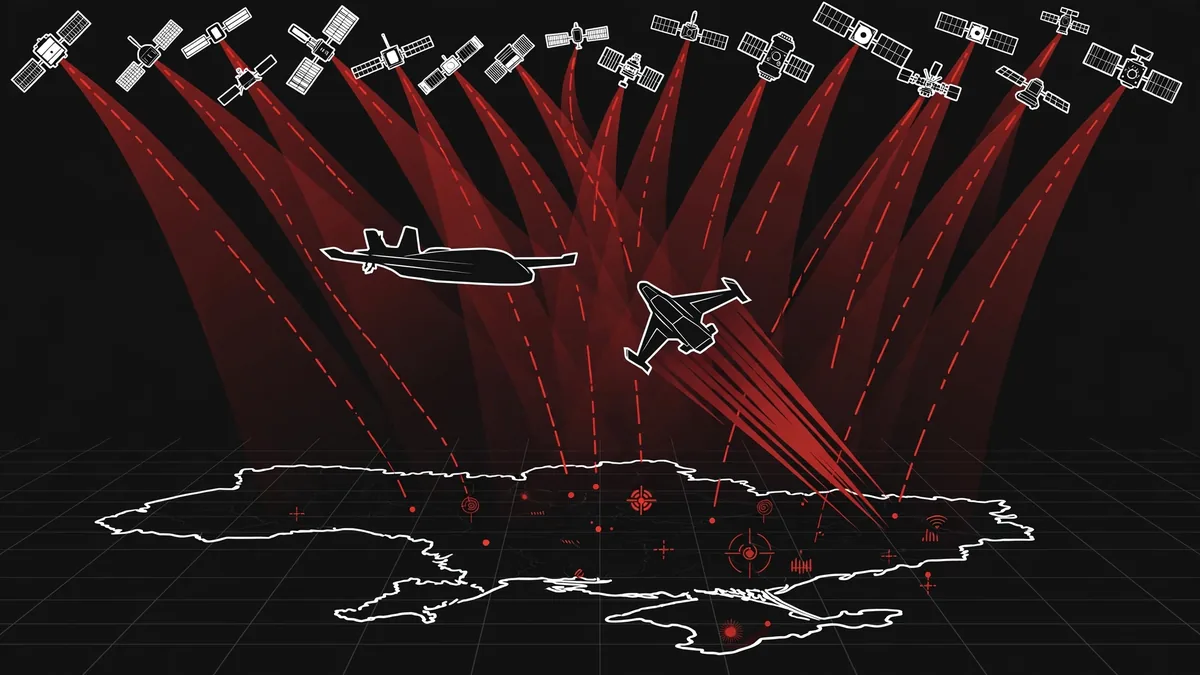
On the night of October 12–13, 2026, Ukrainian military personnel detected a sudden speed restriction affecting Starlink and Starshield satellite terminals, according to Ukrainska Pravda. The system began shutting down when a drone’s speed exceeded roughly 160 km/h — and in some cases as low as 80 km/h. No warning was issued, and the change hit during an active Russian bombardment.
The practical effect was immediate. Ukrainian interceptor drones — the fast platforms now essential for hunting down jet-powered Russian drones — rely on these terminals for onboard guidance. Ukrainian defence technology adviser Serhii Beskrestnov said on Telegram that Ukraine was deprived of one of its few chances to defend itself from Shahed drones, and that frontline logistics and long-distance missions were disrupted too.
President Volodymyr Zelenskyy told the Financial Times the slowdown was deliberate, not a malfunction. He said the failure cost Ukraine dearly during the overnight attacks: because there were not enough interceptors in the air, people were killed. He said he believed the decision had been made jointly by Musk’s SpaceX and the US government.
What is Starshield — and how is it different from Starlink?
Starshield is the government-grade version of SpaceX’s Starlink network, built specifically for national security clients. While Starlink sells consumer and commercial internet subscriptions, Starshield is a classified-capability service owned and controlled by the US government, with the Pentagon as its biggest customer. Ukrainian units use both: ordinary Starlink terminals for communications and military-grade Starshield receptors for high-speed platforms such as interceptor drones.
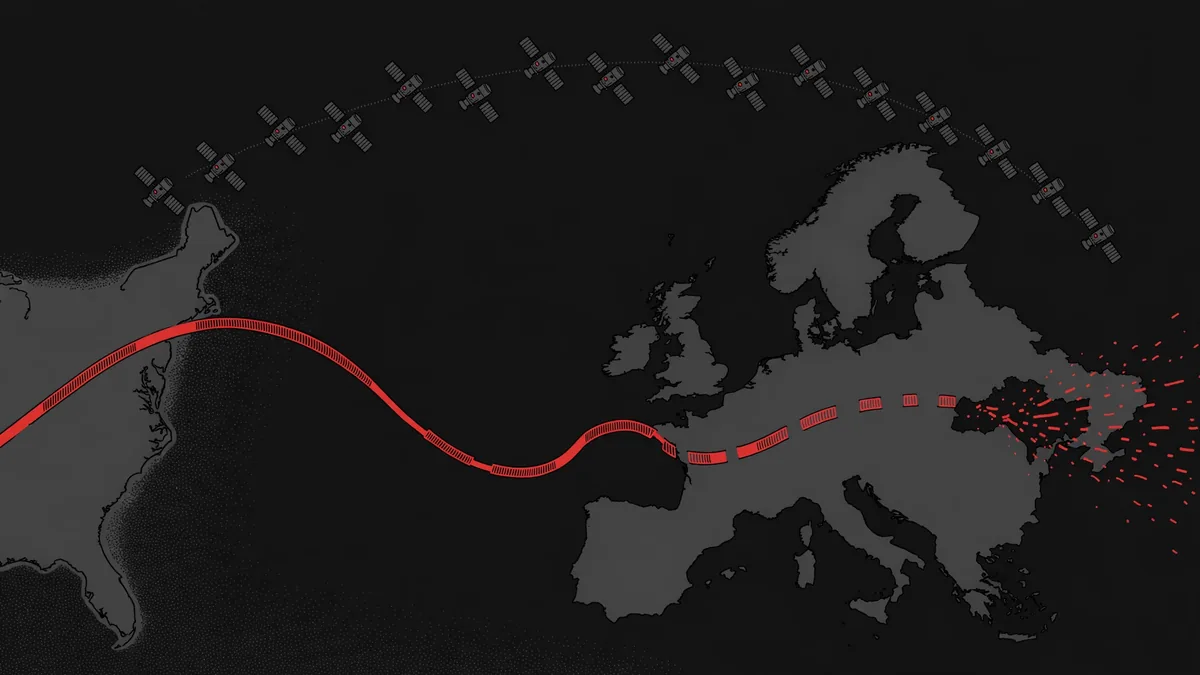
The distinction matters because it determines who can legally throttle the service. Musk stressed this point publicly on October 14, writing on X that any limits on speed or usage of Starshield are decided by the US military and ultimately the president. SpaceX, in other words, was pointing the finger back at Washington. The Pentagon did not immediately respond to requests for comment, and the White House has not confirmed or denied Musk’s claim.
Background and timeline
The disruption did not come out of nowhere. It landed in the middle of a bitter fight between Washington and Kyiv over Ukrainian strikes on Russian energy infrastructure.
- December 2024: The Pentagon moves some Ukrainian terminals onto the Starshield service, the government version now at the centre of the dispute.
- Early October 2026: Trump announces an “energy ceasefire” covering strikes on Russian and Ukrainian energy sites, a move that appeared to catch both sides by surprise.
- October 10: Musk posts on X that “Zelensky has gone too far,” after Trump pushes Kyiv to halt refinery strikes. That same day, Ukrainian officials tell Axios that Trump’s envoys had threatened during talks in Miami to cut off Kyiv’s access to US intelligence unless Ukraine stopped hitting Russian refineries.
- Night of October 12–13: Ukrainian forces detect the Starshield/Starlink speed restriction. Terminals cut out above roughly 160 km/h during a Russian drone and missile bombardment.
- October 14: Musk posts that only the US military and the president can limit Starshield. Poland’s foreign minister Radosław Sikorski responds angrily on X, asking Musk whether he is playing politics with his products again. Ukraine’s defence ministry says access has “improved” but notes a 161 km/h limit remains in place.
- October 15: Reuters reports the order came from inside the White House. A Ukrainian military source tells the Financial Times that full functionality has been restored and speed limits lifted — an account Kyiv’s ministry has not fully confirmed.
- October 16: Trump tells Newsmax that Ukraine’s resumed refinery strikes are a “disgrace” keeping global energy prices elevated, and repeats that he is not a fan of Zelenskyy.
Who gave the order to slow Ukraine’s drones?
This is the heart of the story — and the part nobody has proved. Three narratives are now competing, and each is backed by different people.
The Reuters account: On October 15, Reuters reported that the order to limit Starshield came from inside the White House, citing two US officials and a Western official briefed on the matter. The officials said leaders at the Defense Department received a message that the service for the Ukrainian military needed to be slowed. They spoke on condition of anonymity and did not say who in the White House made the decision or who carried it out.
The denial: In response to Reuters, a senior US official said that no such request was ever made by the president. The White House did not answer questions about whether other administration officials might have made the request. Separately, two senior US officials told CNN that the order did not come from Trump — and some officials are increasingly convinced that Musk himself was largely to blame.
Kyiv’s reading: Zelenskyy has rejected any suggestion of a technical fault. Ukrainian officials point to the timing: the limits appeared just as Washington was pressing Kyiv hardest to stop the refinery campaign. Musk’s own posts criticising Zelenskyy days earlier have reinforced the suspicion in Kyiv that the move was political.
The technical caveat: Analysts cited by European media have noted that neither Ukrainian nor Polish officials have presented hard evidence tying the restriction to a White House or SpaceX order, and that a technical or policy change affecting fast-moving terminals has not been ruled out. Until more is disclosed, the origin of the order stays in the unconfirmed column.
By the numbers
| Metric | Figure | Source |
|---|---|---|
| Terminal cut-out speed detected Oct 12–13 | ~160 km/h (some cases 80 km/h) | Ukrainska Pravda; The Times |
| Poland’s annual payment for Ukraine Starlink subscriptions | ~$50 million per year | The Times; industry reporting |
| CONFIRMED: the order’s origin | Disputed — Reuters sources say White House; US officials deny Trump ordered it; CNN sources point at Musk | Reuters; CNN |
| REPORTED: remaining speed cap after partial restore | 161 km/h (100 mph), per Ukraine’s defence ministry | The Times |
| REPORTED: full restoration claim | Ukrainian military source says limits lifted — not confirmed by Kyiv’s ministry | Financial Times via CNN |
| US midterm elections (reported political backdrop) | November 3, 2026 | Reuters; The Times |
Caveat: the speed-cap and attribution figures come from government statements and single-source reporting, not independently verified measurements. Treat the order’s origin as unresolved.
What the Starshield dispute means for US/UK/EU readers
For American readers, the dispute is tangled up with the price at the pump. The reported motive behind the pressure on Kyiv is Trump’s drive to bring down energy costs before the November 3 midterms — he has blamed Ukraine’s refinery strikes for keeping global oil prices elevated and even temporarily lifted US sanctions on Russian diesel imports to ease fuel costs. Reuters notes that experts instead blame the price surge mainly on the US-Israeli war with Iran, which has largely shut the Strait of Hormuz.
For British and European readers, the episode is a warning about dependency. Ukraine’s drone force runs on an American billionaire’s satellites, paid for by Poland. Europe’s attempt at an alternative — Eutelsat’s satellite constellation — saw its shares jump as investors bet the Starshield row would accelerate demand for a non-US backbone. Radosław Sikorski’s public clash with Musk (“big man” versus “small man,” as Musk called him in 2025) has made the political fragility of the arrangement impossible to ignore.
There is also a democratic-oversight angle for US readers. Senator Jeanne Shaheen wrote on X that the restrictions must stop immediately, adding that the Pentagon is required to notify Congress if it pauses or downgrades intelligence sharing with Ukraine. The Starshield episode has reopened the question of how much of America’s war-support infrastructure one private contractor should control.
Different perspectives
Washington’s view is that Kyiv’s deep-strike campaign against Russian refineries is driving up global energy prices and complicating ceasefire diplomacy. Trump has said plainly that hitting diesel refineries does the world no good, and his administration has tried to trade a halt in those strikes for progress toward a broader settlement.
Kyiv’s view is that the refinery strikes are one of the few levers Ukraine has left, and that throttling its satellite links during an active bombardment crossed a line. Zelenskyy has said Ukraine will keep striking Russian oil facilities unless Moscow halts attacks on Ukraine’s power plants and critical infrastructure.
Moscow’s view is unstated in this story — but Russia is the direct beneficiary. Every hour Ukrainian interceptors fly blind is an hour Russian drones have an easier run at Ukrainian cities and power stations. As one former British intelligence chief noted this week, Russia has shifted toward aerial attacks partly because it is faring poorly on the front line.
Could Europe or Ukraine build a satellite network without Starshield?
Not quickly. No other constellation today matches Starlink’s density of low-earth-orbit satellites or its ground-terminal ecosystem, and Starshield’s military-grade layer sits on top of that same infrastructure. Eutelsat is the most credible European alternative, and the EU’s planned IRIS² secure constellation is still years from full service. For now, Ukraine’s fastest option is what it already has — which is exactly why the White House, the Pentagon, or Musk each hold so much leverage over Kyiv’s drone war. For background on how central the satellite link became to Ukraine’s strike campaign, see our earlier piece on why Zelenskyy wants Starlink for Russia strikes, and follow the wider campaign in our Ukraine war coverage and our reporting on the shattered energy ceasefire.
What to watch next in the Starshield standoff
First, watch whether the remaining speed cap is genuinely lifted. Kyiv’s ministry said a 161 km/h limit was still in place even as a military source claimed full restoration — the gap between those two accounts is where the truth sits. Second, watch Congress: Shaheen’s demand for Pentagon notification could force a public accounting of what happened and who ordered it. Third, watch Ukraine’s refinery campaign. If Kyiv resumes long-range strikes at full pace — it has already hit a Rosneft refinery southeast of Moscow since abandoning the ceasefire — Washington’s leverage over the satellite link becomes the next flashpoint. And fourth, watch Eutelsat: Europe’s rush for satellite independence just got its strongest sales pitch in years.
Frequently asked questions
What is Starshield and why does Ukraine use it?
Starshield is SpaceX’s military-grade satellite internet service, built for government and national-security clients. Ukraine’s military uses its hardened receptors on fast platforms such as interceptor drones, where ordinary Starlink terminals cannot keep up. The Pentagon is Starshield’s biggest customer, and the system is owned and controlled by the US government.
What speed limit was placed on Ukraine’s drones?
On the night of October 12–13, Ukrainian forces found terminals cutting out above roughly 160 km/h — in some cases as low as 80 km/h. That grounded or degraded interceptor drones hunting Russian jet-powered drones. Ukraine’s defence ministry later said a 161 km/h (100 mph) cap remained even after service “improved.”
Did the White House order the Starshield slowdown?
That is disputed. Reuters reported on October 15 that the order came from inside the White House, citing two US officials and a Western official. A senior US official denied that President Trump personally requested it, and two officials told CNN the order did not come from Trump — with some officials suspecting Musk himself. No hard evidence has been made public.
Why would the US limit Ukraine’s satellite service?
The reported motive is pressure on Kyiv to stop striking Russian oil refineries. Trump has blamed those strikes for high global energy prices ahead of the November 3 US midterm elections, and Ukrainian officials say his envoys threatened to cut intelligence access unless the refinery campaign stopped. Experts note the price surge is driven mainly by the US-Israel-Iran war and the Hormuz shutdown.
Is Starshield back to normal now?
Partially. Ukrainian officials said on October 14–15 that access had improved, and one military source told the Financial Times the limits were fully lifted — but Kyiv’s defence ministry said a 161 km/h cap was still being maintained by SpaceX. The full picture remains unclear.
Sources
- Reuters: Order to limit Starshield for Ukraine came from inside White House, sources say
- CNN: Controversy over Musk military system in Ukraine pitches relations with US into deeper crisis
- Al Jazeera: Ukraine accuses Elon Musk’s SpaceX of throttling Starlink terminals
- Ukrainska Pravda: White House ordered restrictions on Starshield in Ukraine – Reuters
- Reuters: Ukraine’s resumption of strikes on Russian refineries is ‘disgrace’, Trump says
- The Times: Zelensky: My people are dying after Trump’s Starlink betrayal



Discussion 0
Share analysis, corrections, or context. Be civil — comments are moderated.