
WarBrief Live | October 31, 2026 | Breaking Analysis
No. On October 30, 2026, CENTCOM called Iran’s claim that it had destroyed an American unmanned sea vessel in the Strait of Hormuz false, saying all such vessels were accounted for.
At a glance
- 40 nautical miles: distance south of Lavan Island where UKMTO said a vessel was hit by an unidentified projectile on October 30, 2026, with a fire onboard and the crew reported safe.
- 25 crew: number Oman said it rescued from the Panama-flagged merchant ship RITI after it was targeted and caught fire.
- More than 30 incidents: number UKMTO reported in and around the Strait of Hormuz in October 2026, its highest monthly total of the war.
- 4 tankers: number Iran’s Revolutionary Guards Navy claimed had caught fire after hitting mines – a claim Reuters could not independently verify.
That denial was only one part of a crowded and contradictory day at sea. Within hours, the United Kingdom Maritime Trade Operations (UKMTO) centre reported a separate projectile strike south of Iran’s Lavan Island, Saudi Arabia said it had intercepted a Houthi drone in the Mecca region, and Iran’s Revolutionary Guards Navy claimed that four oil tankers had caught fire after striking mines on routes Tehran calls unauthorised. None of those claims can be treated as a single settled story, because the sources disagree, the vessels are in several cases unnamed, and independent verification was not available for the most sweeping Iranian claims.
This article separates what was confirmed, what was reported by an official body, and what remains only claimed. That distinction matters more than usual in the Strait of Hormuz, where a single unverified tanker claim can move oil markets and shipping decisions before anyone has established which ship, if any, was involved.
Key Takeaways
- CENTCOM called the Iranian sea-drone claim false on October 30, 2026, saying all United States unmanned surface vessels in the Middle East were accounted for.
- UKMTO confirmed a projectile strike 40 nautical miles south of Lavan Island, with a fire onboard, the crew safe, and no environmental impact reported at the time.
- Iran claimed four tankers caught fire after hitting mines on unauthorised routes. Reuters reported it could not independently verify that account, and UKMTO did not say its Lavan report was one of those tankers.
- Oman rescued 25 crew from the Panama-flagged ship RITI after it was targeted and caught fire. That rescue must not be merged with the Lavan incident without further evidence.
- Saudi Arabia said it intercepted a Houthi drone in the Mecca region and a cruise missile aimed at western Saudi Arabia. The Houthis denied targeting Mecca.
- Admiral Brad Cooper, the CENTCOM commander, said United States forces had cleared the strait’s primary transit routes of Iranian sea mines. That is a United States military claim, and it sits alongside a far higher UKMTO incident count for October.
What did Iran claim on October 30, 2026?
Iran’s navy said on October 30, 2026, that it had destroyed an enemy unmanned vessel operating east of the Strait of Hormuz. The statement, carried by the official IRNA news agency and reported by Reuters, did not initially identify the vessel or its operator. Later Iranian reporting, as summarised by CENTCOM, framed the claim as the destruction of a United States military sea drone in the strait.
Separately, Iran’s Revolutionary Guards Navy said oil tankers had caught fire after striking mines while using routes it described as unauthorised. The count in Iranian state reporting rose during October 30, 2026, from three tankers to four. The fourth, according to the Guards, was a supertanker carrying more than 2 million barrels of crude oil that had stopped after an explosion following a mine strike on an unauthorised route. Iranian state media also reported that Iranian forces had downed and captured an MQM-170 United States drone over Qeshm Island near the strait.
All of those tanker and drone claims are REPORTED, not confirmed. Reuters reported that it could not independently verify the Iranian account, and no independent evidence identifying each claimed tanker, its crew, or the extent of any damage was published with the claims. The Guards also said two tankers had been halted after encountering unspecified incidents in waters south of the strait, after ignoring radio warnings and switching off navigation systems. Again, the vessels were not named in the reporting available on October 30, 2026.
That absence of names is the central verification problem. A claim about four tankers cannot be checked against shipping records, crew reports, or port arrivals until the ships are identified. Until then, the honest summary is that Iran claimed four tanker incidents, not that four tankers were confirmed to have struck mines.
What did CENTCOM say in response?
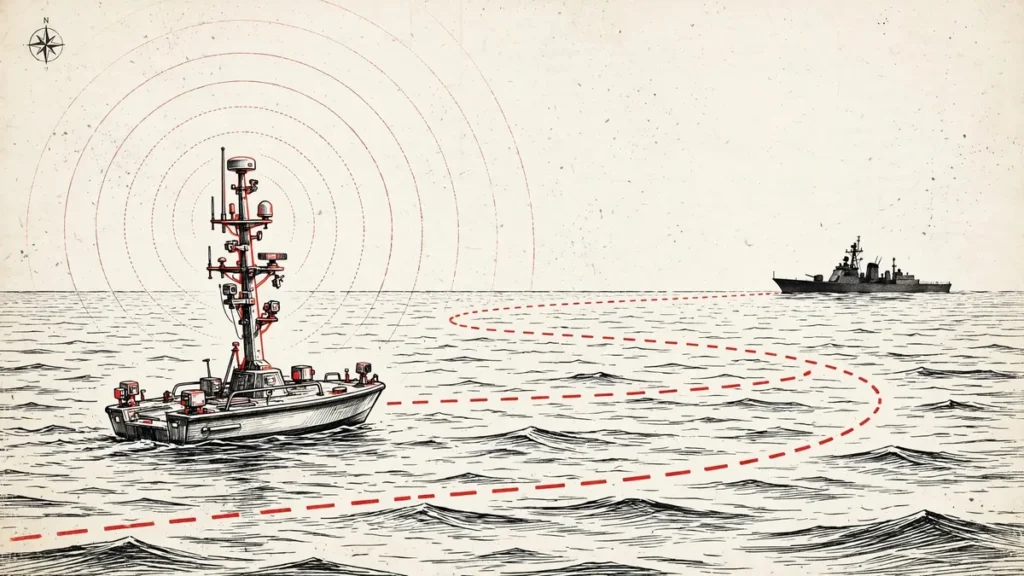
CENTCOM rejected the sea-drone claim directly. In a statement posted on X on October 30, 2026, the command said: “Today, Iran’s Islamic Revolutionary Guard Corps (IRGC) claimed it destroyed a U.S. military sea drone in the Strait of Hormuz. This claim is FALSE, just like many other IRGC lies this week.” It added: “All U.S. military unmanned surface vessels in the Middle East are accounted for, including a squadron of advanced sea drones on patrol in the Strait of Hormuz supporting CENTCOM’s defensive layer.”
That is a clear denial, but it is also a claim by one party to the dispute, not an independent verification. Neither the Iranian claim nor the United States denial could be independently verified from the public record on October 30, 2026, a point Reuters and other outlets noted explicitly. Readers should therefore treat the position as a direct contradiction between two official accounts, with the physical evidence – a recovered vessel, wreckage, or imagery – not publicly produced by either side.
CENTCOM commander Admiral Brad Cooper made a separate and broader claim in a video released on October 30, 2026. He said United States forces had cleared the strait’s internationally recognised primary transit routes of Iranian sea mines, that commercial vessels were transiting freely, and that during a visit on October 25, 2026, he had seen dozens of merchant vessels but no IRGC presence. CENTCOM said more than 3,000 commercial vessels had transited the strait with United States support over the previous six months, and that more than 95 percent of ships navigating the strait in recent months had sailed through safely. Cooper also said United States forces had helped Gulf partners export more than 1.5 billion barrels of crude oil through the strait since the summer.
Those figures describe United States-supported transits and the command’s own assessment of route safety. They do not, by themselves, settle whether mines remain elsewhere in the waterway, or whether vessels outside the primary routes face the same risk. The International Maritime Organization has previously been more cautious about guaranteeing that a ship using its approved lanes would not strike a mine, given how difficult outside verification has become during the war. That caution does not disprove Cooper’s clearance claim, but it explains why shipowners, insurers, and crews do not treat a single military statement as the end of the risk assessment.
Was a tanker hit off Lavan Island?
Yes, according to UKMTO, a vessel was hit – but UKMTO did not name the vessel, identify an attacker, or link the incident to Iran’s four-tanker claim. In an advisory issued on October 30, 2026, UKMTO said a vessel 40 nautical miles (74 kilometres) south of Lavan Island had been struck by an unidentified projectile, causing a fire onboard. The vessel was hit on its port side, the crew were reported safe, and no environmental impact had been reported at the time of the notice. UKMTO advised vessels in the area to transit with caution and report suspicious activity while authorities investigated.
Lavan Island lies off Iran’s southern coast in the Gulf. The UKMTO report is therefore geographically distinct from the separate incidents reported near Oman’s Musandam coast, and it should not be assumed to be the same event as the RITI rescue described below, or as any one of the tankers in Iran’s claim. UKMTO’s own wording is deliberately narrow: an unidentified projectile, an unnamed vessel, a fire, a safe crew. Anything beyond that – who fired, why, and whether the ship was on an authorised or unauthorised route – is not established by that advisory.
UKMTO also reported a separate crude oil tanker struck by an unknown projectile while completing an outbound transit of the strait, and earlier in the week it had reported the limpet-mine attack on the tanker Louise 1 near Khasab, Oman, which WarBrief covered in its October 30, 2026 mines explainer. Keeping those incidents separate is essential. The strait is producing multiple, overlapping incident reports in a single week, and merging them into one dramatic total creates a false picture of a single attack when the evidence points to several different events, with different weapons, locations, and levels of confirmation.
Background and timeline: how October 30, 2026 fits the wider Hormuz campaign
The Strait of Hormuz links the Gulf to the Gulf of Oman and the open ocean, and it normally carries about a fifth of global oil supplies. Since the United States-Israeli war on Iran began on February 28, 2026, the waterway has become a central front in the conflict, with Iran seeking to restrict traffic it considers unauthorised and the United States enforcing a counter-blockade of Iranian ports. That contest explains why route choice – which corridor a tanker uses, and whether it coordinates passage with Iranian forces – has become a political as well as a navigational question.
- February 28, 2026: United States-Israeli strikes on Iran begin the war, according to multiple news reports. Iran subsequently restricts maritime traffic through the strait.
- October 29, 2026: United States strikes on Iranian naval targets change the maritime picture, as covered in WarBrief’s October 29, 2026 analysis. UKMTO reports a tanker struck by projectiles while leaving the strait, and separately the limpet-mine attack on Louise 1 near Khasab.
- October 30, 2026, morning: Saudi Arabia reports interceptions in the Mecca region and western Saudi Arabia, described below. Iran’s Guards begin reporting tankers halted or on fire on unauthorised routes.
- October 30, 2026, daytime: Oman rescues 25 crew from RITI. CENTCOM releases Cooper’s mine-clearance video and later denies the sea-drone claim. UKMTO issues the Lavan projectile advisory.
- October 30, 2026, evening: Iranian state reporting raises the claimed tanker total to four, including a supertanker said to carry more than 2 million barrels. Reuters notes the account could not be independently verified.
- October 31, 2026, morning: The Saudi-led coalition says air defences intercepted a hostile drone in the Riyadh region. Details on origin, damage, or injuries were not provided in the announcement, so that report remains limited and single-sourced.
October as a whole was already the worst month of the war for Hormuz shipping before October 30, 2026. UKMTO reported more than 30 attacks in and around the strait in October 2026, more than double September’s total and more than in March 2026, the first full month of the conflict, when 30 attacks were recorded. Since February 28, 2026, UKMTO has reported 145 incidents in the area, counting only attacks reported by verified vessels, so the true total could be higher. That context is important: October 30, 2026 was not an isolated bad day, but a peak day inside an already deteriorating month.
What happened near Mecca on October 30, 2026?
On the morning of October 30, 2026, the Saudi-led coalition said it had intercepted and destroyed a drone launched by Yemen’s Houthi rebels in the region surrounding Mecca, Islam’s holiest city. Coalition spokesman Major General Turki al-Malki said the drone was intercepted in the Mecca region. Al Jazeera reported that a missile aimed at western Saudi Arabia had also been brought down, and that al-Malki said air defences had intercepted and destroyed a Houthi cruise missile targeting western Saudi Arabia in the early hours of October 30, 2026.
The Houthis denied targeting Mecca. Houthi military spokesman Yahya Saree said the group had not conducted an operation targeting Mecca or its surrounding region, and that its operations were aimed at Saudi oil facilities and military bases. That denial follows a pattern: the coalition has previously accused the Houthis of launching drones towards Mecca and Medina, and the Houthis have repeatedly denied targeting either holy city.
The Mecca claim therefore has the same structure as the Hormuz sea-drone dispute: an official interception claim, a denial from the accused party, and no independent evidence in the public record that settles the intended target. What is confirmed is that the coalition announced an interception, that it named the Mecca region, and that the Houthis denied targeting it. Whether a drone was in fact aimed at Mecca, at a nearby military or energy site, or elsewhere in the region cannot be established from those two statements alone.
The wider Saudi picture on October 29 and 30, 2026, included further interceptions. The coalition said on October 29, 2026, that it had destroyed a ballistic missile aimed at the kingdom’s eastern region and two ballistic missiles aimed at Riyadh. Saudi Civil Defence later said debris from two ballistic missiles intercepted over Riyadh on October 29, 2026, injured one civilian and damaged a house and a vehicle. Those details, attributed to Saudi Civil Defence, are more specific than the Mecca-region announcement, because they include a reported injury and property damage, but they still rest on Saudi official reporting.
Why the claim-and-denial pattern matters
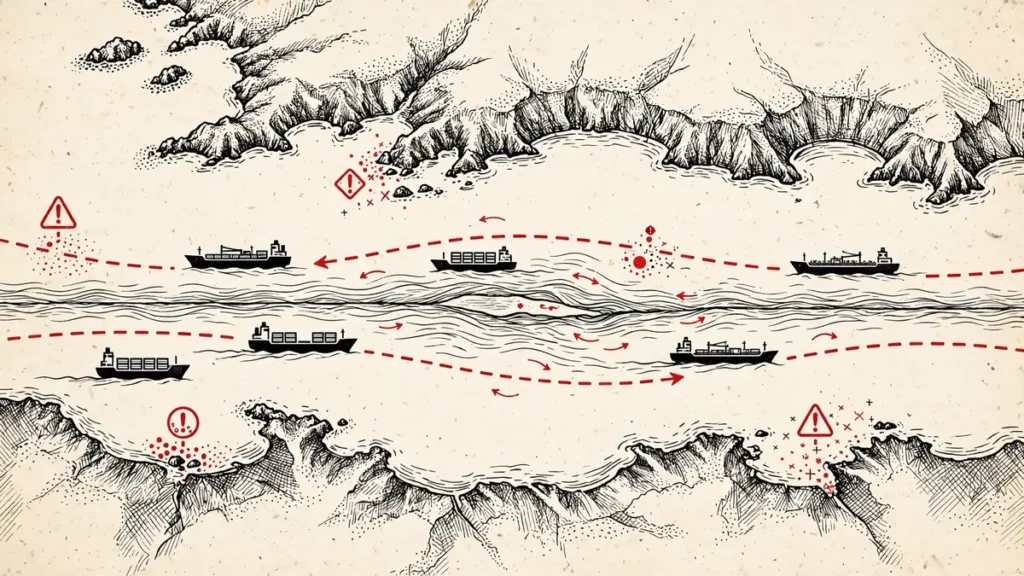
Three different kinds of claim were circulating on October 30, 2026, and they work differently. First, there are incident reports from a monitoring body, UKMTO, which are narrow, sourced to vessel reports, and usually limited to location, weapon type as reported, fire, crew safety, and environmental impact. Second, there are military claims from a party to the conflict, such as CENTCOM’s denial and Cooper’s clearance statement, or Iran’s mine and drone claims, which serve both an operational and a messaging purpose. Third, there are second-hand summaries in liveblogs and state media, which can amplify a claim while losing its original caveats.
When those layers are flattened into a single headline – “four tankers hit” or “sea drone destroyed” – the caveats disappear. The reader is left with a number that looks confirmed when it is, in fact, claimed. That is why this article keeps the labels visible: CONFIRMED means two or more independent sources or a direct monitoring-body report; REPORTED means an official statement or a single-source report that has not been independently verified; CLAIMED means a party’s assertion that another party disputes or that no independent source has confirmed.
For shipping, the practical consequence is not abstract. A master deciding whether to use the southern corridor near Oman, a route Tehran calls unauthorised, or the primary internationally recognised routes that CENTCOM says are clear, must weigh contradictory official guidance. Iran has demanded that vessels use a designated route and coordinate passage with its armed forces. The United States says the primary routes are clear and that its forces will keep them open. UKMTO, meanwhile, advises caution and investigation after each incident, without endorsing either route claim. Insurers and owners, whose surcharges are explained in WarBrief’s guide to how war risk insurance works, price that uncertainty directly into every transit.
Different perspectives
From Washington’s perspective, October 30, 2026, was a day for demonstrating control: cleared routes, accounted-for drones, dozens of merchant vessels transiting, and no IRGC presence observed during Cooper’s overflight. The message is that the blockade and mine-clearance effort are working, and that Iranian claims of successful strikes are information operations rather than battlefield results.
From Tehran’s perspective, the same day was presented as enforcement: vessels that ignored warnings, switched off navigation systems, or used unauthorised routes encountered mines, fires, and halts, and American unmanned systems were not invulnerable. The message is that Iran can still impose costs in the strait even while its navy is under heavy pressure, and that route compliance is not optional.
From the perspective of Gulf shipping states and the crews themselves, neither message is sufficient. Oman had to rescue 25 people from a burning ship. UKMTO recorded the highest monthly incident total of the war. Crews on tankers such as Louise 1, whose engine room caught fire after limpet mines were attached to its hull, experienced the risk directly, regardless of which capital claimed a strategic victory that day. For those actors, the verified facts – a fire, a rescue, a safe crew, an investigation – matter more than the competing narratives about who controls the waterway.
Diplomatically, the day also contained a counter-current. A Qatari delegation arrived in Tehran on October 30, 2026, for talks with senior Iranian officials, according to IRNA reporting summarised by Dawn, as mediators pressed efforts to revive peace talks with the United States. That visit does not change the maritime facts, but it shows that the claim-and-denial round at sea was unfolding alongside, not instead of, mediation efforts.
By the numbers: what is confirmed and what is only reported
| Metric | Figure | Source |
|---|---|---|
| UKMTO projectile strike south of Lavan Island, October 30, 2026 | 1 vessel hit, fire onboard, crew safe | UKMTO advisory, via The Hindu and Al Jazeera |
| Oman rescue from RITI, October 30, 2026 | 25 crew rescued | Oman Maritime Security Centre, via The Hindu and Arab News |
| UKMTO incidents in and around Hormuz, October 2026 | More than 30 | UKMTO, via The National |
| UKMTO incidents since February 28, 2026 | 145 reported by verified vessels | UKMTO, via The National |
| Commercial vessels transited with United States support, past six months | More than 3,000 (CENTCOM claim) | CENTCOM, via Gulf News |
| REPORTED: Tankers Iran claimed caught fire after mine strikes, October 30, 2026 | 4 claimed, not independently verified | IRGC Navy via Iranian state media, via Reuters |
| REPORTED: Supertanker cargo in fourth claimed incident | More than 2 million barrels (claimed) | IRGC via Iranian state media |
| REPORTED: United States drone downed over Qeshm Island | 1 MQM-170 claimed, no United States response reported | Iranian state media, via Reuters |
Caveat: figures marked REPORTED are single-party or single-source claims that Reuters or other outlets said could not be independently verified. They are not confirmed totals, and they must not be added to UKMTO’s confirmed incident counts.
What the Hormuz claim-and-denial round means for US/UK/EU readers
For readers in the United States, the United Kingdom, and the European Union, the direct effect of October 30, 2026, is less about any single ship and more about the price and reliability of energy and goods that pass through the strait. The waterway normally carries about a fifth of global oil supplies, so a week in which UKMTO records its highest monthly incident total, and in which route guidance from Tehran and Washington directly contradicts itself, tends to raise war-risk surcharges, insurance costs, and freight rates even when no single incident blocks the strait outright.
Travellers are less directly affected than shippers, but the Saudi interceptions are a reminder that the conflict’s geography is wider than the strait itself. Airspace and travel advice for the Gulf region can change quickly after missile and drone interceptions, and readers planning travel should check current official advice rather than relying on a single day’s headlines. For markets, the lesson of October 30, 2026, is to distinguish a claimed tanker total from a confirmed one: traders who reacted to “four tankers” as a verified fact would have overstated the confirmed damage, while those who ignored the UKMTO Lavan report and the Oman rescue would have understated the real risk to crews.
The most useful habit for the coming days is to ask, for each new Hormuz claim, three questions: is the vessel named, is there a second independent source, and does the claim come from a monitoring body or from a party to the conflict? On October 30, 2026, the Lavan report passed the first test in part – it had a location, a weapon description, and a crew outcome – but not the naming test. The Iranian four-tanker claim passed none of those tests in the public record. The CENTCOM denial passed the official-statement test, but not independent verification. Holding those distinctions is what keeps a fast-moving maritime story honest.
What to watch next in the Strait of Hormuz
First, watch for UKMTO follow-up advisories on the Lavan vessel: a name, a flag, a cargo, or an investigation outcome would turn a narrow incident report into a checkable event, and would clarify whether it overlaps with any Iranian claim. Second, watch for any physical evidence on the sea-drone dispute – wreckage, imagery, or a third-party sighting – because without it, the dispute will remain a statement against a statement. Third, watch the October incident count as it is finalised: if UKMTO’s monthly total continues to rise into November, the argument that primary routes are fully clear will face a harder test from the monitoring body’s own data.
Fourth, watch Saudi-Houthi reporting in the coming days, including whether the coalition provides further detail on the Riyadh-region drone reported on October 31, 2026, and whether the Houthis issue a fuller response. Fifth, watch mediation: the Qatari delegation’s Tehran visit, and Pakistan’s stated cautious optimism about Iran-United States mediation, are separate tracks from the maritime incidents, but any progress – or collapse – in talks would change the context in which the next Hormuz claim is made and received. Finally, watch for any update to WarBrief’s Conflict Zones hub, where this story will be tracked alongside the wider Iran war.
Frequently asked questions
Did Iran destroy a United States sea drone in the Strait of Hormuz on October 30, 2026?
Iran claimed it destroyed an enemy unmanned vessel east of the strait, and CENTCOM said that claim was false, stating all United States unmanned surface vessels in the Middle East were accounted for. Neither claim was independently verified in the public record on October 30, 2026, so the destruction is not confirmed.
Was a tanker hit off Lavan Island on October 30, 2026?
Yes, according to UKMTO, a vessel 40 nautical miles south of Lavan Island was struck by an unidentified projectile, causing a fire onboard. The crew were reported safe and no environmental impact was reported at the time. UKMTO did not name the vessel or identify an attacker.
Did four oil tankers catch fire in the Strait of Hormuz on October 30, 2026?
Iran’s Revolutionary Guards Navy claimed four tankers caught fire after hitting mines on unauthorised routes, including a supertanker said to carry more than 2 million barrels. Reuters reported it could not independently verify that account, and the vessels were not named, so four is a claimed total, not a confirmed one.
What happened near Mecca on October 30, 2026?
The Saudi-led coalition said it intercepted and destroyed a Houthi drone in the Mecca region and a cruise missile aimed at western Saudi Arabia. The Houthis denied targeting Mecca, saying their operations target Saudi oil facilities and military bases. The intended target of any drone cannot be established from those two statements alone.
Are Hormuz shipping routes clear of mines?
CENTCOM commander Admiral Brad Cooper said on October 30, 2026, that United States forces had cleared the primary internationally recognised transit routes of Iranian sea mines and that vessels were transiting freely. That is a United States military claim. UKMTO, meanwhile, reported more than 30 attacks in and around the strait in October 2026, so route risk remains contested and incident-dependent.
Sources
- The Straits Times (Reuters): Iran’s IRGC Navy says tankers catch fire in Strait of Hormuz
- The Hindu: Oman rescues 25 from burning ship, Iran halts tankers
- Al Jazeera: Saudi Arabia reports interception of Houthi drone targeting Mecca
- Gulf News: US forces clear Strait of Hormuz of Iranian mines, ensure safe passage
- The National: Attacks on ships transiting Hormuz in October highest since start of war
- Gulf News: Middle East war live coverage, October 30-31, 2026
Discussion 0
Share analysis, corrections, or context. Be civil — comments are moderated.