
WarBrief Live | October 11, 2026 | Breaking Analysis
US President Donald Trump announced on October 11, 2026 that Russia and Ukraine had agreed to an “energy ceasefire” effective immediately. Within hours, Russian forces struck a power plant in Kharkiv and energy infrastructure near Kyiv, according to Ukrainian President Volodymyr Zelensky. The announcement — and its apparent collapse on the same day — marks a dramatic turn in the diplomacy around the Ukraine war.
Key Takeaways
- Trump wrote on Truth Social on October 11 that an “energy ceasefire” between Russia and Ukraine was “effective immediately,” saying both sides had agreed.
- Zelensky said the announcement was “news to me” but that Ukraine would support the deal if Russia did; the Kremlin issued no confirmation.
- Hours later, Russia struck Kharkiv’s CHP-5 power plant and hit a power facility near Kyiv with drones, according to Ukrainian officials — all after the announcement.
- The claim follows days of escalating US pressure on Kyiv to stop striking Russian oil refineries, driven by rising global diesel prices and looming US midterm elections.
What happened with Trump’s energy ceasefire announcement?
On Sunday morning, Washington time, President Trump posted on his Truth Social platform: “Effective immediately, there is an ENERGY CEASEFIRE in the War between Russia and Ukraine. Both parties have agreed. Do not break it!” The post gave no duration, no mechanism, and no details of who had negotiated what, according to multiple outlets including Al Jazeera and The Straits Times.
Ukrainian President Volodymyr Zelensky appeared blindsided. He told Axios that the announcement was “news to me,” but said Ukraine would accept it if Russia did: “If President Trump negotiated it with Putin — please tell us when the ceasefire begins. We are ready and we will accept it,” he said, as reported by Channel NewsAsia. In a separate video message on his official channels, Zelensky called the announced understanding “good news” and said “what matters is that it becomes a reality,” adding that Ukraine’s armed forces had already received the relevant orders, according to Spanish outlet Demócrata.
The Kremlin issued no confirmation. CNN reported that it had reached out to both the White House and the Kremlin for information on how the agreement was reached and what the next steps would be. As of late October 11, neither had explained the mechanism.
What is an energy ceasefire?
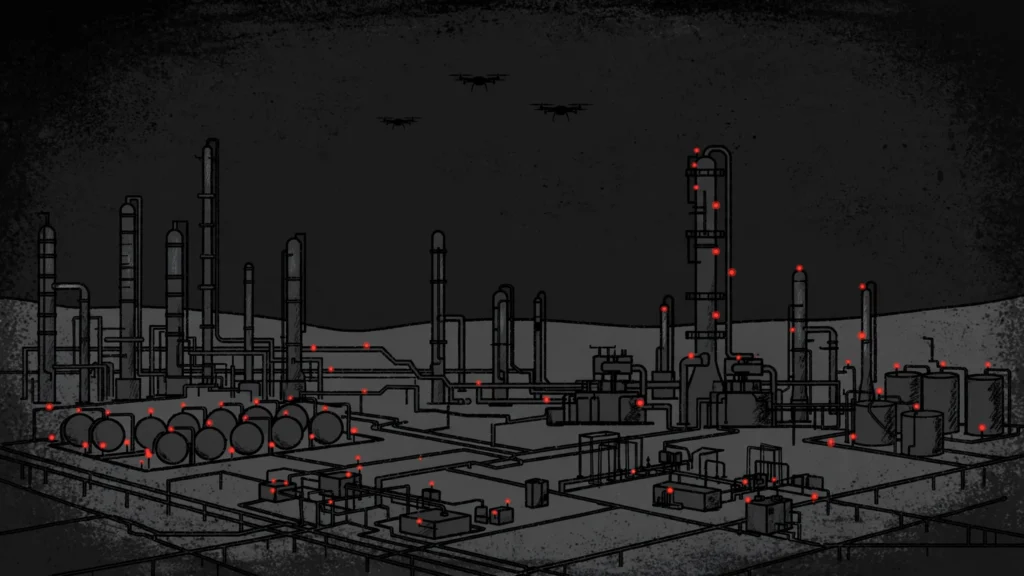
An energy ceasefire is a limited, sector-specific pause in hostilities. It would mean Ukraine stops launching drone and missile strikes on Russian oil refineries, storage facilities and gas installations, while Russia halts attacks on Ukraine’s electricity grids, power plants, heating systems and substations. It is not a full ceasefire: the rest of the war — ground fighting, strikes on military targets, territorial questions — would continue unchanged.
This is not the first time Trump has made the claim. On September 14, he announced that both sides had agreed to stop attacking each other’s energy targets — an agreement neither side ever confirmed, according to The Straits Times. Since then, both sides have kept striking energy infrastructure. Ukraine’s long-range drone campaign against Russian refineries has been central to Kyiv’s strategy of cutting the revenue Moscow uses to fund its war, while Russia has systematically targeted Ukrainian power and gas systems ahead of winter.
Why did Russia strike Kharkiv hours later?
At about 20:00 local time on October 11 — after Trump’s announcement — Zelensky said Russia struck the CHP-5 thermal power plant in Kharkiv, the country’s second-largest city. “Just now, there was a strike on CHP-5 in Kharkiv — on Kharkiv’s energy infrastructure,” he said, according to the Kyiv Independent, whose presidential office sources confirmed the attack came after the US announcement.
Zelensky also said a Russian “shahed” drone hit a power plant near Kyiv just before he spoke with European Commission President Ursula von der Leyen, causing power outages in several districts of the capital, and that strikes continued against energy facilities in the Kharkiv region. “All of this happened AFTER the President of the United States made his statement about an energy ceasefire,” he said, as reported by Times Now. Ukraine’s skies “have been infested with Russian ‘shaheds’ all day,” he added, according to Channel NewsAsia.
It remains unverified whether these strikes were ordered in defiance of the announcement, pre-planned operations already in motion, or launched before Moscow was briefed. What is established is the sequence: the announcement came first, the strikes after — a timeline the Ukrainian side has emphasised and Russia has not addressed.
By the numbers: the energy ceasefire claim
| Metric | Figure | Source |
|---|---|---|
| Announcement of “energy ceasefire” | October 11, 2026, Sunday morning (Washington time) | CONFIRMED — CNN, Al Jazeera, Straits Times |
| Russian diesel supply under US-Russia deal | 300,000+ tons immediate; more from November | REPORTED — Fox News |
| Killed in Kharkiv-area grocery store strike | 3 | CONFIRMED — Kyiv Independent, Times Now |
| Injured in the same strike | 9–22 (figures differ between outlets) | REPORTED — Kharkiv regional governor via Times Now / Kyiv Independent |
| Killed in Russian strikes, October 10–11 | 21, including 4 children | REPORTED — AFP |
| Zelensky’s tally: Russian strikes on power facilities in one week | 200+ on electricity, 17 on gas/oil | REPORTED — Zelensky’s claim via Kyiv Independent |
| EU Russia sanctions listings vote | October 12, 2026 | CONFIRMED — AFP / Kaja Kallas; see our EU sanctions coverage |
Casualty and damage figures from active conflict zones are preliminary and may be revised. Items marked CONFIRMED are corroborated by at least two independent sources; REPORTED items rest on a single outlet or an official claim.
Why did Trump announce the ceasefire now?
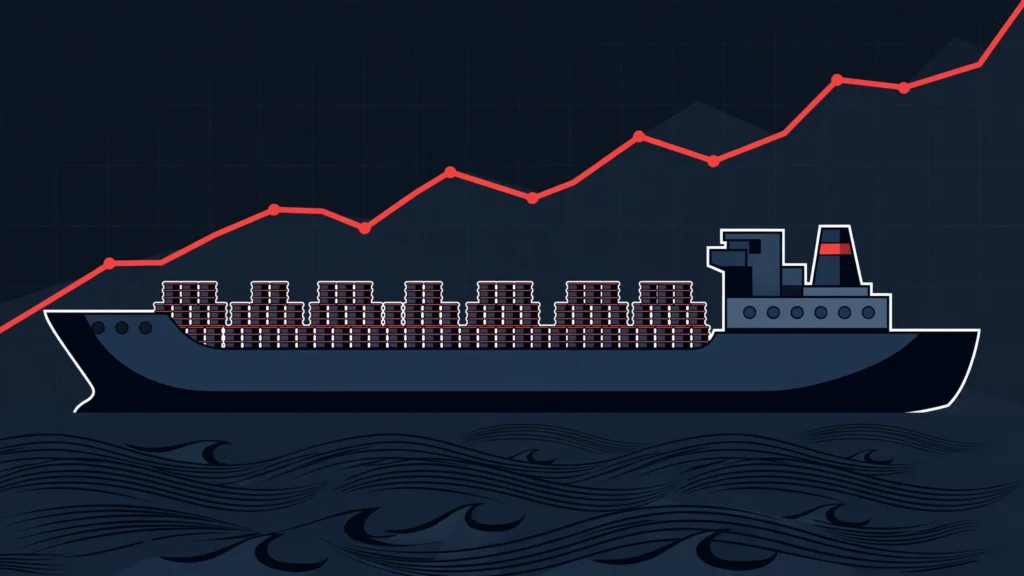
The announcement is the culmination of a week of escalating pressure on Kyiv. On October 10, Trump announced a deal with Russian President Vladimir Putin to release Russian diesel onto global markets, with the US Treasury authorising temporary sanctions relief. Trump argued the move would bring down fuel prices that have surged amid the war in Iran and Ukraine’s refinery strikes. Zelensky called the deal a “weak decision” that would prolong the war, and EU foreign policy chief Kaja Kallas said lifting sanctions on Russian diesel “provides Moscow with more revenues to wage war,” according to AFP. Kallas said EU foreign ministers would on Monday approve the biggest set of sanctions listings against Russia since the war began — we covered the 1,646 adopted listings here.
On October 10, Trump told reporters Zelensky had “better damn well stop” attacking Russian refineries and said “it’s time for Ukraine to get a new president,” AFP reported. The Financial Times reported that the US had threatened to cut off intelligence sharing and weapons procurement under the Prioritised Ukraine Requirements List (PURL) system unless Kyiv halted the refinery strikes. The motive is partly domestic: rising diesel prices threaten Trump’s Republican Party ahead of US midterm elections next month, and Ukraine’s refinery strikes have disrupted global diesel supplies, as we analysed in our Zaporizhzhia coverage and markets analysis.
Meanwhile, talks between Ukrainian and US officials — including Trump’s son-in-law Jared Kushner and special envoy Steve Witkoff — were under way in Miami, CNN reported. And on Sunday, Zelensky said he would organise Ukrainian elections if Putin agreed to a 60-day full ceasefire, telling ABC News: “Please tell Putin, give us two months, 60 days of total ceasefire… and we will organize elections,” Al Jazeera reported.
Different perspectives
Kyiv’s position is that it is prepared to halt energy strikes if Russia reciprocates — Zelensky has offered that exchange publicly. But Ukrainian officials see the sequencing as suspicious: a ceasefire announced by Washington that Moscow has not confirmed, followed by strikes on their grid within hours. The Times reported that Kyiv mayor Vitali Klitschko said the capital’s water and power grid remained under attack despite the announcement.
Moscow has not commented on the announcement at all. Russia has continued its winter strategy of targeting Ukrainian energy infrastructure — a campaign running since February 2022 that has knocked out power and heating for millions in freezing temperatures. Whether the Kremlin views Trump’s post as an agreement, a suggestion, or a surprise will determine everything.
Europe is split between endorsement and alarm. Britain’s prime minister said the UK “strongly supports” Trump’s call for a sustained energy ceasefire, while Kallas and EU capitals denounced the diesel sanctions relief as a reward for the aggressor. NATO chief Mark Rutte was among the leaders Zelensky briefed on Sunday.
What this means for US/UK/EU readers
If an energy truce held, the direct effect on Western consumers would be felt at the fuel pump: a pause in attacks on Russian refineries could ease the diesel squeeze that has pushed prices up across the US and Europe, which is precisely Trump’s stated goal ahead of the midterms. For the UK and EU, fewer strikes on Ukrainian infrastructure would also reduce the risk of another winter of grid failures that has previously sent European gas and power prices spiking.
But an announcement that is violated within hours delivers the opposite signal to markets: diesel and natural gas traders tend to price in escalation risk when agreements fail on day one. European officials are already moving the other way — the EU’s new sanctions listings target the machinery of Russia’s war economy, including the shadow fleet that keeps Russian oil flowing. Our sanctions hub tracks every round. For now, the energy ceasefire is a statement on social media, not a deal on the ground — and household fuel prices will reflect the war, not the announcement.
What to watch next
- Moscow’s response: Whether the Kremlin confirms, ignores, or rejects the announcement — and whether Russian strikes on energy infrastructure stop.
- The Kyiv grid: Whether the damage from Sunday’s strikes forces emergency measures as winter approaches.
- EU sanctions (October 12): The foreign ministers’ vote on the biggest listings round since 2022 will show whether Europe tightens pressure while Washington eases it.
- US intelligence and weapons flows: Whether the reported threat to cut PURL procurement and intelligence sharing is carried out — a step that would reshape Ukraine’s war effort.
- The Miami talks: What, if anything, Kushner and Witkoff’s meetings with Ukrainian officials produced — and whether a formal, verifiable mechanism for the energy truce emerges.
Frequently asked questions
What is the Trump energy ceasefire between Russia and Ukraine?
It is a claim by US President Donald Trump, posted on Truth Social on October 11, 2026, that Russia and Ukraine have agreed to stop attacking each other’s energy infrastructure “effective immediately.” No duration, verification mechanism, or formal document has been published, and the Kremlin has not confirmed it.
Did Russia agree to the energy ceasefire?
That is unconfirmed. Trump said “both parties have agreed,” but Moscow issued no statement, and hours after the announcement Russian forces struck a power plant in Kharkiv and energy infrastructure near Kyiv, according to President Zelensky. Ukraine said it would honour the deal if Russia did.
What happened at Kharkiv’s CHP-5 power plant?
At about 20:00 local time on October 11, a Russian strike hit the CHP-5 thermal power plant in Kharkiv, the city’s key energy facility. The strike came after Trump’s ceasefire announcement, according to the Kyiv Independent and Ukrainian officials. A separate missile strike hit a grocery store on the outskirts of Kharkiv, killing three people.
Why did Trump announce an energy ceasefire?
Trump has been pressing Ukraine to stop striking Russian oil refineries, blaming those attacks for rising global diesel prices. His Republican Party faces midterm elections next month, and he has argued that cheaper fuel requires protecting energy flows. The announcement followed a US-Russia diesel supply deal and a reported US threat to cut intelligence sharing with Kyiv.
Does the energy ceasefire end the Ukraine war?
No. Even if it held, an energy ceasefire would only stop strikes on energy infrastructure — refineries, power plants, grids and fuel facilities. Ground fighting, strikes on military targets and the territorial dispute would continue. No broader ceasefire has been announced.
Sources
- CNN: Trump claims Ukraine and Russia have agreed to energy ceasefire
- Al Jazeera: Trump says Ukraine and Russia agree to ‘energy ceasefire’
- Channel NewsAsia: Russia hits Ukraine power plants despite Trump energy ceasefire claim
- Kyiv Independent: Russia struck Kharkiv’s power plant shortly after Trump announced ‘energy ceasefire’
- The Times: Trump’s Russia-Ukraine truce is ‘news to me’, says Zelensky
- Fox News: Trump announces immediate energy ceasefire between Russia and Ukraine
- The Straits Times: Trump announces Ukraine energy ceasefire with Russia, surprising Zelenskiy
- AFP (via ETV Bharat): Trump, Zelensky clash over diesel deal as Russian strikes kill 21
- Times Now: Trump announces ceasefire, Putin strikes Ukraine’s energy lifeline hours later
Discussion 0
Share analysis, corrections, or context. Be civil — comments are moderated.