
WarBrief Live | October 13, 2026 | Geopolitics
The foreign ministers of the world’s largest economies will gather in Atlanta, Georgia, on October 30 and 31 for the g20 foreign ministers meeting atlanta 2026 — the key diplomatic staging post before December’s leaders’ summit. Hosted by US Secretary of State Marco Rubio, the two-day meeting is officially billed around economic stability, energy security and resilient supply chains, according to the State Department. With wars in Ukraine and the Middle East straining energy markets and a fresh US sanctions deadline days away, the Atlanta talks carry unusual geopolitical weight for what is normally an economics-focused forum.
Key Takeaways
- The G20 foreign ministers meet in Atlanta on October 30–31, 2026, hosted by Secretary of State Marco Rubio under the 2026 US G20 presidency.
- The official agenda centres on international cooperation, global economic challenges, open markets and resilient supply chains — with energy security and technological innovation named as shared priorities.
- Russia says it is preparing “productive participation”, with negotiations on the year’s final G20 documents in what Moscow calls an “active phase”.
- The meeting feeds directly into the December 14–15 leaders’ summit at Trump National Doral in Miami — to which Rubio says Vladimir Putin has been invited.
- Corridor diplomacy will be watched as closely as the plenary: Rubio met Sergei Lavrov on the UN General Assembly sidelines on September 23.
What is on the agenda in Atlanta?
The State Department’s May 18 media note says the meeting will “advance the G20’s core mission of promoting global stability and prosperity”, with discussions focused on strengthening international cooperation, addressing global economic challenges, and supporting open markets and resilient supply chains. A follow-up media logistics note named the shared priorities more sharply: economic prosperity, energy security, and technological innovation.
Washington has also narrowed the 2026 presidency’s agenda to economic growth, regulatory relief, energy security and technological innovation, according to a summary of the US chairmanship published by Caliber.Az citing Russia’s G20 envoy. That framing — economics first, geopolitics handled in the corridors — will be tested in Atlanta, where ministers arrive with a loaded in-tray: the dispute over the EU’s latest Russia sanctions package, the Graham Act sanctions deadline on October 18, and the fallout from President Trump’s October 11 “energy ceasefire” announcement between Russia and Ukraine.
Who will be in the room?
No official attendance list has been published, so confirmed names are limited. What is known: Rubio chairs as host. Japan will be closely coordinated with Washington — Rubio and Japanese Foreign Minister Motegi spoke on October 10 and pledged close coordination ahead of the Atlanta meeting, according to a State Department readout.
Russia intends to show up. Ambassador-at-large Marat Berdyev, Moscow’s G20 envoy, wrote on Telegram in August that Russia was preparing for “productive participation” in the autumn ministerial meetings, adding that negotiations on the year’s final documents had entered an “active phase”, with intensive coordination underway in the sectoral tracks on innovation and energy, Caliber.Az reported. Whether Sergei Lavrov attends in person has not been confirmed.
One clarification: when Rubio said the US had invited Vladimir Putin to the G20, he meant the December leaders’ summit in Miami — not the Atlanta ministerial. “We’ve invited President Putin to the G20. We think it’s an opportunity for him to engage not just with the president, but with other world leaders,” Rubio said on the UN General Assembly sidelines on September 23, Al Jazeera reported. The G20 itself brings together 19 countries plus the African Union and the European Union — including the United States, India, China, Russia, Japan, Germany, France, Brazil, Saudi Arabia and South Korea — representing about 85% of global GDP and nearly two-thirds of the world’s population, according to The Hindu.
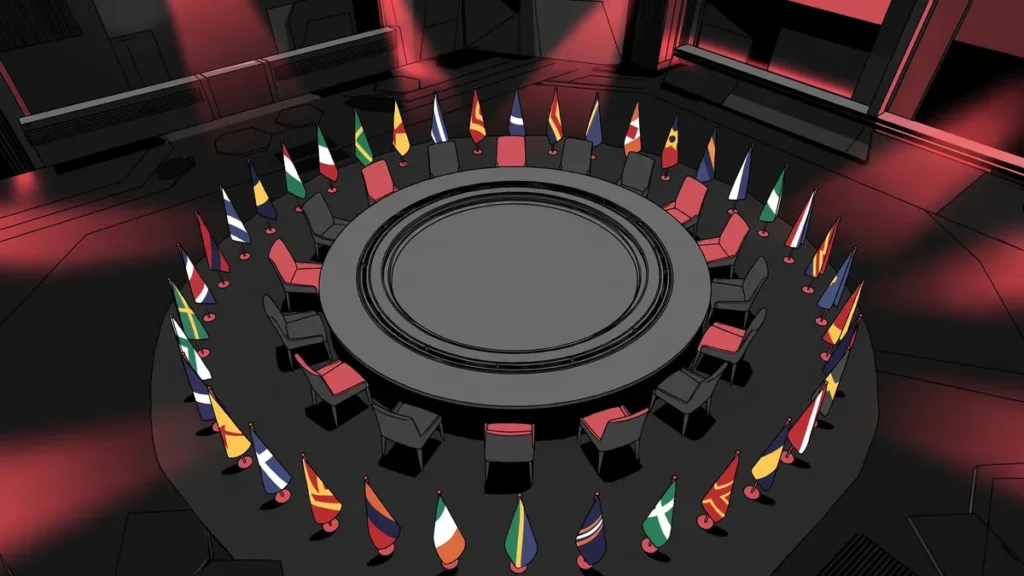
G20 Atlanta 2026: by the numbers
| Metric | Figure | Source / status |
|---|---|---|
| Meeting dates | October 30–31, 2026 | CONFIRMED — US State Department |
| Host city | Atlanta, Georgia | CONFIRMED — US State Department |
| Chair | Secretary of State Marco Rubio | CONFIRMED — US State Department |
| G20 share of global GDP | ~85% | CONFIRMED — The Hindu |
| G20 share of world population | ~two-thirds | CONFIRMED — The Hindu |
| Leaders’ summit | December 14–15, Trump National Doral, Miami | CONFIRMED — US State Department |
| Media credential deadline | August 21, 2026 | CONFIRMED — US State Department |
| Russia’s stated posture | “Productive participation”; final-document talks in “active phase” | REPORTED — Russian G20 envoy via Telegram (single official source) |
| Putin invitation | Invited to the December leaders’ summit, Rubio said | REPORTED — Rubio statement via Al Jazeera, September 23 |
Figures marked CONFIRMED are corroborated by official or multiple reputable sources; REPORTED items rest on a single official statement and remain subject to change.
Background and timeline
- January 26, 2026: Russian G20 envoy Marat Berdyev announces on Telegram that Atlanta will host the October 30–31 ministerial, per the US chairmanship.
- May 18, 2026: The State Department formally announces Rubio will host the meeting in Atlanta, and that President Trump will host the leaders’ summit on December 14–15 at Trump National Doral in Miami during the United States’ 250th anniversary year.
- July 21, 2026: The State Department publishes media logistics: shared priorities of economic prosperity, energy security and technological innovation; press credentials due by August 21.
- August 11, 2026: Berdyev says Russia is preparing productive participation and that final-document negotiations are in an active phase, listing the autumn ministerial calendar.
- September 23, 2026: Rubio meets Lavrov on the UNGA sidelines in New York — the State Department’s two-sentence readout says they discussed the Russia-Ukraine war and the bilateral relationship. Rubio separately says Putin has been invited to the December G20 summit.
- October 10, 2026: Rubio and Japan’s Foreign Minister Motegi speak by phone and pledge coordination ahead of Atlanta.
- October 30–31, 2026: G20 foreign ministers’ meeting, Atlanta.
- December 11–12, 2026: Sherpa meeting IV, Miami — followed by the leaders’ summit on December 14–15.
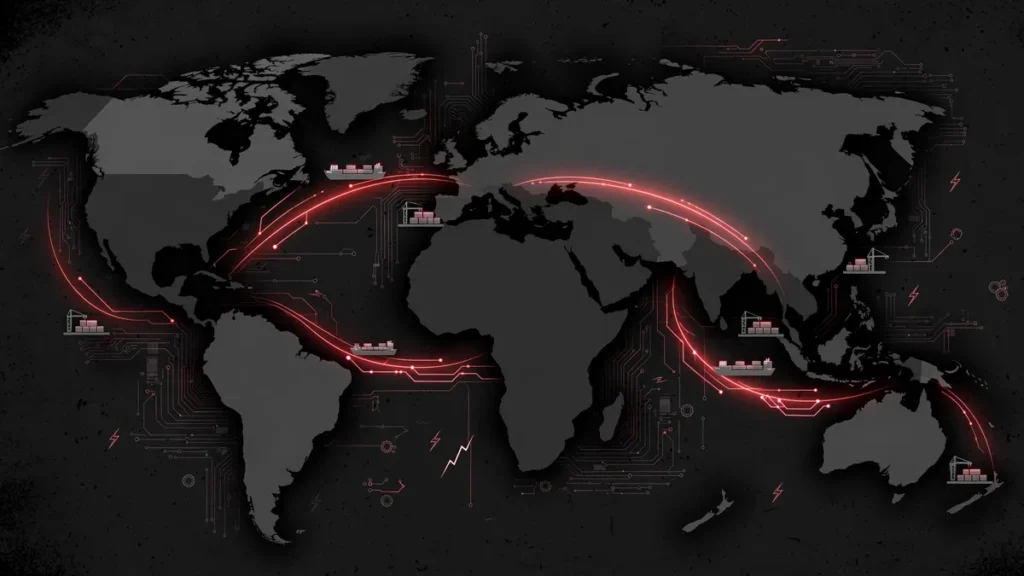
Why the Atlanta meeting matters now
Formally this is an economics ministerial. In practice, the ministers will be negotiating in the shadow of three live crises tracked on our conflict-zones hub. First, energy: Trump’s October 11 declaration of an “energy ceasefire” between Russia and Ukraine — followed within hours by Ukrainian accusations of fresh Russian strikes on energy infrastructure — has made energy security more than an agenda slogan. Second, sanctions: the EU’s newest Russia sanctions and the Graham Act’s October 18 deadline in Washington mean Atlanta convenes just as the West’s economic pressure campaign enters a decisive fortnight. Third, the Gulf: the EU-GCC summit in Riyadh gives European ministers fresh Gulf-state readouts on oil markets and the Iran war to bring to the table.
The 2026 US presidency has deliberately kept the formal agenda narrow — growth, deregulation, energy, innovation — which leaves the hard geopolitics to bilateral pull-asides. The Rubio–Lavrov channel, reopened in New York, and the open question of Putin’s December attendance give Atlanta an importance beyond its communiqué.
What this means for US/UK/EU readers
Fuel and heating bills: with energy security an official priority and diesel markets already volatile after the Trump–Putin diesel arrangement, any signal from Atlanta on coordinated energy policy will feed straight into winter fuel prices on both sides of the Atlantic. Prices at the till: “resilient supply chains” is summit-speak for the cost and reliability of imported goods — progress here matters for inflation. Markets: sanctions coordination between the US, EU and G20 partners moves commodity and currency markets; traders will parse the closing statements closely. Travel: Atlanta will see heightened security and road closures around the meeting venues — the State Department’s logistics note flagged closures and credential-only media zones, so travellers should expect disruption in the city on October 30–31.
Different perspectives
Washington wants a disciplined, economy-first ministerial that showcases the US presidency and builds momentum toward the December summit in the 250th anniversary year — with deregulation and energy security as the headline themes. Moscow, via Berdyev, is signalling constructive engagement: “mutually respectful and productive discussion… in the spirit of finding solutions rather than confrontation”, while insisting the G20 remains primarily an economic forum. US allies — Japan coordinating closely ahead of the meeting, the EU arriving with new sanctions in hand and fresh Gulf diplomacy behind it — will press to keep Ukraine and energy coercion on the agenda even where the formal programme does not name them.
What to watch next
Three things will define whether Atlanta matters. First, attendance: confirmation of Lavrov’s travel plans, and which foreign ministers hold bilateral meetings with Rubio on the margins. Second, the documents: whether months of “active phase” negotiation produce a consensus chair’s summary — and whether it says anything at all about Ukraine, energy infrastructure attacks, or the Iran war. Third, the runway to December: the Sherpa meeting in Miami on December 11–12, and whether Putin accepts the invitation to sit down with Trump and other leaders on December 14–15.
Frequently asked questions
When and where is the G20 foreign ministers’ meeting?
It takes place on October 30–31, 2026, in Atlanta, Georgia, hosted by the United States under its 2026 G20 presidency, according to the State Department.
Who is hosting the Atlanta G20 meeting?
US Secretary of State Marco Rubio will chair the meeting, which brings together the foreign ministers of the world’s leading economies.
What will the ministers discuss?
The official agenda covers international cooperation, global economic challenges, open markets and resilient supply chains. The US presidency has named economic prosperity, energy security and technological innovation as shared priorities.
Will Vladimir Putin attend the Atlanta meeting?
No — Rubio’s invitation was to the G20 leaders’ summit in Miami on December 14–15, not the foreign ministers’ meeting. Russia would normally be represented in Atlanta by Foreign Minister Sergei Lavrov, but no attendance list has been published.
How does the Atlanta meeting relate to the December summit?
Atlanta is the ministerial staging post: it is meant to narrow disagreements and prepare the ground for the Sherpa meeting in Miami (December 11–12) and the leaders’ summit at Trump National Doral (December 14–15).
Sources
- US Department of State: The United States to Host G20 Foreign Ministers’ Meeting in Atlanta, Georgia (May 18, 2026)
- US Department of State via MENAFN: Media Logistics for the G20 Foreign Ministers’ Meeting in Atlanta (July 21, 2026)
- Caliber.Az: Russia set to participate in upcoming G20 high-level meetings (August 11, 2026)
- Al Jazeera: Trump administration invites Putin to attend G20 summit in Miami (September 23, 2026)
- The Hindu: US to host G20 foreign ministers’ meet in Atlanta on October 30-31 (May 19, 2026)
- IBG News: Rubio, Japan’s Foreign Minister Motegi reaffirm strategic alliance in phone call (October 11, 2026)
- G20 Information Centre (University of Toronto): G20 Meetings of Foreign Ministers
Discussion 0
Share analysis, corrections, or context. Be civil — comments are moderated.