
WarBrief Live | November 23, 2026 | Breaking Analysis
$92.29
Brent crude at 07:16 PKT on Monday, down 28 cents
$140
Brent in Goldman’s bullish 2027 scenario — if Gulf output stays 3.5m bpd below 2025
$105
Goldman’s December Brent forecast, raised from $90
-20%
Brent’s fall so far this month
The Brent crude oil price barely moved on Monday, November 23, 2026, despite a weekend of Houthi attacks, tanker incidents and strikes in Bahrain. Brent traded at $92.29 a barrel at 07:16 PKT, down 28 cents, and at $92.67 by 09:23 PKT — essentially flat. The market’s verdict is that, for now, ample supply and a $25-to-$30-a-barrel war-risk premium already in the price matter more than the weekend’s attacks.
Key Takeaways
- Brent traded at $92.29 a barrel at 07:16 PKT on Monday, down 28 cents (0.30%), and WTI at $83.26, down 15 cents. By 09:23 PKT Brent was at $92.67, up 10 cents — essentially flat on the day, with the direction depending on the snapshot time.
- Brent closed 0.6% higher on Friday, then fell 3.4% last week, and has shed about a fifth of its value this month, according to CNBC TV18 and The Edge Singapore.
- Goldman Sachs, earlier this month and cited on Monday, raised its December Brent forecast to $105 a barrel from $90, and WTI to $94 from $81. In a more bullish scenario, Brent could touch $140 a barrel in 2027 and average about $130 if Gulf oil production remains 3.5 million barrels a day below its 2025 average.
- The International Energy Agency forecast a roughly 2-million-barrel-a-day surplus this quarter, and Goldman also flagged a glut risk next year. OPEC+ ministers meet on November 29 to set production policy for 2027.
A flat market after a violent weekend
Brent crude traded at $92.29 a barrel at 07:16 PKT on Monday, down 28 cents (0.30%), with WTI at $83.26, down 15 cents (0.18%), Reuters reported. By 09:23 PKT Brent was at $92.67, up 10 cents, and WTI at $83.57 — essentially flat, with the direction depending on the snapshot time. The Wall Street Journal had Brent at $92.13 in early European trading, down 0.5%.
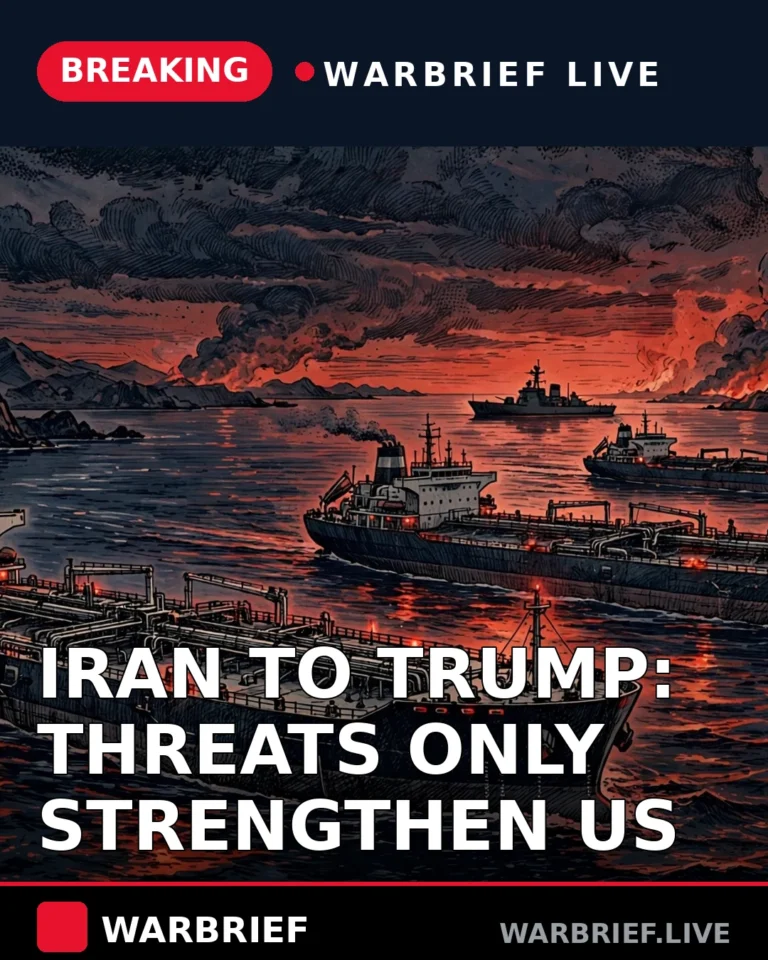
The flat price is the story. Crude shipments continue to leave the Gulf despite frequent tanker attacks; Iran struck Bahrain again over the weekend; and the Houthis kept targeting Saudi Arabia — including the claimed strike on the Rabigh refinery reported on Sunday, which Saudi authorities have not confirmed. For that claim, see our briefing on the Houthis claiming a direct hit on Saudi Arabia’s Rabigh oil refinery. For the wider shipping war, see our briefing on the three tankers struck in the Strait of Hormuz.
Goldman’s $105 call — and the $140 scenario
Goldman Sachs, earlier this month and cited on Monday, raised its December Brent forecast to $105 a barrel from $90, and WTI to $94 from $81. In a more bullish scenario, Brent could touch $140 a barrel in 2027 and average about $130 if Gulf oil production remains 3.5 million barrels a day below its 2025 average. That $140 figure is a scenario forecast, not a prediction of today’s price — it applies only if Gulf production stays 3.5 million barrels a day below the 2025 average.
Commonwealth Bank economist John Oh, quoted on Monday, said the market is pricing a $25-to-$30-a-barrel premium on concerns US-Iran fighting can escalate, yet “current flows out of the Middle East should see global oil inventories build”. The International Energy Agency forecast a roughly 2-million-barrel-a-day surplus this quarter, and Goldman also flagged a glut risk next year. The tension between the two forces — war risk pushing prices up, surplus supply pushing them down — is why Brent has shed about a fifth of its value this month even as the war escalated.
Confirmed vs reported
Confirmed: Monday’s Brent and WTI prices and moves, with times; Brent’s 0.6% Friday gain, 3.4% weekly fall and roughly 20% monthly fall; Goldman’s raised December forecasts ($105 Brent, $94 WTI) and the $140 scenario with its condition; the IEA’s roughly 2-million-barrel-a-day surplus forecast; the OPEC+ meeting on November 29.
Reported, not confirmed: the $140 figure as a price prediction — it is a scenario, conditional on Gulf output staying 3.5 million barrels a day below its 2025 average. An Invezz analysis cited on Monday put insurance for a Hormuz transit at over $60 million today, up from $56,000 before the war — single analytical source, reported analysis, not a confirmed market price. The Houthi claim of a direct hit on the Rabigh refinery, which feeds part of the risk premium, is itself unconfirmed.
What happens next
Watch the OPEC+ meeting on November 29, when ministers set production policy for 2027 — the decision that will test Goldman’s glut warning against the war premium. And watch the Gulf itself: any confirmed interruption to a major export terminal, or a tanker actually stopped at the blockade line, would move the price far faster than another weekend of claims.
Sources
Reuters; CNBC TV18; The Economic Times; The Wall Street Journal; Channel NewsAsia.

Discussion 0
Share analysis, corrections, or context. Be civil — comments are moderated.