
WarBrief Live | November 22, 2026 | Breaking Analysis
3
Russian weapons that came down in southeastern Poland on November 20
~3
Minutes the Kh-101 cruise missile spent over Polish territory
23
November — date of the extraordinary North Atlantic Council meeting
0
Injuries and infrastructure damage recorded in Poland
Update: NATO Secretary General Mark Rutte visited Warsaw on Saturday, November 21, 2026, a day after three Russian weapons came down in southeastern Poland during Russia’s largest air attack on Ukraine that month. “I can guarantee that NATO will defend every inch of Polish territory,” Rutte said, calling the incident “clearly dangerous” and “a consequence of Russia’s ongoing war against Ukraine”. This briefing updates our report on the Russian missiles that landed in Poland during NATO drills with the new developments of November 21.
Key Takeaways
- Rutte visited Warsaw on November 21 and guaranteed NATO would defend every inch of Polish territory. He said NATO’s Supreme Allied Commander Europe, Gen. Alexus Grynkewich, would examine gaps in allied defences and adjust them.
- Poland will present proposals to strengthen protection of its eastern border at an extraordinary North Atlantic Council meeting in Brussels on November 23, represented by Deputy Defence Minister Paweł Zalewski.
- Poland has not formally invoked NATO Article 4. It has requested consultations and additional air-defence assets — AWACS aircraft and F-35 jets — under Operation Eastern Sentry.
- Lublin prosecutors identified the Nowy Lipowiec object as a Russian Kh-101 cruise missile, which they said was produced in Russia in the fourth quarter of 2026. No injuries and no infrastructure damage were recorded in Poland.
What Rutte said in Warsaw
Rutte’s visit came a day after the landings, which happened on the VIP day of Exercise Koalicja, the 11-nation Coalition of the Willing exercise at Nowa Dęba. Defence ministers from Britain, France, Estonia, Lithuania and Poland were touring the training site that day. Rutte said the timing of the incursion was “clearly dangerous” and that NATO’s top commander in Europe would review allied defences for gaps.
Prime Minister Donald Tusk, who has called the incursion an apparent intentional provocation timed to the exercise, said he had spoken with Rutte and that the NATO chief agreed the timing “does not seem to be a coincidence”.
The investigation so far
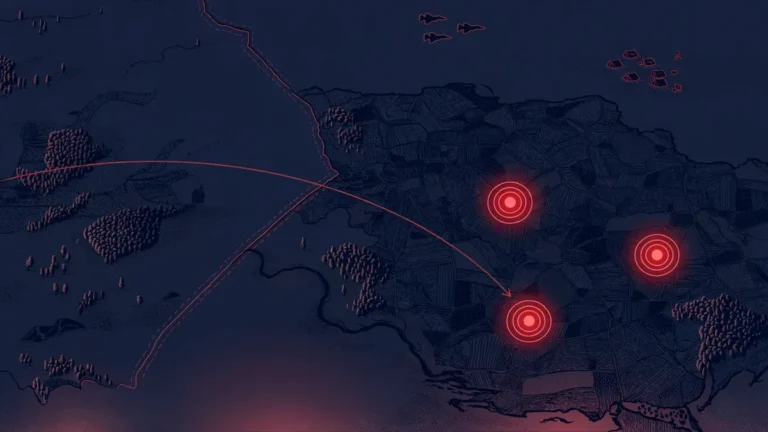
Polish prosecutors in Lublin have identified the object that came down near Nowy Lipowiec, about 50 kilometres from the Ukrainian border, as a Russian Kh-101 cruise missile produced in Russia in the fourth quarter of 2026. The missile spent about three minutes over Polish territory. A Swedish Gripen pilot had NATO clearance to engage but could not visually identify the suspected Kh-101 in poor weather, so no weapons were fired.
The second missile, near Rudnik nad Sanem, and the jet-powered drone near Mołodycz are still described by Polish officials as probable or suspected, not positively identified. Eleven objects were tracked overnight as potential threats. No injuries and no infrastructure damage were recorded in Poland.
Confirmed vs reported
Confirmed: Rutte’s guarantee and Warsaw visit on November 21; the North Atlantic Council meeting on November 23; Zalewski to represent Poland; no Article 4 invocation; the Kh-101 identification and its production date, per Lublin prosecutors; no injuries or damage in Poland.
Reported, not confirmed: whether the incursion was deliberate. Tusk called it an apparent intentional provocation; President Trump had said earlier incursions were “by mistake”; the Institute for the Study of War assesses the firing was deliberate. The second missile and the drone remain probable or suspected, not positively identified.
What happens next
Poland presents its proposals at the extraordinary North Atlantic Council meeting in Brussels on Monday, November 23. Watch for the outcome of Gen. Grynkewich’s defence review and for any announcement of additional NATO air-defence assets for Poland’s eastern border. Estonia’s decision to close its Russia border from December 1, covered in our briefing on the Estonia border closure, shows the same hardening across NATO’s eastern flank.
Sources
BBC; Polish Press Agency (PAP); Agence France-Presse; Lublin prosecutors; NATO.
Discussion 0
Share analysis, corrections, or context. Be civil — comments are moderated.