
WarBrief Live | November 7, 2026 | Breaking Analysis
7m tonnes/yr
Design capacity of the Saratov refinery (Rosneft)
172 + 36
Drones and ballistic missiles Russia fired at Kyiv overnight
$98.32
Brent’s Friday settle — down 16% on the week
411
UAVs Russia claims it shot down overnight (reported)
Ukraine struck the Saratov oil refinery and three other Russian sites overnight on November 7, 2026, and Russia answered with a massive missile and drone barrage on Kyiv. Here is what is confirmed, what is only reported, and what it means for fuel and oil prices.
The overnight exchange was the sharpest in weeks on both sides of the energy war: Kyiv’s deep-strike campaign hit another refinery, while Moscow’s retaliation damaged a bridge across the Dnipro and substations feeding Kyiv from two nuclear power plants. Neither side’s claims about the damage have been independently verified, and the market’s first reaction was a shrug — Brent crude barely moved.
Key Takeaways
- Ukraine hit the Saratov Oil Refinery, the Proton electronics plant in Oryol, the Almaz factory in Rostov and sites in Belgorod overnight on November 6–7, 2026.
- Russia answered with 172 drones and 36 ballistic missiles aimed at Kyiv, damaging the Northern Bridge and substations linking two nuclear plants to the capital.
- The Saratov plant is a repeat target: it was struck in May, July, August and September 2026, and Reuters reported it suspended operations after the September hit.
- Brent crude settled at $98.32 a barrel on Friday, down more than 16% on the week — traders are pricing the Iran war premium, not the refinery campaign, for now.
What happened at the Saratov refinery on November 7, 2026?
Ukrainian drones struck the Saratov Oil Refinery in the early hours of Saturday, November 7, setting several fires on the site, according to the Kyiv Independent, which cited Ukraine’s General Staff and monitoring channels. The outlet said the details could not be immediately verified. Videos published by the monitoring channel Exilenova Plus showed a glow over the industrial area, and the independent Russian outlet ASTRA assessed from the footage that the refinery was on fire.
Saratov Region Governor Roman Busargin wrote on Telegram that several residential buildings in the city were damaged in the drone attack. An air-raid alert was issued at 02:42, flights at Saratov airport were suspended, and sirens sounded at least twice during the night. Early reports differed on casualties, and no confirmed casualty figure had been published by midday.
The plant matters because of what it is. The Saratov refinery belongs to the state oil company Rosneft and is one of Russia’s oldest refining enterprises. It has a design capacity of about 7 million tonnes of crude a year — roughly 140,000 barrels a day — and processed 5.8 million tonnes in 2024, about 2.2% of Russia’s total refining output. Ukraine’s General Staff says the plant supplies fuel and lubricants to the Russian army, which is why Kyiv treats it as a legitimate military target. Our earlier analysis of Ukraine’s drone war on Russian refineries explains how the campaign feeds into fuel shortages and rising prices inside Russia.
What else was hit in the overnight attacks?
Saratov was one of four reported targets. In Oryol, Ukrainian missile units struck the Proton-Elektroteks electronics plant with Neptune cruise missiles, according to Ukraine’s General Staff, which said the strike caused direct hits, secondary detonations and a structural fire. The plant, which makes components for the defence industry, was previously hit on October 23 by Storm Shadow cruise missiles, Militarnyi reported.
In Rostov, a fire broke out at the Almaz military factory, and explosions were reported in Belgorod, the Kyiv Independent reported. A day earlier, on the night of November 6, drones set the Afipsky refinery in Krasnodar Krai alight. Russia’s defence ministry said its air defences intercepted and destroyed 411 Ukrainian drones overnight — a claim that has not been independently verified.
Some monitoring channels reported that Ukraine used Flamingo cruise missiles in some of the attacks. That claim comes from monitoring channels, not from an official statement, and should be treated as reported, not confirmed.
What happened in Kyiv overnight?
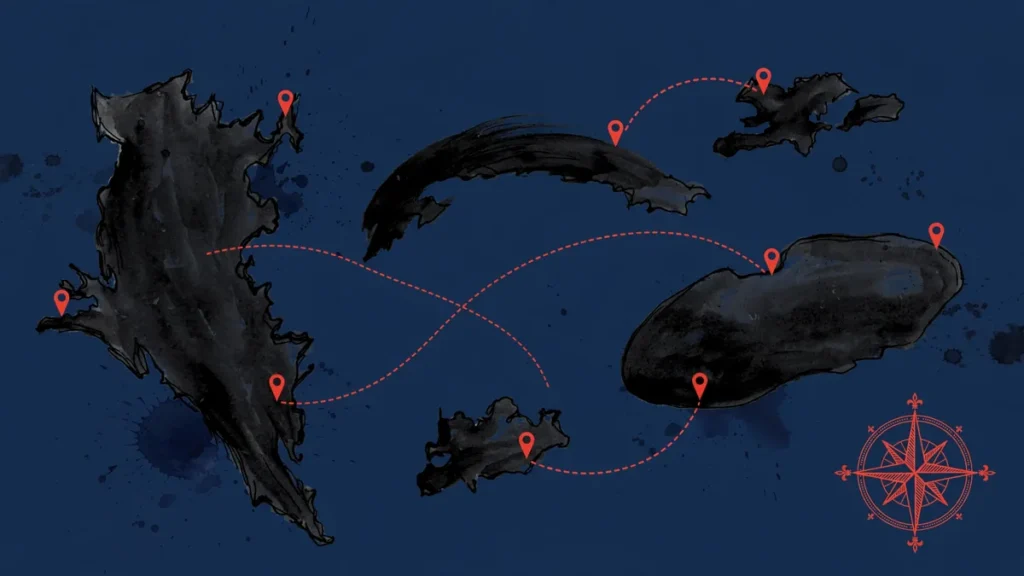
Russia’s answer came within hours. On the night of November 6–7, Russian forces launched a combined attack of 172 drones and 36 ballistic missiles, with Kyiv and Kyiv Oblast as the main target, according to Ukraine’s Air Force. The missiles included Iskander-M, Tsirkon, KN-23 and S-400 types. By 09:00, air defences had destroyed or jammed four missiles and 149 drones, the Air Force said; hits were recorded at 24 locations and falling debris at 10 more.
Several missiles struck the Pivnichnyi (Northern) Bridge in Kyiv, damaging the road surface, trolleybus wires and a power transmission line, Mayor Vitali Klitschko said. Reuters reported that Russia’s defence ministry said its forces hit the bridge — which it claimed was being used to move weapons and military equipment — and the Meridian plant, which Moscow says produces Flamingo cruise missiles, as well as a power plant, a substation and a munitions facility.
The energy damage was the most serious part of the attack. Substations connecting the Rivne and Khmelnytskyi nuclear power plants to Kyiv and Ukraine’s central regions were struck, President Volodymyr Zelenskyy said. Chernihiv was left completely without power, and Kyiv’s mayor described an “extremely difficult” situation for power, heating and water, with temperatures near freezing. One person was killed and eight people, including a child, were wounded in Kyiv, according to city officials.
The timing matters. The strikes came three days before US-led Ukrainian-Russian talks were due to open in Abu Dhabi, and a day after Zelenskyy warned that Russia was preparing new attacks on energy targets, bridges and other infrastructure.
Why the refinery campaign matters for Russian fuel
The Saratov strike is not a one-off. The refinery was attacked in May, July, August and September 2026, and Reuters reported in September that the plant had again been forced to suspend operations after being damaged. Ukraine’s campaign against Russian refineries has been running all year, and it works by attrition: each shutdown takes refining capacity offline for days or weeks while repairs are made, and the cumulative effect is a tighter domestic fuel market.
The tempo is rising again. The Novokuibyshevsk refinery was hit on October 30 after a two-week pause in the campaign, and the November 7 attacks — Saratov, Oryol, Rostov and Belgorod, on top of the Afipsky fire on November 6 — show the pause is over.
What is not yet known is how badly Saratov was damaged this time. No official damage assessment had been published by midday on November 7, and the extent of the fires’ impact on operations was still being assessed. That is the number to watch: a short fire is a headline, a shutdown is a supply event.
What does the Saratov strike mean for oil prices?
For now, almost nothing. Brent crude settled at $98.32 a barrel on Friday, November 6, up 3 cents on the day, and US West Texas Intermediate settled at $90.83, up 31 cents, according to CNBC. Brent lost more than 16% over the week, falling from $117.64 the previous Friday, as traders priced in hopes of a US-Iran deal and a cooling of the war premium. On November 5, Brent had traded as low as $94.62, as we reported at the time.
The muted reaction tells its own story. The refinery campaign squeezes Russian domestic fuel, not global crude supply, and Russian crude exports have continued through the campaign. What moves Brent is the Iran war premium: the US strikes on Qeshm Island, the Qatari mediation proposal and the prospect of a deal. The refinery war is a slow grind; the Iran war is the price driver. Our analysis of the Hormuz risk premium explains how that premium is built and how fast it can unwind.
That could change if the campaign starts hitting export volumes rather than domestic supply, or if a major refinery is knocked out for months rather than days. Neither has happened yet, and the market knows it.
| Metric | Figure | Source | Status |
|---|---|---|---|
| Saratov refinery design capacity | ~7m tonnes/yr (~140,000 bpd) | Kyiv Post / Militarnyi | CONFIRMED |
| Saratov output, 2024 | 5.8m tonnes (~2.2% of Russian output) | h.ua | CONFIRMED |
| Brent, Friday settle | $98.32 (+$0.03) | CNBC | CONFIRMED |
| WTI, Friday settle | $90.83 (+$0.31) | CNBC | CONFIRMED |
| Brent, weekly move | Down 16%+ from $117.64 | FinanceFeeds / CNBC | CONFIRMED |
| Drones and missiles fired at Kyiv | 172 + 36 | Ukrainian Air Force | CONFIRMED |
| Kyiv casualties | 1 killed, 8 wounded | Kyiv city officials | CONFIRMED |
| UAVs Russia claims intercepted | 411 | Russian defence ministry | REPORTED |
| Flamingo missiles used | Claimed by monitoring channels | Exilenova Plus | REPORTED |
Figures marked CONFIRMED are corroborated by two or more sources. Figures marked REPORTED come from a single source or a party to the conflict and have not been independently verified.
What the Saratov strikes mean for US, UK and EU readers
Fuel prices: no immediate shock at the pump. Brent at $98.32 is well below the $117 level of a week ago, and the refinery campaign has not lifted global crude. If you drive in the UK or the EU, the more relevant pressure is diesel: Russia’s refining strain and Europe’s diesel imports are linked, and sustained refinery outages tend to show up in diesel first.
Energy security: the night’s exchange was a reminder that both sides are now targeting energy systems in winter. Ukraine’s grid and Russia’s refineries are both under sustained attack, and the damage accumulates faster in freezing temperatures. Households in Kyiv face power, heating and water cuts; Russian regions face fuel disruption.
Travel and markets: Saratov airport suspended flights during the attack, but the disruption was local. For markets, the dates that matter next are Tuesday, November 10, when the US publishes October inflation data, and Wednesday, November 11, when OPEC publishes its monthly oil market report. Both will move Brent more than the Saratov fire did.
This article is educational and is not financial advice.
What to watch next in the refinery campaign
- The damage assessment for Saratov: whether the plant suspends operations, as it did in September, or keeps running.
- The tempo of Ukraine’s strikes: the November 7 attacks followed the October 30 Novokuibyshevsk strike and the November 6 Afipsky fire — three hits in eight days.
- Russia’s retaliation pattern: whether the Kyiv barrage is the start of another sustained campaign against Ukraine’s power grid, as in previous winters.
- The Abu Dhabi talks, due to open in three days, and whether either side’s overnight attacks harden positions before they begin.
- Brent’s reaction when markets reopen on Sunday evening, and the US inflation data on Tuesday.
Read next: our Conflict Zones hub tracks the war’s active fronts, and our oil price coverage follows the Iran war premium day by day.
Frequently asked questions
Did Ukraine strike the Saratov oil refinery on November 7, 2026?
Yes. Ukrainian drones struck the refinery overnight on November 6–7 and fires broke out on the premises, according to the Kyiv Independent and monitoring channels. The full extent of the damage had not been confirmed by midday on November 7.
What is the Saratov oil refinery?
A Rosneft refinery and one of Russia’s oldest, with a design capacity of about 7 million tonnes of crude a year. It processed 5.8 million tonnes in 2024, about 2.2% of Russia’s total refining output. Ukraine’s General Staff says it supplies fuel and lubricants to the Russian army.
Was the Proton plant in Oryol hit with Neptune missiles?
Ukraine’s General Staff said its missile units used Neptune cruise missiles against the Proton-Elektroteks plant in Oryol, confirming direct hits, secondary detonations and a structural fire. The plant was previously struck on October 23.
How did Russia respond to the attacks?
With a combined attack of 172 drones and 36 ballistic missiles aimed at Kyiv and Kyiv Oblast, damaging the Northern Bridge and power substations. One person was killed and eight wounded in Kyiv, according to city officials.
Did the strikes move oil prices?
Barely. Brent crude settled at $98.32 a barrel on Friday, November 6, up 3 cents on the day and down more than 16% on the week. Traders are pricing the Iran war premium and the prospect of a deal, not the refinery campaign, for now.
Sources
- Kyiv Independent: Ukraine strikes Saratov oil refinery in mass attack on several regions, reports say
- Kyiv Post: Drones Strike Saratov Refinery, Missiles Hit Oryol Plant
- Reuters: Russia says it hit targets in and around Kyiv in massive overnight strike
- Ukrainska Pravda: Russia launches combined missile and drone attack on Ukraine, with Kyiv Oblast the main target
- Militarnyi: Missile and UAV Strikes: Ukrainian Forces Hit Proton Plant in Oryol and Saratov Oil Refinery
- FinanceFeeds: Brent Crude Oil Price: $98.32 After 16% Weekly Drop
- Liveuamap: Russian strikes on Kyiv and other regions, November 7, 2026


Discussion 0
Share analysis, corrections, or context. Be civil — comments are moderated.