
WarBrief Live | October 16, 2026 | Geopolitics
Moscow is about to host the biggest Russia-Africa gathering in three years. The third Russia-Africa Summit lands in the Russian capital on October 28–29, 2026, and this edition of the russia africa summit october 2026 arrives with far higher stakes than the last: Russian paramilitary forces are fighting openly in the Sahel, Moscow is courting African votes in a sanctions-ravaged economy, and African leaders are asking a blunt question — what does the continent actually get back? Here is what is confirmed about the dates, the agenda, who is attending, and why it matters well beyond Moscow.
Key Takeaways
- The third Russia-Africa Summit is confirmed for October 28–29, 2026, in Moscow, formalized by Presidential Decree No. 194 signed on March 25, 2026.
- More than 30 African states have confirmed attendance, including Kenya, Ghana, Rwanda, Egypt and Ethiopia, with nuclear energy, grain, fertilizers and payment systems on the official agenda.
- The last summit (St Petersburg, 2023) drew 49 African delegations but only 17 heads of state; the 2019 pledge to double Russia-Africa trade to $40 billion was missed — trade sits near $18 billion, according to Chatham House.
- Russia’s Africa Corps is now an open military presence in Mali and Niger, making the Sahel the summit’s hardest security question.
- Critics note the summit has never once been held on African soil — all three editions take place in Russia.
What is the Russia-Africa Summit — and why does Moscow host it?
The Russia-Africa Summit is Moscow’s flagship forum for doing diplomacy, business and security deals with the African continent. The first edition took place in Sochi in 2019, drawing 45 of Africa’s 54 countries at head-of-state or head-of-government level. The second followed in St Petersburg in July 2023. Each summit runs alongside the Russia-Africa Economic and Humanitarian Forum, a trade-fair-style venue where state companies sign contracts on the sidelines of the political program.
For Moscow, the forum is one of the few remaining multilateral stages where it can present itself as a great-power broker after its isolation over the war in Ukraine. For African governments, it is a marketplace for arms, grain, fertilizer, nuclear technology and diplomatic leverage — played alongside parallel suitors from Washington, Brussels, Beijing and the Gulf. The official summit site describes the 2026 edition around trade, investment, peaceful nuclear energy, payment systems, digitalization and food security, and lists four business-program tracks: sovereignty as a foundation for development, a “sovereign world order” economy, social and humanitarian cooperation, and technology and innovation.
When and where is the 2026 Russia-Africa Summit?
The 2026 summit is scheduled for October 28–29, 2026, in Moscow. The dates and venue are not rumor: Russian President Vladimir Putin signed Presidential Decree No. 194 on March 25, 2026, formally designating Moscow as the host and appointing presidential aide Yuri Ushakov as chairman of the organizing committee, as reported by Izvestia. The decree is also visible in Russia’s official legal records.
The date was further confirmed in a joint statement from AU–Russia high-level consultations, and African governments are already announcing their delegations: Kenya’s foreign minister confirmed participation, Ghana’s President John Mahama is expected, and Rwanda will attend “at the highest level.” Russian analysis puts total confirmations at more than 30 states, with Libya’s participation level still undecided and Chad’s leader expected.
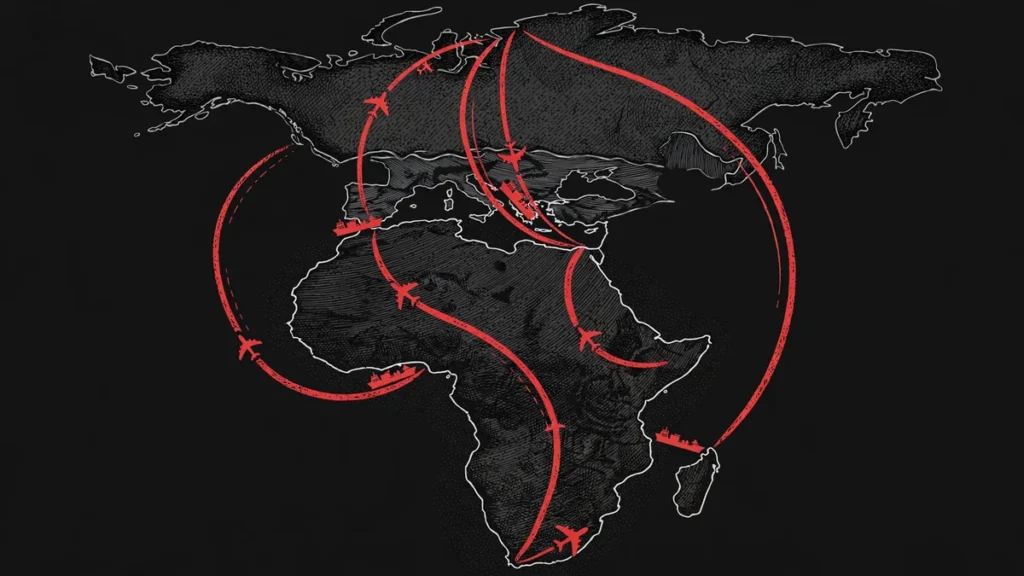
What is on the agenda for the 2026 summit?
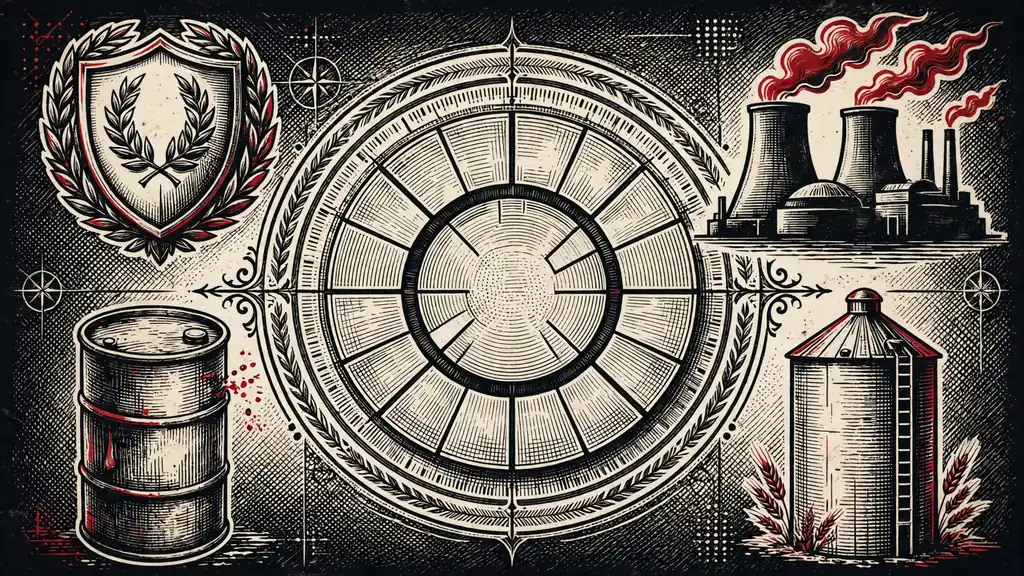
The official program leans hard on the economic offer. According to the organizers, the working tracks cover grain and fertilizer supplies, settlements in national currencies — a workaround for dollar-based sanctions — healthcare cooperation, specialist training, and civilian nuclear energy. Russia is also promising roughly 100 Rosatom education quotas for African specialists, reported by industry media (single source, unconfirmed by Moscow).
Bilateral packages are already being telegraphed. Uganda’s ambassador says his country will sign more than 10 memoranda of understanding in Moscow covering education, food security, oil and gas, nuclear cooperation and a diplomatic-passport visa waiver, and that President Yoweri Museveni met Russian military specialists in October. Rwanda is discussing Rosatom backing for a small-modular-reactor plan targeting the early 2030s, while exporting coffee to Russia and importing Russian fertilizer.
Behind the economics sits a strategic draft: the second Russia-Africa ministerial conference in Cairo in December 2025 produced a 2026–2029 strategic action plan, per Daily News Egypt. The Moscow summit is where that plan is supposed to get political blessing — and funding.
| Metric | Figure | Source |
|---|---|---|
| African delegations at the 2023 summit | 49 (CONFIRMED) | Chatham House / TASS |
| Heads of state at the 2023 summit | 17 (CONFIRMED) | Chatham House / TASS |
| Putin’s 2023 African debt write-off pledge | $23 billion (CONFIRMED) | Chatham House |
| Military cooperation agreements with African states | 40+ countries (CONFIRMED) | Chatham House |
| 2019 pledge: double Russia-Africa trade to $40bn | Missed; trade near $18bn (CONFIRMED) | Chatham House |
| States confirmed for the 2026 summit | 30+ (REPORTED) | Izvestia analysis |
| Malian soldiers killed in September 2026 JNIM attacks | 100+ (CONFIRMED) | Reuters |
| Deaths in the failed August 2026 Niger mutiny | ≥27 killed, ~100 arrested (CONFIRMED) | Al Jazeera |
Figures marked CONFIRMED are corroborated by two or more independent sources; REPORTED figures come from a single outlet or an official claim and should be treated with caution.
Who is attending the 2026 summit — and who is staying away?
Attendance lists are still forming, but the direction is set: more than 30 African states have confirmed, per Russian analysis. Kenya, Ghana, Rwanda, Egypt and Ethiopia are in; Chad’s President Déby is expected; Libya is weighing its level of representation. That is a respectable turnout — but it still falls well short of the 2019 high-water mark, when 45 of 54 African countries sent their top leader.
The absences will be read as a barometer. Western capitals have been quietly discouraging high-level attendance since 2023, framing the summit as diplomatic cover for the war in Ukraine. The real measure of success for the Kremlin is not how many foreign ministers show up, but how many heads of state — the 2023 edition managed only 17, a number Moscow will want to beat this time. Watch the final leaders’ list published after October 29 for the verdict.
What is Africa Corps doing in the Sahel?
The summit’s hardest security question wears a Russian uniform. Wagner’s formal withdrawal from Mali in mid-2025 handed its African operations to Africa Corps, the Russian state-backed expeditionary force — and 2026 has shown what that footprint looks like in practice. In Niger, roughly 200 Africa Corps soldiers with drone support helped loyalist forces retake Niamey’s Air Base 101 after the failed August 29, 2026 mutiny, in which at least 27 people were killed and about 100 mutineers were arrested, according to Al Jazeera. In Mali, Africa Corps fights alongside the army against the al-Qaeda-linked JNIM, which killed more than 100 Malian soldiers in September 2026 attacks, Reuters reported, alongside repeated shelling of the Sévaré airbase.
The summit program will dress this up as “security cooperation.” The African Union’s own counterterrorism architecture — and Western buyers of African stability — see a parallel military ecosystem that answers to Moscow. Expect the Sahel states (Mali, Burkina Faso, Niger) to be the summit’s most effusive partners, and expect everyone else to ask what the security bill looks like.
What the Moscow summit means for US/UK/EU readers
Three threads reach your wallet and your government directly. Energy: the summit’s grain, fertilizer and diesel diplomacy lands just as European diesel prices sit near record highs and the EU prepares a 22nd sanctions package against Russia. Moscow is using African partnerships to keep its commodities flowing despite sanctions — which affects the global prices you pay at the pump. Food: with Black Sea grain routes disrupted again this year, Africa’s search for reliable grain and fertilizer suppliers is a market-moving question; Russia pitching itself as the answer shapes global food inflation. Security: a deepening Russia–Sahel military axis changes the migration and terrorism risk picture for Europe, and Washington’s posture toward Africa — aid, bases, diplomacy — will be partly set by what Moscow secures on October 28–29.
For background on how the shipping and sanctions environment shapes these flows, see our coverage of the real cost of the Hormuz blockade and the strategic petroleum reserve release. The Kremlin’s diplomatic calendar is also stacking up: the G20 foreign ministers meet in Atlanta on October 30–31, two days after Moscow.
The skeptics’ case: what does Africa get back?
Not everyone is buying the pitch. African commentators have asked, bluntly, what the continent receives in return for its diplomatic attendance — the 2019 pledge to double trade to $40 billion was never met, and Chatham House concluded the 2023 summit “failed to deliver concrete results.” Critics also note a stubborn fact of geography: the summit has never once been held on African soil — Sochi, St Petersburg and now Moscow are all in Russia, a point Nigerian media has raised as a symbol of an unequal relationship. Military partnerships, the argument runs, benefit the Kremlin’s influence more than African security.
Moscow’s defenders counter that grain deliveries, fertilizer at discounted prices and a $23 billion debt write-off are tangible, and that Western criticism is self-interested. Both claims will be testable after October 29: compare the signed contracts against the 2023 and 2019 pledges. WarBrief will be watching the communiqué.
What to watch next in Moscow on October 28–29
- The leaders’ list: how many heads of state attend versus the 17 in 2023 — Moscow’s own success metric.
- Signed numbers: contracts and MoUs with dollar figures, especially on nuclear, grain and fertilizers — pledges without numbers are theater.
- The 2026–2029 action plan: whether the Cairo-drafted strategic plan gets adopted with funding attached.
- Sahel language: how the final declaration frames Africa Corps and “security cooperation” — and how the African Union responds.
- Currency mechanics: any concrete move on national-currency settlements, which would mark real progress on the sanctions-evasion architecture.
Our intelligence hub and our coverage of Ethiopia–Eritrea tensions track the wider African security picture ahead of the summit.
Frequently asked questions
When is the third Russia-Africa Summit?
October 28–29, 2026, in Moscow, Russia. The dates were formalized by Russian Presidential Decree No. 194, signed on March 25, 2026, and confirmed in an AU–Russia joint statement and by African governments announcing their delegations.
What is the Russia-Africa Summit?
It is Moscow’s flagship forum for diplomacy, trade and security deals with African states, held alongside the Russia-Africa Economic and Humanitarian Forum. The first edition was in Sochi in 2019 and the second in St Petersburg in July 2023.
Why has the Russia-Africa Summit never been held in Africa?
All three editions — 2019, 2023 and 2026 — have taken place in Russia. Critics, including African media, cite this as evidence of an unequal partnership; Moscow says it foots the bill for the venue and security. No future African venue has been announced.
What is Africa Corps?
Africa Corps is the Russian state-backed expeditionary force that absorbed Wagner Group’s African operations after Wagner’s formal withdrawal from Mali in mid-2025. It fights alongside the Malian army and helped Niger’s loyalist forces retake Air Base 101 after the August 2026 mutiny.
What does Africa get out of the summit?
Past summits produced grain and fertilizer deals, a pledged $23 billion debt write-off and military cooperation agreements with more than 40 African countries. Skeptics note the 2019 trade-doubling pledge was missed and that many 2023 promises remain unfulfilled — Chatham House called the 2023 results thin.
Sources
- Russia-Africa Summit: Official Forum Site
- African Union: AU-Russia High-Level Consultations Joint Statement
- Izvestia: Putin Signed Decree on Holding Third Russia-Africa Forum in Moscow
- Izvestia: How Russia Is Expanding Cooperation with Africa (Analysis)
- Chatham House: Russia-Africa Summit Fails to Deliver Concrete Results
- Reuters: Al Qaeda-Linked Militants Kill More Than 100 Malian Soldiers in September Attacks
- Al Jazeera: Niger Mutiny Exposes Growing Reliance on Russia
- Standard Media (Kenya): Kenya to Participate in Russia-Africa Summit
- Daily News Egypt: African Nations, Russia Convene in Cairo to Draft 2026-2029 Strategic Action Plan
- RadioTV10 (Rwanda): Rwanda and Russia Seek Stronger Partnership Ahead of Summit
- ThisDay: Russia’s Engagement with Africa

Discussion 0
Share analysis, corrections, or context. Be civil — comments are moderated.