WarBrief Live | November 1, 2026 | Intelligence Report
Iran’s next round is most likely a short, sharp decision window after the November 3 United States midterms, with diplomacy racing to fill it before then. Tehran has paired its bluntest military warning of the war with its most active negotiating channel in weeks.
Key Takeaways
- Khamenei ordered an “immediate, impactful, and geographically unrestricted response” to any new attack.
- The Doha track offers Hormuz reopened within two days if Washington meets Tehran’s conditions.
- Washington is split: Hegseth and Rubio sceptical of a deal; Vance, Witkoff and Kushner for talks.
- The nuclear-weapons-ban debate is leverage, not a decision.
| Signal | Status | Basis |
|---|---|---|
| Khamenei’s “geographically unrestricted” order | Confirmed | Reuters; leader’s Telegram statement |
| Doha talks Saturday after 12+ hours in Tehran Friday | Confirmed | Reuters source briefed on the talks |
| Two-day Hormuz reopening offer | Confirmed as a proposal | Araghchi to Al Jazeera |
| Target list includes regional AI infrastructure | Reported | Senior Tehran official to CNN |
| Midterm defeat pushing Trump to major operation | Reported, disputed | Axios via a US official; White House denial |
| Any change to the nuclear-weapons ban | Not decided | Mohsen Rezaei, state media |
What Khamenei’s order actually signals
On Saturday, November 1, Khamenei ordered the armed forces to be prepared to answer any attack at once. Reuters reported the order with the leader’s own wording: “Any level or type of threat must be met with an immediate, impactful, and geographically unrestricted response.” Commanders reported high readiness along the Gulf coast, the Strait of Hormuz and the Gulf of Oman. Two elements set this order apart: earlier Iranian retaliation in this war, which began on February 28, concentrated on regional targets; and the target list now covers United States and Israeli “physical and non-physical” assets. A senior Tehran official told CNN that Iran would try to target infrastructure beyond oil facilities, including AI infrastructure, warning of a long “war of surprises.” That claim is single-sourced: read it as a threat signal, not a confirmed capability.

The Doha track: a two-day Hormuz offer against seven conditions
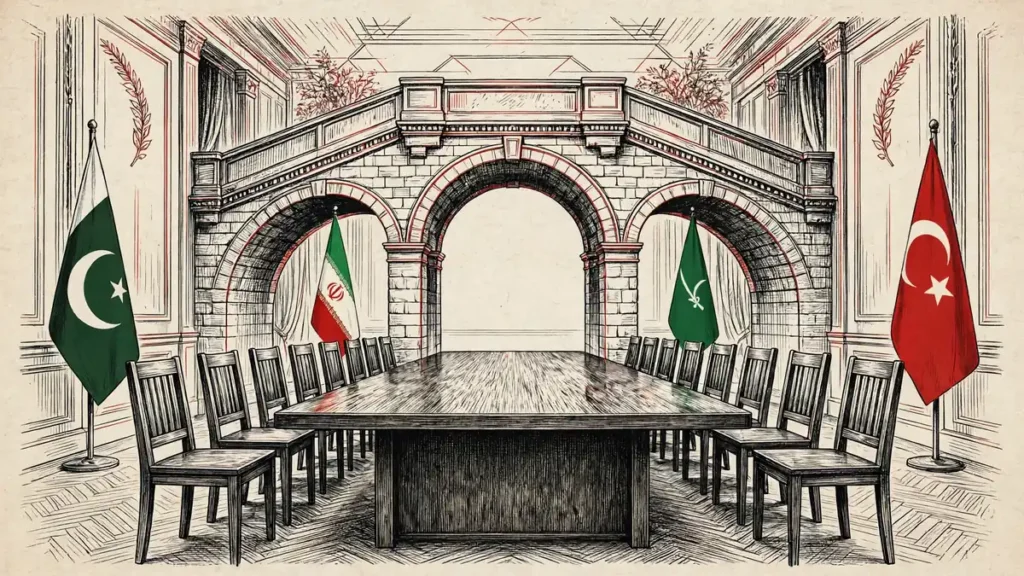
Iranian negotiators met Qatari mediators in Doha on Saturday, after more than 12 hours of talks in Tehran on Friday, a source briefed on the talks told Reuters. Rubio said on Saturday that Trump has not decided on new strikes but prefers diplomacy; Trump said talks were “going fine” but he was “not in that much of a hurry.” A Qatari seven-day trust-building plan brought to Tehran a week ago has, Araghchi told Al Jazeera, been compressed into a two-day Hormuz reopening offer if the United States meets its conditions. Those conditions, as reported by CGTN and in Axios’s account of the talks, include lifting the naval blockade, releasing frozen Iranian assets, restoring waivers for Iranian oil exports, and sanctions relief. A version of this bargain was rejected last month, so the two-day offer is an opening position, not a settlement. Vance’s letter to Rezaei, delivered through Qatari mediators, reportedly proposes direct talks led by Vance; Rezaei says he has read it but not replied.
Why is Washington split over Iran?
Axios’s October 31 reporting describes a genuine policy split, not a messaging difference. Defense Secretary Pete Hegseth and Secretary of State Marco Rubio doubt a durable nuclear agreement can be reached with Iran’s current government and favour further pressure, including further strikes. Vance, Witkoff and Kushner favour another chance for negotiations, while Treasury Secretary Scott Bessent urges letting his “Operation Economic Outcast” pressure campaign play out first.
The least solid claim is also the most consequential: a United States official said Trump could be more inclined to order a major military operation if Republicans lose badly in the November 3 midterms — “If he feels embarrassed or disenfranchised he will do something bold.” A White House official pushed back, saying election results would not factor in. What is confirmed is the timeline: Trump has said the United States will not attack before the midterms, so November 4 is the first day that constraint lifts. For US, UK and European readers, the exposure runs through energy and shipping: a Hormuz reopening would bear on oil flows and winter heating costs, while renewed strikes would do the reverse. This report offers no financial advice.
The nuclear-ban debate: leverage, not yet a decision
Rezaei confirmed on Saturday that Iran is debating whether to retain its ban on nuclear weapons if hostilities resume, but no decision has been taken to change the doctrine. Parliament member Ebrahim Rezaei separately said 10 proposals to withdraw from the Nuclear Non-Proliferation Treaty had been registered. Iran’s rejection of nuclear weapons has rested on a fatwa by the late Supreme Leader Ali Khamenei, first publicised in 2003. The debate is real and unusually open, but it functions as negotiating leverage: Rezaei tied any nuclear discussion to a later stage of talks, after Washington meets Tehran’s conditions, and insisted the Strait would stay closed until then. Aired on state television, with no bill voted and no government decision, it is a signal — not a weapons programme. The earlier October 29 diplomacy assessment and our October 29 strikes explainer trace how the Vance letter and the Qatar draft reached this point; yesterday’s Pakistan mediation report covers the parallel Islamabad channel. More assessments: the WarBrief intelligence hub.
Assessment: the decision window after November 3
Three paths are open. First, a trust-building deal: daily reciprocal steps under the seven-day plan, or a compressed version, reopen Hormuz within days. Second, drift: talks continue without agreement, and the blockade and closure persist. Third, renewed strikes: diplomacy fails, the midterm constraint lifts, and the “geographically unrestricted” order is tested.
Our judgement: drift is the base case and a trust-building deal the most likely positive surprise, while a major operation immediately after the midterms is possible but not the default — it would require a diplomatic breakdown plus a political choice the White House has publicly denied making. Watch four signals: Doha talks continuing with an American delegation present; any easing in Hormuz shipping before a formal announcement; “non-physical” rhetoric escalating to operational claims; and an NPT parliamentary vote rather than more television discussion. Any one of those moving would change this assessment.
Frequently asked questions
What did Khamenei actually order?
He ordered an immediate response to any threat, without geographical limitation, and an updated target list covering United States and Israeli physical and non-physical assets.
What is the Doha track offering?
A Qatari seven-day trust-building plan, compressed by Tehran into a two-day offer to reopen the Strait of Hormuz if Washington lifts the blockade, releases frozen assets, restores oil waivers and grants sanctions relief.
Has Iran decided to build a nuclear weapon?
No. Rezaei says the debate is open but no decision has been taken, and parliament has not voted on the NPT-withdrawal proposals. It is best read as negotiating leverage.
Sources
- Tribune (Reuters report): Diplomacy in overdrive as Iran-US war fears mount
- Al Jazeera: Iran war live — Tehran eyes 2-day Hormuz plan
- CNN: Middle East on edge as fears mount the Iran war could restart
- CGTN: Iran, Qatar hold talks as Tehran weighs US diplomatic overture
- The Nation (reporting Axios): Trump may consider major Iran strike after midterm setbacks