WarBrief Live | October 1, 2026 | Breaking Analysis
President Donald Trump told reporters in the Oval Office on September 30, 2026, that the United States will soon have to choose between striking a deal with Iran and military escalation, saying of Tehran’s leaders: “We blow them up, make a deal. But the time is coming. It’s going to end very soon, one way or the other.” The Trump Iran deal-or-blow-them-up ultimatum landed just as Iran confirmed it had received an official American counterproposal to its offer to end the seven-month war and reopen the Strait of Hormuz. With the Iranian rial at a record low, the Strait still under attack, and Washington tightening its economic siege, the two sides are closer than ever to a binary choice: negotiated settlement or renewed war.
Key Takeaways
- Trump issued a binary ultimatum: make a deal with Iran or “blow them up,” warning the seven-month war will end “very soon, one way or the other.”
- Iran says Foreign Minister Abbas Araghchi received a U.S. counterproposal via Qatari mediators and presented it to President Masoud Pezeshkian at a cabinet meeting. Its contents are undisclosed.
- The dispute is not over the framework but its sequencing: Reuters reporting says the order of a ceasefire, lifting the U.S. naval blockade, releasing frozen assets, and reopening Hormuz is the core sticking point.
- Treasury Secretary Scott Bessent says Iran’s last roughly 15 million barrels of oil at sea will reach China within about two weeks, leaving Tehran with “nothing left to trade” — while the rial has collapsed past 2.5 million to the dollar.
- U.S. officials tell the Wall Street Journal and Axios that Trump expects any renewed bombing campaign to come after the November 3 midterm elections.
What happened: an ultimatum in the Oval Office
On September 30, 2026, President Trump laid out the starkest version yet of his endgame for the Iran war. Asked by reporters how Washington could negotiate with Tehran, he answered: “Maybe you blow them up. We have to make that decision. We blow them up, make a deal. But the time is coming. It’s going to end very soon, one way or the other.” The remarks carried no ceasefire announcement and no confirmation of any agreement — but they made explicit the two-track strategy the administration has run all year: diplomacy and military pressure at once.
The ultimatum followed a day of rapid diplomatic movement. Iran’s government indicated it had received an official American response to its latest ceasefire offer, delivered through Qatari mediators. Foreign Minister Abbas Araghchi presented the counterproposal to President Pezeshkian and the cabinet for review, according to Iranian state media. The White House has not commented on the document’s contents, and it is unclear whether it amounts to a genuine counteroffer or a negative reply.
Trump had publicly rejected Iran’s initial seven-day proposal over the weekend, saying Tehran wanted a deal because it was “losing so badly” but that its offer “would not be acceptable.” He also denied reports that he had offered Tehran sanctions relief or access to frozen assets in exchange for nuclear concessions, declaring: “I offered them NOTHING.”
Background and timeline
The ultimatum is the culmination of a seven-month conflict that has fused a naval war, an energy war, and an economic war. The key milestones:
- Late February 2026: The war begins with U.S. and Israeli strikes on Iran. Iran throttles commercial traffic through the Strait of Hormuz, and Washington responds with a campaign of military pressure.
- June 2026: The United States imposes a naval blockade of Iranian ports — what Trump has called a “wall of steel” — shutting down Iran’s main source of revenue while sanctions steadily tighten.
- August 24, 2026: The Treasury Department launches “Operation Economic Outcast,” a campaign aimed at severing Iran’s remaining financial lifelines — oil smuggling, banking, digital assets, gold, aviation, and shipping. More than 60 entities, people, and vessels were designated on the first day, with secondary sanctions following on facilitators in the UAE, Turkey, and Hong Kong.
- September 2, 2026: The rial hits its then-record low of 2.2 million to the dollar — a mark it would break again less than a month later.
- September 27, 2026: Treasury Secretary Scott Bessent tells Fox News’s “Sunday Morning Futures” that roughly 15 million barrels of Iranian oil remain on the water for delivery to China, after which Tehran will have “nothing left to trade for anything.” He describes the administration’s isolation campaign as the tightest ever applied to a single government.
- September 28, 2026: In a telephone interview with Axios, Trump rejects Iran’s Hormuz-for-blockade proposal — “They overplayed their hand” — but says he expects more talks that week. Asked whether strikes could resume before the midterms, he says: “I am always thinking about it.” Separately, the Wall Street Journal reports that Trump has told aides he expects U.S. bombing to resume after the November 3 elections.
- September 30, 2026: Iran confirms receipt of the U.S. counterproposal via Qatar. Three commercial vessels, including a crude tanker and an LNG carrier, are struck by unknown projectiles in the Strait of Hormuz, according to British maritime authorities — the most hits in a single day of the conflict. The rial collapses past 2.5 million to the dollar. The Treasury designates ten more people and entities in Iran, Hong Kong, and Pakistan accused of procuring weapons components for Iran’s defense ministry. Trump issues his “blow them up or make a deal” ultimatum.
- October 1, 2026: Tehran reviews the counterproposal. Pezeshkian says any agreement must be based on a “win-win strategy,” according to the Associated Press. Reuters reports the sequencing of the seven-day framework — ceasefire first or blockade relief first — is the main dispute.
Why it matters
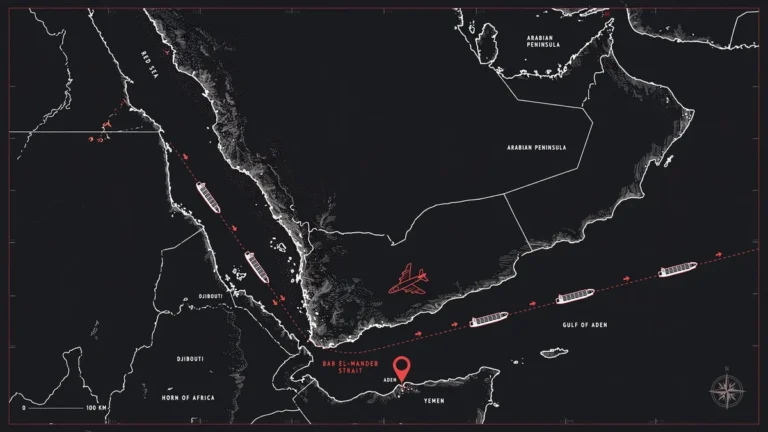
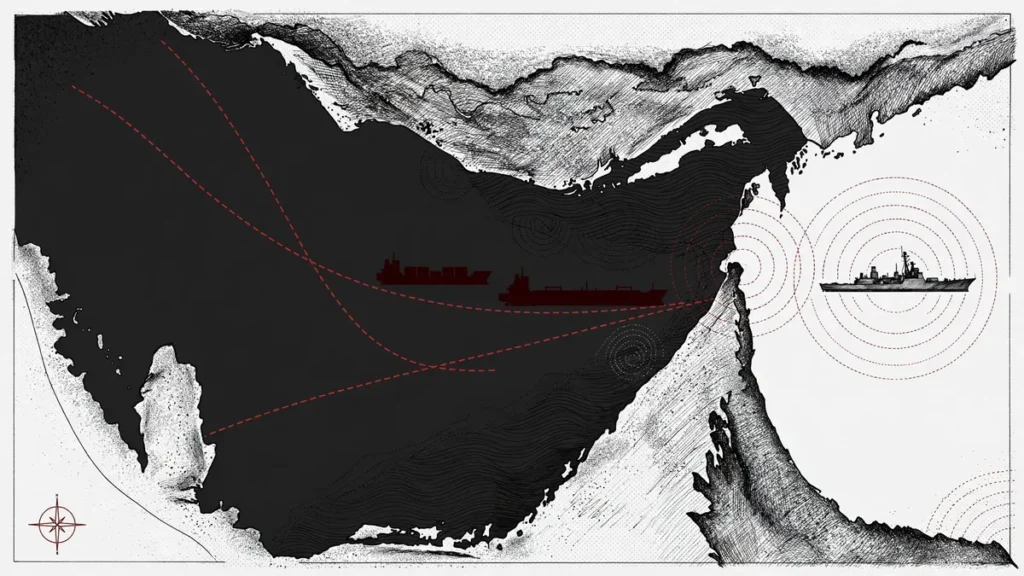
The ultimatum matters because the war’s center of gravity is no longer the battlefield — it is the Strait of Hormuz and the economic systems that depend on it. Before the war, the strait carried roughly one-fifth of the world’s oil and liquefied natural gas. Crude transits have rebounded to about 80 percent of prewar volumes — a seven-day average of around 14.2 million barrels per day against a prewar baseline of about 17 million — thanks to U.S. naval escorts, ship-to-ship transfers, and pipeline alternatives. But refined-product shipments remain constrained, diesel prices in the United States have hit record highs, and Brent crude climbed above $107 a barrel after Trump rejected Iran’s proposal.
The September 30 tanker strikes underscore that the strait remains a shooting gallery even while diplomats talk. With the perpetrators unidentified, every transit still carries a war-risk premium — and Iran has shown it can disrupt the flow regardless of who claims responsibility.
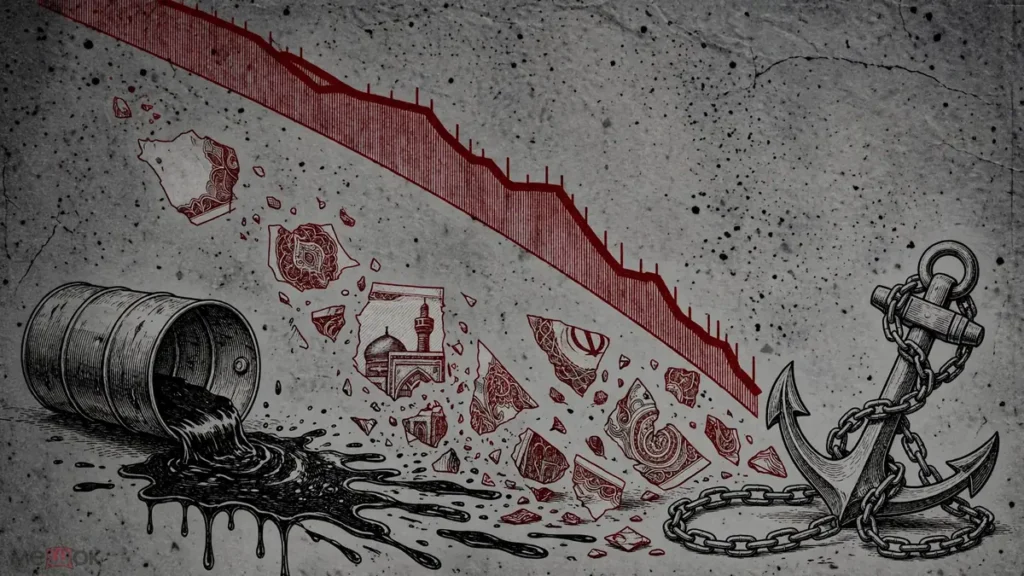
The economic dimension is where Washington believes it holds the winning hand. Iranian oil exports have cratered as the U.S. Navy blockades the country, according to Kpler data cited in energy reporting. The rial has lost roughly half its value this year. Medication prices have more than tripled as the blockade and sanctions squeeze the pharmaceutical sector, and food prices have skyrocketed while unemployment rises. Bessent’s two-week oil clock — if accurate — suggests Tehran’s last significant revenue stream is about to run dry, which is precisely why, in his telling, Iran wants a deal now.
But there is no hard evidence that economic pressure alone will change Iran’s positions, analysts note. Tehran has absorbed sanctions for decades and has tried to push world energy prices higher through attacks on shipping — a form of counter-pressure on Washington, which faces record diesel prices and midterm elections. The war has become an economic endurance test on both sides, and the question is whose pain tolerance breaks first.
Different perspectives
Washington: The administration’s position is that Iran is “losing so badly” and should accept American terms. Trump alternates between dealmaking and threats: he expects more talks this week, but officials say he views a renewed bombing campaign as probable after the midterms, and he refuses to rule out strikes before them. The public line — “I offered them NOTHING” — is meant to kill any perception that Tehran’s seven-day proposal earned concessions.
Tehran: Iran presents itself as open to diplomacy but ready for war. Pezeshkian insists on a “win-win” agreement, Araghchi says Tehran is prepared for renewed fighting while remaining open to negotiations, and Iranian officials have said they want a deal before the November vote. Parliament Speaker Mohammad Bagher Ghalibaf publicly rejected Bessent’s assessment, responding on X that Washington faces its own debt pressures — a reminder that Tehran reads the U.S. economy as vulnerable too.
Mediators and analysts: Qatar’s shuttle diplomacy has kept the sides exchanging proposals, but Reuters reporting says neither side will budge on sequencing — which side moves first on the blockade, the ceasefire, frozen assets, and Hormuz reopening. Analysts are split: some in Washington argue the blockade will simply “do its work” and Iran can be waited out; others, like Rapidan Energy’s Scott Modell, warn there is no hard evidence economic pressure will fundamentally change Iran’s positions. The failed June memorandum of understanding, which collapsed into renewed fighting, is the cautionary tale: both sides have agreed to frameworks before, and both have watched them fall apart.
Energy markets and shippers: For markets, the signal is ambiguity. Tanker-tracking data shows crude volumes recovering, yet three vessels were hit on the same day a counterproposal changed hands. Until a deal is signed — or the bombing resumes — the strait stays priced for risk.
What to watch next
The immediate variable is Tehran’s formal answer to the U.S. counterproposal. If the sequencing dispute proves bridgeable — a phased exchange of ceasefire, partial blockade relief, and Hormuz reopening — a deal could move fast; the framework already exists. If Tehran deems the document a rejection, expect the shadow war in the strait to intensify and the economic siege to grind on.
Watch the two-week oil clock Bessent set: whether Iranian crude keeps reaching China, and whether the U.S. escalates enforcement at sea. Watch whether the pattern of September 30 — vessel strikes on the same day as diplomatic movement — repeats; it may be Tehran’s way of negotiating from strength, or a sign that armed factions are acting beyond the diplomats’ control.
Further out, the November 3 midterm elections are the hinge the whole timeline pivots on. Trump says the war will end after the vote, one way or the other; U.S. officials say he privately expects bombing to resume if diplomacy fails. Iran, meanwhile, wants an agreement before the vote — which gives Washington an incentive to wait and Tehran an incentive to escalate. That asymmetry is exactly what makes the coming weeks the most dangerous phase of the war so far.
For the wider picture, see our conflict zones hub for ongoing coverage of the Iran war, our Sanctions Tracker for the full arc of the Operation Economic Outcast campaign, and our analysis of how the Iran war is reshaping global energy geopolitics. Also see our briefing on China’s October fuel-export halt and what it means for the global diesel market.
Frequently asked questions
What did Trump say about Iran on September 30, 2026?
In an Oval Office exchange with reporters, Trump said the U.S. would soon have to decide between a deal with Tehran and military strikes: “Maybe you blow them up. We have to make that decision. We blow them up, make a deal. But the time is coming. It’s going to end very soon, one way or the other.” The remarks included no ceasefire announcement and no confirmed agreement.
What is Iran’s seven-day proposal for the Strait of Hormuz?
Iran proposed reopening the Strait of Hormuz within seven days if the United States eased military pressure, lifted its naval blockade of Iranian ports, made some frozen Iranian assets available, and waived sanctions on Iranian oil sales. Trump publicly rejected the offer as unacceptable, though indirect exchanges through Qatari mediators have continued.
Why is the Strait of Hormuz so important?
Before the war, the strait carried roughly one-fifth of the world’s oil and liquefied natural gas. It connects the Persian Gulf to the Gulf of Oman and global markets; disruption there raises crude prices, freight charges, and insurance costs worldwide. Crude transits have recovered to about 80 percent of prewar volumes under U.S. naval escort, but the September 30 vessel strikes show shipping remains at risk.
What is Operation Economic Outcast?
It is the U.S. Treasury campaign launched August 24, 2026, to isolate Iran from oil smuggling, banking, digital assets, gold, aviation, and shipping. More than 60 entities, people, and vessels were designated on day one, with follow-on sanctions on facilitators in the UAE, Turkey, Hong Kong, and Pakistan. Combined with the naval blockade of Iranian ports since June, it is the economic half of the administration’s two-track strategy.
Will the U.S. resume bombing Iran after the midterms?
U.S. officials tell the Wall Street Journal that Trump has told aides he expects to resume bombing Iran after the November 3 midterm elections, and Axios reporting says officials believe a return to major combat operations is likely if no agreement is reached. Trump himself has refused to rule out strikes before the midterms. None of this is an announced decision — it is the administration’s current contingency planning, and Trump’s views have shifted before.
Sources
- The Hindu Business Line: Iran indicates it has received official response to latest ceasefire offer
- Sweden Herald (AP reporting): Iran says it has received US response to ceasefire proposal as ships attacked in Strait of Hormuz
- ZeroHedge (Reuters/Axios reporting): Iran says it received official US counter-offer on ending war
- Wall Street Journal: Trump rejects Iran ceasefire, expects renewed bombing after midterms
- Red White True News (Fox News interview): Bessent — Iran’s last oil cargoes to China run out in two weeks
- Netzender (tanker-tracking data): Crude oil exports through the Strait of Hormuz hit prewar levels
Related: read our data-driven breakdown of Hegseth’s 20% cut of generals and admirals, by the numbers.