WarBrief Live | October 19, 2026 | Conflict Zone
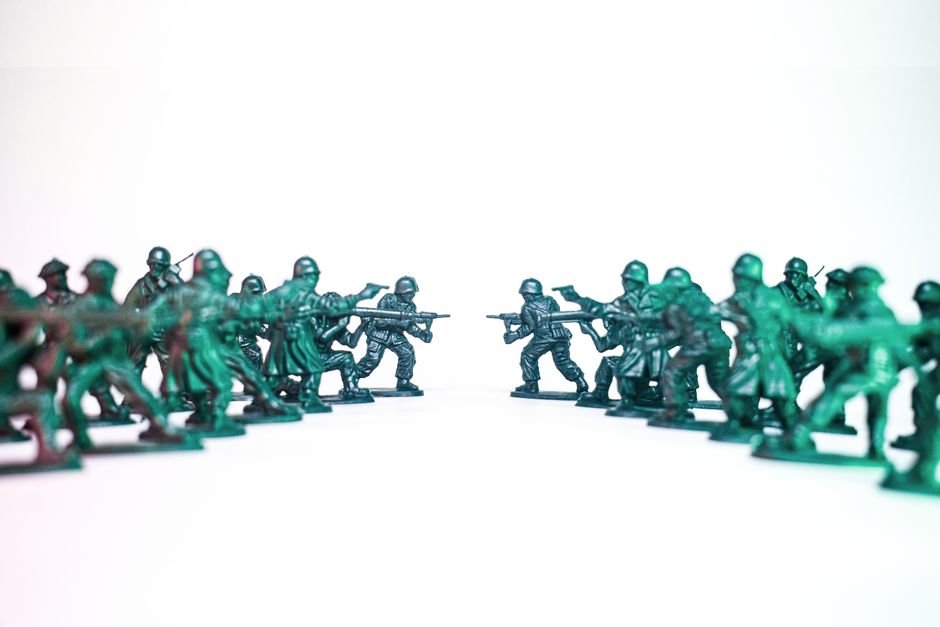
On February 27, 2026, Pakistan’s Defence Minister Khawaja Asif declared that Pakistan and Afghanistan were in “open war” after Pakistani jets bombed targets in Kabul, Kandahar and Paktia. Cross-border airstrikes against militant camps have hardened into an interstate confrontation along the Durand Line, the disputed border Afghanistan has never recognized. Both governments issue casualty claims almost no one can independently verify. What is independently established — including by the United Nations — is that civilians are dying in the strikes.
Overview
The Pakistan-Afghanistan border war is an interstate armed conflict along the Durand Line, the disputed border Afghanistan has never recognized. Islamabad calls it a counterterrorism campaign against the Tehreek-e-Taliban Pakistan (TTP), which it accuses Kabul of sheltering; the Taliban government calls the strikes aggression against Afghan sovereignty. A March 2026 truce produced roughly three months of relative calm, but the conflict reignited in the autumn: Pakistani airstrikes on October 1 killed civilians confirmed by UN monitors, and border exchanges followed on October 17.
This interstate war is distinct from Pakistan’s internal insurgency, which WarBrief profiles separately: Pakistan Insurgency: TTP, Balochistan, and Security Operations. For the full map of tracked flashpoints, see the conflict-zones hub.
Key actors
- Pakistan (government and armed forces): Conducts airstrikes and border operations inside Afghanistan, framing the war as counterterrorism. Islamabad has also begun naming India as a backer: Asif accused Kabul of turning Afghanistan into “a colony of India” and “an Indian proxy,” and the October 1 strike statement referred to “Fitna al-Hindustan.”
- Afghanistan’s Taliban government (de facto authorities): Denies harboring militants, calls Pakistani strikes aggression, and retaliates along the border.
- Tehreek-e-Taliban Pakistan (TTP), Islamabad’s “Fitna al-Khawarij”: The Pakistani Taliban — distinct from the Afghan Taliban governing Kabul — and Pakistan’s stated target in Afghanistan.
- India: Named by Pakistan as a shadow backer; New Delhi has condemned Pakistan’s strikes and voiced support for Afghan sovereignty, according to reports.
Recent developments
- February 6, 2026: A bombing at a Shia mosque in Islamabad killed 31 people, claimed by ISIS-K. Islamabad pointed to this and subsequent attacks as justification for its campaign.
- February 21-27, 2026: Pakistan carried out its first airstrikes inside Afghanistan (Nangarhar, Paktika, Khost), the Taliban hit back along the Durand Line, and Pakistan bombed Kabul — its first strike on the Afghan capital since the Taliban’s 2021 return — and Kandahar and Paktia. On February 27, Asif posted on X: “Our patience has now run out. Now it is open war between us.” Casualty claims were wildly conflicting and never independently verified: Kabul claimed 55 Pakistani soldiers killed; Islamabad claimed at least 133 Afghan fighters killed.
- March-September 2026: A truce brought roughly three months of relative calm, but militant violence inside Pakistan kept climbing. The Pakistan Institute for Conflict and Security Studies recorded 225 militant attacks in Pakistan in September 2026, up 13 percent from August — the highest monthly number in 12 years, according to Pakistani media. UNAMA also noted a Pakistani airstrike in Kunar on September 21 that killed at least three civilians and injured four.
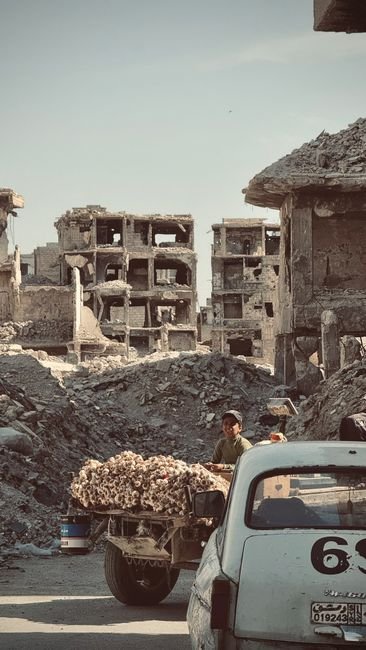
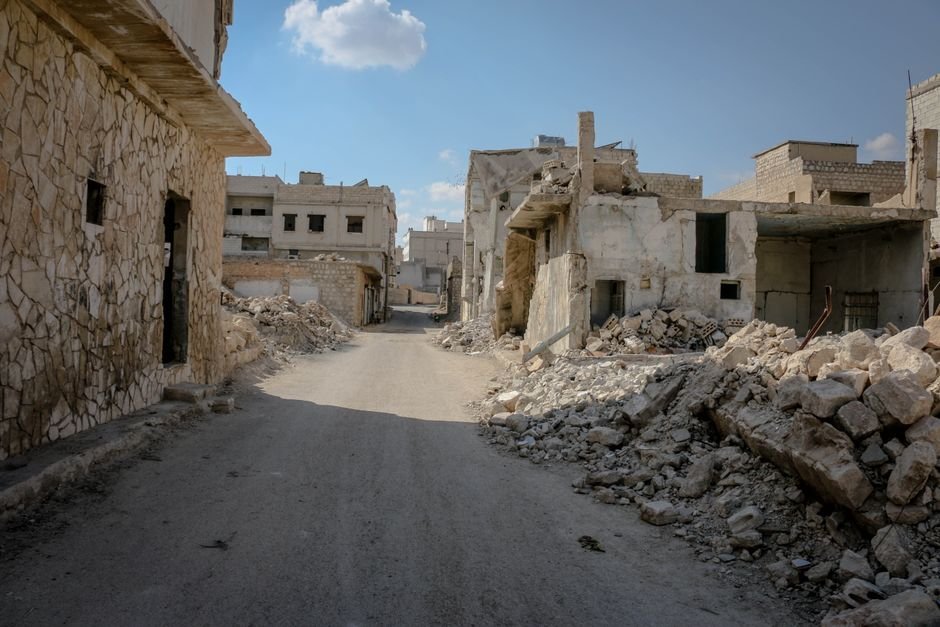
- October 1, 2026: Pakistani aircraft struck Kunar and Helmand provinces. Islamabad called the operation “planned and calibrated,” targeting militant hideouts and claiming 22 militants killed. The Taliban said nine civilians, including women and children, were killed and 11 injured, with three houses destroyed. UNAMA confirmed at least 10 civilians killed, most of them children, and nine others injured — and noted that cross-border armed violence had caused more than 1,100 civilian deaths and injuries in Afghanistan during 2026. The European Union expressed concern and called for restraint and respect for international humanitarian law.
- October 17, 2026: Le Monde reported from the Chogan Valley in eastern Afghanistan: six fresh graves at the Pashad cemetery held Mohammad Yusuf, a 65-year-old nomadic shepherd, four of his children and his nephew — all killed in their home in the October 1 airstrike. The same day, Pakistan’s army retaliated in the Taida sector of Upper Kurram and Ghozgarhi, striking the Taliban’s Topsar post and Shipola base camp after alleged Afghan firing meant to cover a militant infiltration attempt; several Afghan Taliban personnel were reportedly killed — a claim not independently verified.
Current status
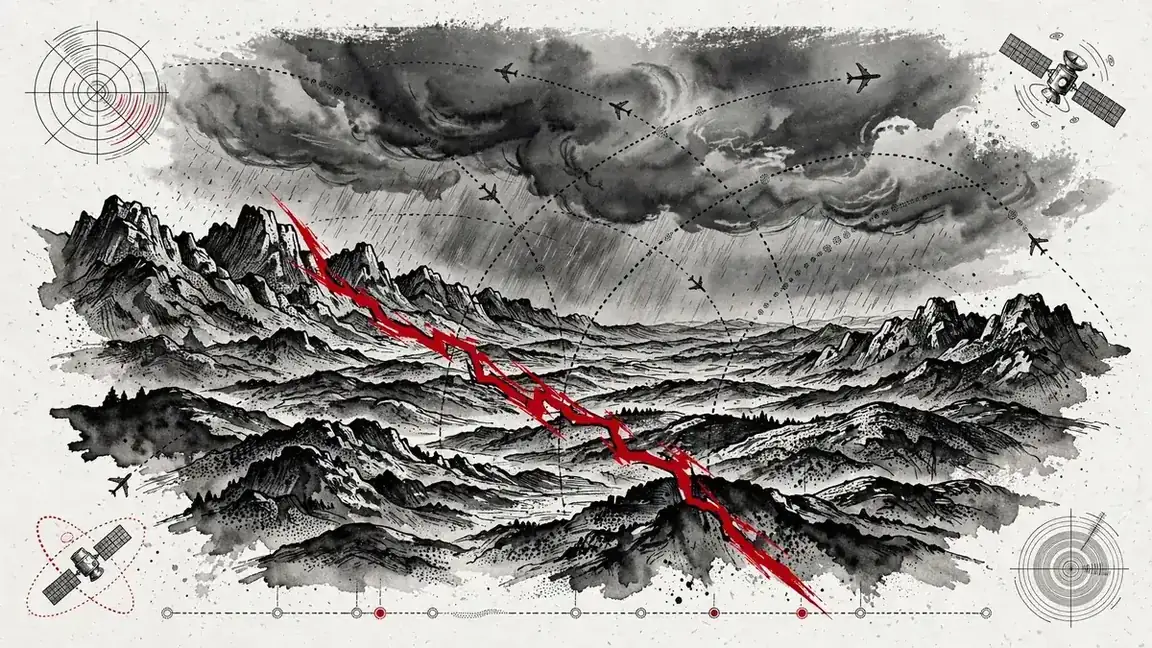
The war is in a grinding, sub-conventional phase: Pakistani airstrikes and artillery on one side, Taliban border posts and retaliatory fire on the other, with militant attacks inside Pakistan at their highest rate in a decade. Diplomatic relations are at a low ebb and no de-escalation framework has been announced. UNAMA has confirmed repeated civilian deaths from Pakistani strikes, while battlefield casualty claims from both governments remain unverified.
What to watch
- Whether the October 17 border exchange escalates into a sustained campaign.
- Further Pakistani air operations in the eastern provinces and UNAMA’s updates to the civilian toll.
- Any third-party mediation — none is currently on the table.
- India’s posture, as Islamabad’s “India backer” accusation becomes central to its narrative; analytical coverage sits in the intel hub.
Sources
- Le Monde: Escalation between Pakistan and Afghanistan leads to heavy human toll
- Free Malaysia Today (AFP): UN says strikes in Afghanistan killed 10 civilians
- The Express Tribune: Asif declares ‘open war’ with Taliban regime
- Business 360: Pakistan declares “open war” with Afghanistan after cross-border strikes
- Afghanistan Peace Campaign (Khaama Press): UNAMA says 10 civilians killed in Pakistani airstrikes
- The News: Pakistan Army responds to unprovoked Afghan Taliban firing in Kurram