WarBrief Live | November 13, 2026 | Intelligence Report
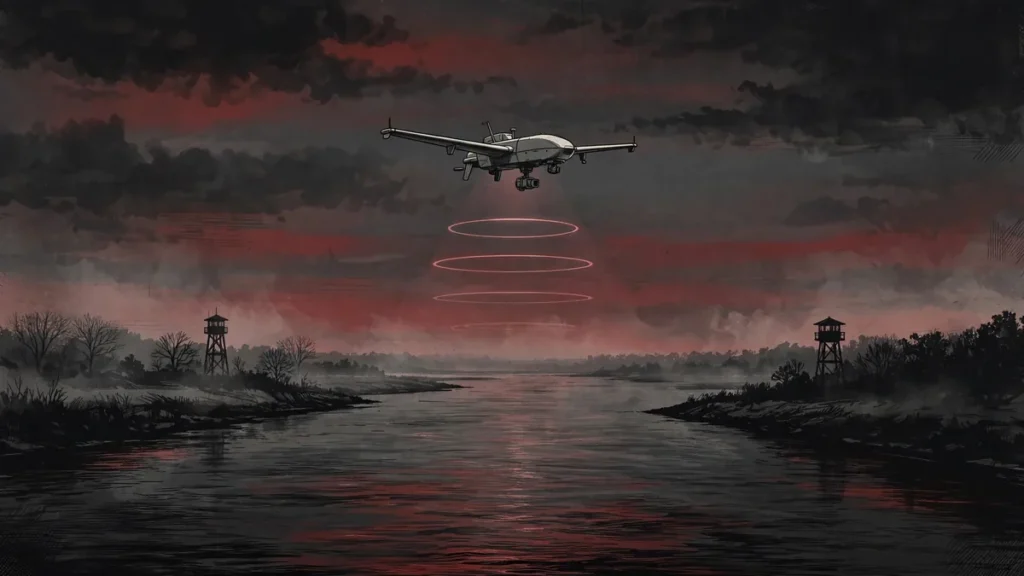
Finland’s military says it detected a strike on a Russian warship in the Gulf of Finland in the early hours of November 11, 2026. Ukraine’s Security Service says it carried out the attack with drones, targeting the missile corvette Naro-Fominsk near the Russian-held island of Gogland. What is confirmed is narrow — a strike happened, close to NATO shores — and what is not is wide: the damage, any casualties, and the ship’s condition.
Key Takeaways
- Finland’s Defence Forces told Reuters they detected a strike on a Russian warship in the Gulf of Finland area on November 11, and say Finland faces no immediate military threat.
- Ukraine’s Security Service says it carried out a drone strike on the Buyan-M-class missile corvette Naro-Fominsk, part of a wider operation against the oil port of Ust-Luga.
- A senior Finnish official told Yle the attack was detected near Gogland Island, about 40 kilometers south of Finland, and Estonia’s defense minister said an explosion occurred aboard a Russian warship at about 5:30 a.m. local time.
- Russia has not publicly confirmed any strike on the warship, and the damage and any casualties remain unknown.
What happened in the Gulf of Finland on November 11?
Finland’s military said on Thursday, November 12, that its forces had detected a strike on a Russian warship in the Gulf of Finland area the previous day. A spokesperson told Reuters by email that the Defence Forces had “detected … a strike on a Russian warship in the Gulf of Finland area and has monitored the development of the situation,” adding that Finland was not under “any immediate military threat.” The statement gave no details on where the strike originated, its precise location or timing, or how it was detected.
A senior Finnish official told Yle, Finland’s public broadcaster, that the attack was detected near Gogland Island, about 40 kilometers south of Finland and 55 kilometers north of Estonia. Brigadier General Markku Viitasaari of Finland’s defense ministry told Helsingin Sanomat that Finnish sensors recorded flashes and smoke from the ship in international waters near the island.
Estonia’s defense minister, Martin Herem, told Estonian public broadcaster ERR that an explosion occurred aboard a Russian warship at about 5:30 a.m. local time. “We know that smoke came from the ship afterwards. The ship itself went back towards St Petersburg,” Herem said.
What is the Naro-Fominsk, and why does it matter?
Ukraine’s Security Service, the SBU, said in a Telegram post that it planned and carried out a drone strike on the Naro-Fominsk, a Buyan-M-class small missile ship of Russia’s Baltic Fleet, as part of a special operation. The SBU did not say where on the vessel it hit, which weapon it used, or offer evidence of damage. The ship was launched in 2022 and carries Kalibr cruise missiles and Oniks anti-ship missiles.
The strike was part of a wider overnight operation against Ust-Luga, the Russian oil export port on the southern shore of the Gulf of Finland. Ukraine’s General Staff said five oil storage tanks were damaged there, while Russia said it had intercepted at least 146 Ukrainian drones in the Leningrad region. Regional officials confirmed a fire in the port area and three injured workers. Both figures are party claims, not independently verified.
If the claim holds, this would be the first Ukrainian attack on a Russian warship at sea in the Baltic since the full-scale invasion began — until now, the naval drone campaign has been fought almost entirely in the Black Sea, as tracked in our Black Sea shipping war profile. A strike in the Gulf of Finland would show the same tactics now reach Russia’s northern fleet, close to St. Petersburg.

| Metric | Figure | Status | Source |
|---|---|---|---|
| Date of the strike | November 11, 2026, early hours | Confirmed | Finland’s Defence Forces via Reuters |
| Location | Near Gogland Island, about 40 km south of Finland | Confirmed | Senior Finnish official via Yle |
| Explosion reported by Estonia | About 5:30 a.m. local time, November 11 | Confirmed | Defense Minister Martin Herem via ERR |
| Ukrainian drones intercepted in Leningrad region | At least 146 | Reported by Russia | Al Jazeera, citing Russian statements |
| Oil storage tanks damaged at Ust-Luga | Five | Claimed by Ukraine | Ukraine’s General Staff |
| Damage to the Naro-Fominsk and casualties | Unknown | Unconfirmed | No official confirmation from any side |
Confirmed means two or more reputable sources agree. Reported and claimed figures come from one party and have not been independently verified.
How did the strike reach NATO’s doorstep?
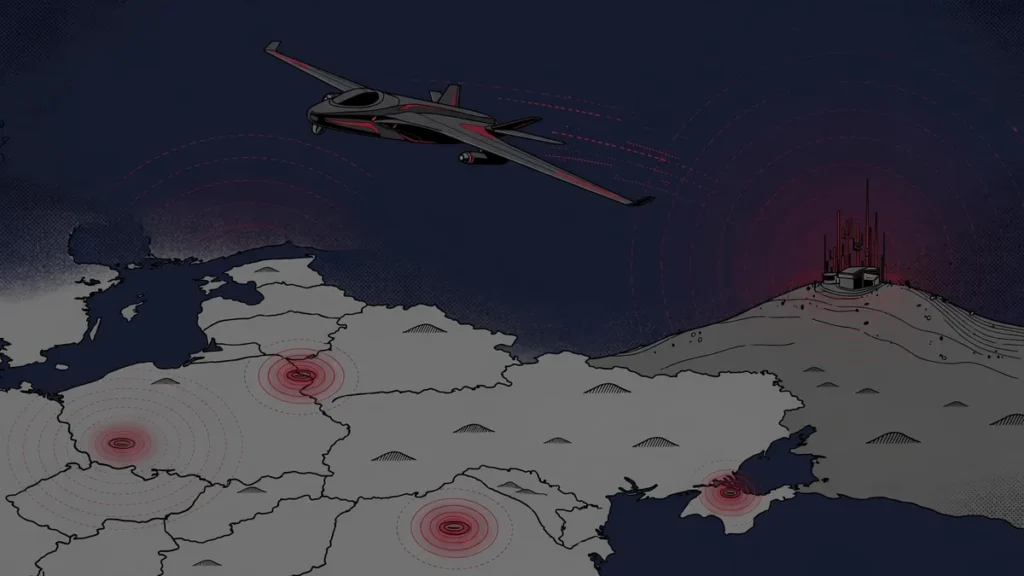
Early on Wednesday, November 11, Estonia, Latvia and Lithuania urged citizens to take shelter as drones entered their airspace, and NATO warplanes were scrambled. Lithuania’s prime minister said four drones had been detected across the region, and one warning covered Kaunas, a city of about 300,000 people. The alerts were withdrawn within hours, and no injuries were reported.
Estonia later confirmed Ukrainian drones had briefly entered its airspace, and its defense minister said Tallinn had not authorized its airspace for Ukrainian strikes. Ukraine’s foreign ministry spokesperson, Heorhiy Tykhyy, called Moscow’s accusation that Kyiv used Baltic airspace unfounded, while conceding incidents can happen when Russia redirects drones with electronic warfare. A drone route to Ust-Luga passes within minutes of the airspace of four NATO members. Denmark’s military profile describes how the Joint Expeditionary Force watches the same waters, and the wider picture is tracked in our Conflict Zones hub.
What this means for US/UK/EU readers
For energy markets, the target matters as much as the ship. Ust-Luga is a major Russian export outlet for oil and grain, and the strike is part of Ukraine’s campaign against the revenue streams funding Russia’s war. Damage to five storage tanks will not move global prices on its own, but repeated hits on export infrastructure feed into the crude balances that shape pump prices in the United States, Britain and Europe.
For travelers and shipping, the impact so far is limited: Finland’s foreign minister said there was no threat to marine traffic, and the Gulf of Finland remains open to commercial shipping. The wider signal is strategic — the war’s geographic reach is widening, and NATO’s northern flank is now an active theater for drone incidents. The strike came as US envoys Steve Witkoff and Jared Kushner shuttled between Moscow and Dublin to meet Presidents Putin and Zelenskyy, with Kushner saying the United States is working toward what would be the largest prisoner exchange of the war.
Assessment: what the strike changes — and what it does not
What it changes is the map. A confirmed Ukrainian naval strike in the Baltic would extend Kyiv’s drone campaign from the Black Sea to Russia’s northern fleet and force Russia to defend a second maritime front. For NATO planners, the night’s airspace alerts are a rehearsal of the spillover problem — drones, warnings and scrambles across three allied states in one night — now a standing feature of the war. This report sits in WarBrief’s Intelligence Reports series, which tracks these shifts in capability and geography.
What it does not change is the naval balance. There is no evidence the Naro-Fominsk was sunk or disabled: the SBU claimed a hit, not a sinking, and offered no imagery of damage; Finland detected a strike but did not name the ship; Russia has said nothing about the vessel. Attribution rests on the SBU’s claim plus Finnish and Estonian detection, not on wreckage or satellite imagery. Unverified claims of crew casualties on Telegram have no confirmation and should not be treated as fact.
What to watch next: whether Russia confirms or denies damage to the Naro-Fominsk; whether imagery emerges showing the ship’s condition; and whether Ukraine repeats the Ust-Luga pattern against other Baltic Fleet assets. The answers will decide whether November 11 was a one-off demonstration or the opening of a Baltic naval campaign.
Frequently asked questions
Did Ukraine sink a Russian warship in the Gulf of Finland?
No. Ukraine’s Security Service claims it hit the missile corvette Naro-Fominsk with drones, and Finland’s military says it detected a strike — but no sinking has been claimed, and the damage is unknown.
Was the strike inside NATO territory?
There is no evidence of that. Finnish officials place the incident in international waters near Gogland Island, about 40 kilometers south of Finland, and Finland says it faces no immediate military threat.
Why did the Baltic states issue shelter warnings?
Drones crossed their airspace during the overnight operation on November 11, prompting warnings in Estonia, Latvia and Lithuania and a NATO scramble. The alerts were withdrawn within hours.
Sources
- Reuters: Finland says it detects strike on Russian warship in Baltic Sea
- Al Jazeera: Finland detects strike on Russian warship as Zelenskyy meets US envoys
- The New Voice of Ukraine: Finland confirms Ukrainian strike on Russian ship
- Militarnyi: Russian Buyan-M-class missile ship Naro-Fominsk hit near Gogland Island
- Free Malaysia Today: Kushner says US pursuing record Russia-Ukraine prisoner exchange