WarBrief Live | November 2, 2026 | Intelligence Report
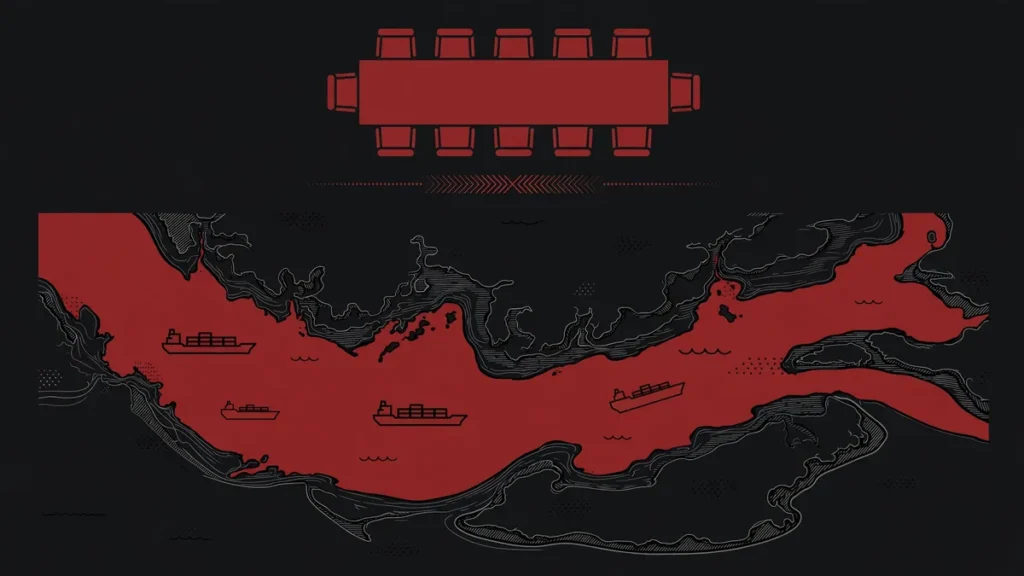
In two days, the Strait of Hormuz tanker campaign added claimed mine strikes and reported projectile strikes. This assessment separates confirmed warnings from unverified claims, and tests Tehran’s two-day reopening proposal against that record.
Key Takeaways
- November 1: UKMTO reported a projectile strike in the strait; Iran’s IRGC Navy claimed two tankers exploded on mines. The accounts are not confirmed as the same incident.
- November 2: UKMTO reported two projectiles hitting a tanker east of Ras Al Khafji. All crew were reported safe.
- Tehran says a two-day plan could reopen the strait if the United States first meets its conditions. No agreement is confirmed.
- Until incidents pause, shippers face caution warnings and higher war-risk costs.
What happened in the Strait of Hormuz on November 1-2?
On November 1, the United Kingdom Maritime Trade Operations (UKMTO) centre said a merchant vessel’s master had relayed a Mayday call at 15:09 UTC stating another vessel had been struck by an unknown projectile in the Strait of Hormuz. UKMTO advised caution while authorities investigated. Later that day, Iran’s Islamic Revolutionary Guard Corps (IRGC) Navy said, via Iranian state media and Sepah News, that two oil tankers, including a supertanker, had exploded after striking naval mines on an unauthorised route.
The IRGC Navy said the vessels had switched off navigation and identification systems, ignored warnings, and were operating with United States military support, and that the supertanker caught fire. It named no vessels, gave no flags or casualty figures, and its claims are unverified. Whether the two reports describe the same vessels is unconfirmed.
On November 2, UKMTO issued warning 192-26: two unknown projectiles struck a tanker’s port side at 23:47 GMT on Sunday, about 72 nautical miles (133 kilometres) east of Ras Al Khafji, while it headed south-east. All crew were accounted for, with no reported environmental impact at that time. UKMTO did not identify the vessel or its ownership, and no party has claimed responsibility.
What came before: the Al-Mayeda attack and the October pattern?
On Friday, Qatar’s state news agency said the Qatari liquefied natural gas (LNG) carrier Al-Mayeda, owned by Qatar Gas Transport Company, had been attacked with unidentified objects in Gulf waters. No crew were reported injured and no environmental impact was reported. Saudi Arabia and the United Arab Emirates condemned the attack.
October had already produced reported incidents, including a UKMTO report on October 30 of a tanker struck north-east of Khasab, Oman, and another south of Iran’s Lavan Island. UKMTO data cited in reporting put transits at 101 vessels over October 22-24, against a 2025 average of about 138 a day. See WarBrief’s October mines explainer and shipping-pressure report.
What is confirmed, what is reported, and why does the gap matter?
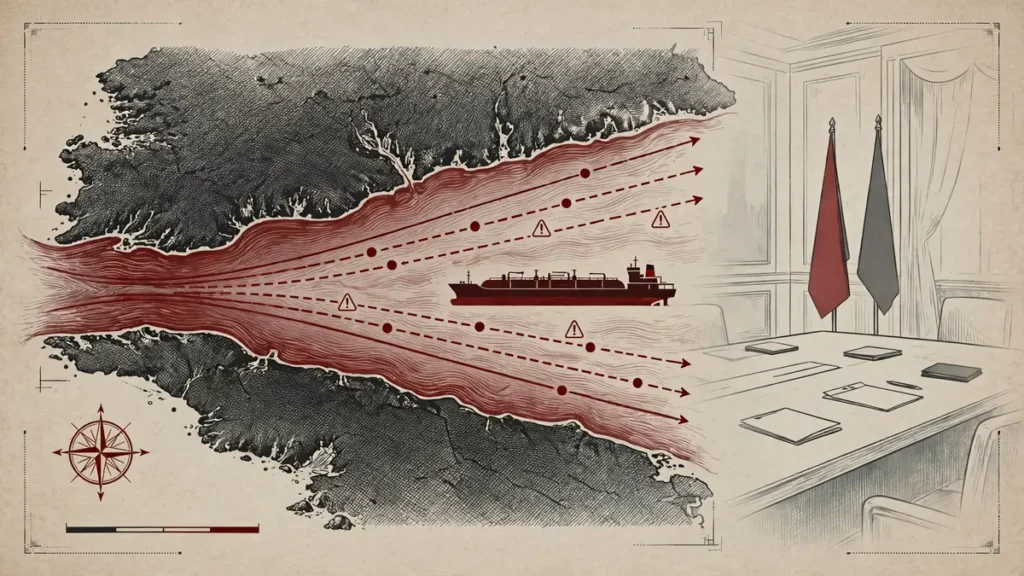
Confirmed, in the narrow sense used here, is that UKMTO issued the two warnings above, that Qatar’s state news agency reported the Al-Mayeda attack, and that Saudi Arabia and the UAE condemned it. Reported, but not independently verified, is the IRGC account of two tankers exploding on mines, including its claims about an unauthorised route, switched-off systems and United States support.
Treat November 1-2 as three report clusters, not one confirmed event: a UKMTO projectile report on November 1; an IRGC mine claim the same day; and a UKMTO two-projectile report on November 2. Collapsing them would overstate the evidence. If the mine claim is accurate, it adds a clearance and insurance problem to any reopening. If exaggerated, it still warns owners that Tehran claims it can stop vessels it deems non-compliant. Either way, the short-term signal to shipping is the same.
| Report | Status | Source |
|---|---|---|
| November 1 projectile report, Strait of Hormuz | CONFIRMED warning; attacker unknown | UKMTO via Arab News |
| November 1 two tankers hit mines, including a supertanker | REPORTED only; unverified IRGC claim | IRGC Navy via Sepah News |
| November 2 two projectiles, 72 nm east of Ras Al Khafji | CONFIRMED warning; crew safe | UKMTO warning 192-26 |
| Friday attack on LNG carrier Al-Mayeda | Qatari agency report; crew uninjured | Qatar News Agency |
What is the two-day reopening proposal, and what does Tehran seek for it?
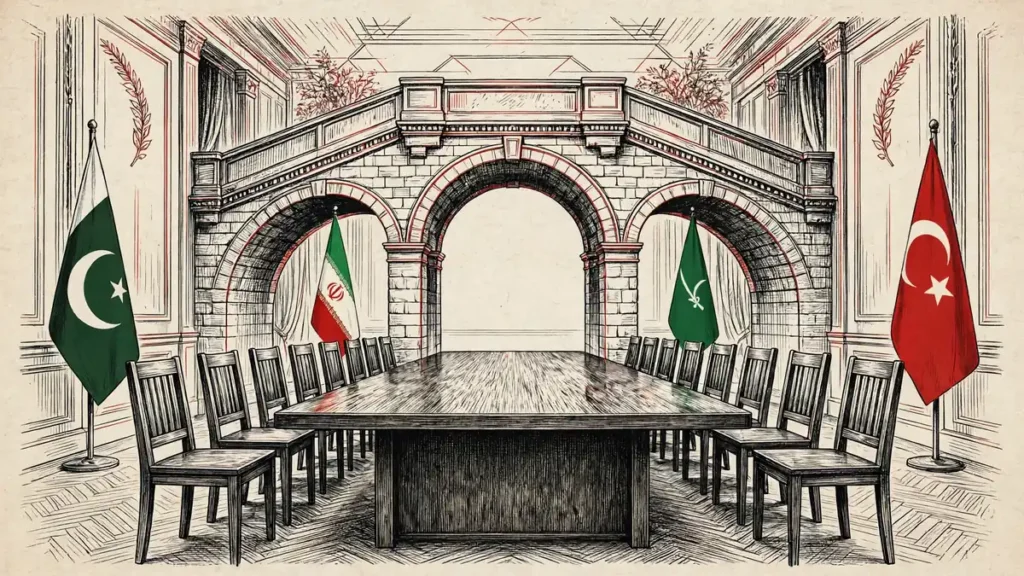
Iranian negotiators were in Doha on November 1 for a third consecutive day of talks with Qatari mediators, aimed at a deal to end the United States-Israeli war on Iran, according to an official briefed on the discussions cited by Reuters. Foreign Minister Abbas Araghchi said the talks had produced a two-day plan: on day one, the United States would implement measures, and on day two, the strait would reopen and transit return to its previous state.
Araghchi said the plan was shortened from an earlier seven-day proposal, that discussions were continuing, and that no final conclusion had been reached. It is a proposal, not an agreed deal, and Washington has not publicly accepted it.
Its conditions, as reported by Al Jazeera and others, include lifting sanctions imposed following the Islamabad memorandum, reducing United States forces in the region, restoring oil waivers, and releasing frozen Iranian funds, including funds held in Qatar. The proposal trades a fast concession, reopening within 48 hours, for sanctions and force-posture relief that would take far longer to verify and reverse. That asymmetry is its central tension.
What does this mean for US, UK and EU readers?
Oil prices fell by more than 3 percent on Monday morning, November 2, after hitting a six-month high the previous week, as traders weighed hopes of diplomacy against renewed attacks. The fall does not mean risk has passed; a single further incident could reverse it. Disrupted Gulf shipping also raises war-risk insurance and freight costs, feeding into fuel and goods prices over weeks. For governments, condemning attacks is separate from accepting Tehran’s conditions, which would outlast any single transit.
Assessment and outlook
Our assessment is that tempo now matters more than the weapon. Three report clusters in four days, spanning the strait, the Gulf coast off Saudi Arabia and an LNG carrier, create a pattern owners will treat as a campaign even where attribution is unresolved. Uncertainty itself deters transits, raises premiums and keeps the strait at the centre of the Doha talks.
Three things would change this assessment: several days with no new UKMTO warnings or claims; independent confirmation, such as vessel names or insurer statements, for the claimed mine incidents; and a public United States response to the two-day plan. Until at least one appears, the prudent reading is that the strait is contested, the proposal is unagreed, and shipping risk remains high.
Read next: WarBrief’s Intelligence Reports hub, the October mines explainer, and Khamenei’s Order and the Doha Track.
Frequently asked questions
Did two tankers really hit mines in the Strait of Hormuz on November 1?
Iran’s IRGC Navy claims they did, including a supertanker that caught fire. That claim is unverified, the vessels are unnamed, and it is not confirmed whether it matches UKMTO’s separate projectile report that day.
What did UKMTO report on November 2?
Warning 192-26 said two unknown projectiles struck a tanker 72 nautical miles east of Ras Al Khafji at 23:47 GMT on Sunday. All crew were accounted for, no environmental impact was reported, the vessel was not identified and no attacker was named.
Sources
- Al Jazeera: Iran war live: Tankers hit in Hormuz
- Arab News: UK agency reports vessel strike in Hormuz; Iran’s Guards say tankers hit mines
- Shafaq News: Two projectiles strike vessel off Saudi coast
- Channel News Asia (Reuters): Iran, Qatari mediators hold third day of talks to end US-Iran war
- The New Indian Express: Iran’s Foreign Minister Araghchi says success of Doha consultations depends on US response
- The National: Oil prices slide more than 3% as Trump signals more time for Iran diplomacy
- The Jerusalem Post: Two oil tankers explode after hitting mine in Hormuz Strait, IRGC says