WarBrief Live | October 25, 2026 | Intelligence Report
Executive summary
In a speech on October 24, 2026, Iranian President Masoud Pezeshkian made two arguments at once: the United States wrecked an interim deal that could have ended the war, and Iran should still pursue an agreement to escape what he called a state of “neither war nor peace.” The remarks, broadcast on state television and posted on the president’s website, are the clearest statement yet of Tehran’s posture: willing to talk, but only after Washington meets conditions Iran set last month.
That posture hardened within hours. On October 25, the IRGC-affiliated Tasnim news agency denied a report that Tehran had offered a new deal to reopen the Strait of Hormuz in exchange for lifting the American naval blockade, calling it “lies and fantasies.” Both sides say a deal is possible; neither accepts the other’s price for one.
This report examines what Pezeshkian actually said, what is publicly known about the seven conditions, and why Pakistan-Qatar mediation has produced statements rather than a settlement.
What Pezeshkian said on October 24
Speaking at a ceremony, Pezeshkian said Iran had been negotiating an interim arrangement when Washington walked away. “We were having negotiations; the cowards [Americans] messed everything up … I still think we should go and conclude it,” he said, according to Reuters’ account of the state television broadcast. The word “cowards” was his; the bracketed clarification was Reuters’.
Isna separately reported Pezeshkian saying Tehran “must go and get out of the ‘no war, no peace’ situation,” arguing Iran’s land is “very rich and exceptional in minerals, geography, and human resources, and each of these is gold.” He added it was “necessary to correct our mentality and get on the right path” and called for national unity.
The domestic pressure behind the speech was explicit: in remarks on his website, Pezeshkian said many Iranians were “struggling to put food on the table because of the war we have found ourselves in, because of the wartime conditions we are living under.” The admission frames his diplomacy as a response to hardship at home, not only to military pressure.
What Pezeshkian did not do is equally significant. He did not say how Iran would exit the stalemate, nor offer a new concession. His call to conclude a deal came paired with blame, not with a fresh proposal — a pattern that has defined Tehran’s public messaging since the June ceasefire collapsed.
The seven conditions behind the stalemate
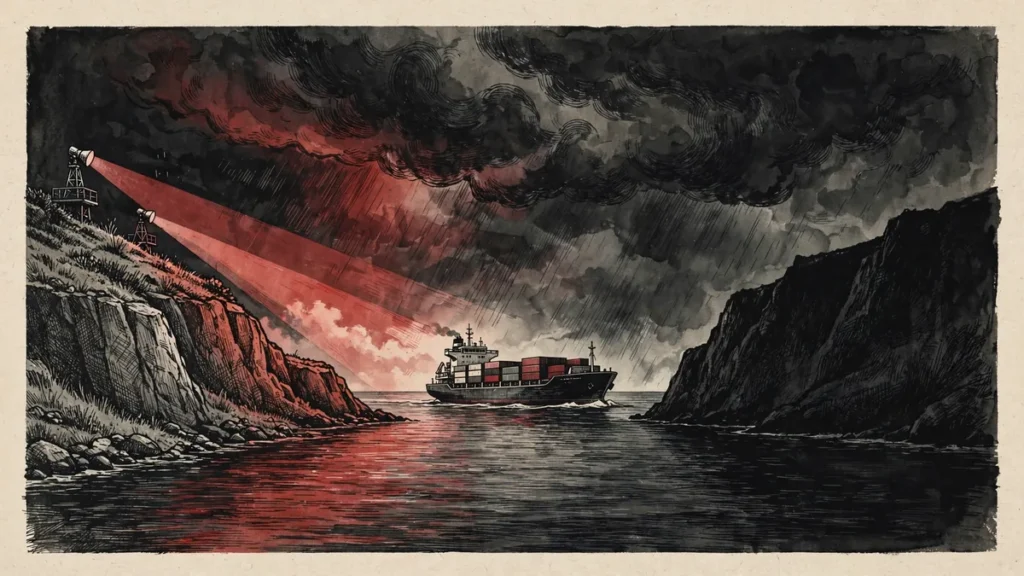
The conditions Pezeshkian’s government is holding to were set out last month, when Iran presented a proposal during the United Nations General Assembly session in New York. Under it, normal passage through the Strait of Hormuz could resume within seven days if Washington met seven conditions rooted in the June interim agreement — the Islamabad Memorandum behind June’s brief ceasefire.
Only some of the seven conditions have been publicly described. Iranian officials have said they include an end to the American blockade of Iranian ports, the lifting of sanctions on Iranian oil exports, and an end to hostilities on all regional fronts. One condition reported by Tasnim is the removal of interference with Iran’s ports and maritime shipping. The full list of seven has not been published.
Mediation has been unusually active: Pakistan’s army chief, Field Marshal Asim Munir, met Pezeshkian, parliament speaker Mohammad Baqer Qalibaf, security council secretary Mohsen Rezaei, and Foreign Minister Abbas Araghchi in Tehran on October 20. According to Iranian readouts, Qalibaf told Munir the strait would not reopen until the seven conditions were met, and Rezaei said no talks with Washington would take place until Tehran’s demands were satisfied.
Qatar has carried messages in parallel. Foreign Minister Araghchi said on October 18, speaking to Iranian media in Baghdad, that the seven-day reopening proposal remained on the table, that Washington had responded through intermediaries, and that Tehran was reviewing the American comments. That sequence is the only confirmed diplomatic movement in weeks.
Related coverage: Iran’s alleged plots against US diplomats and the US decision to order diplomats out of Saudi Arabia amid Houthi strikes.
The Hormuz offer that was not: Tasnim’s denial
The October 25 denial began with a report by the Saudi-owned outlet Al Arabiya, which said Tehran had offered Washington a Hormuz-for-blockade deal via Pakistani mediators. Tasnim, citing an informed source, rejected the report outright, saying Iran had submitted no new proposal to Pakistani mediators and would not accept any equation of the strait with the blockade.
The source added that Iran was circumventing the blockade “through its own methods” and would ultimately break it, and that the seven-point plan had already been conveyed to Washington. The denial confirms that the seven conditions, not a new Hormuz-for-blockade swap, remain Tehran’s stated position.
The episode also illustrates why the information environment around this war is so hard to read. A single unsourced report moved through regional media within hours; its denial came from an IRGC-affiliated outlet — a party to the conflict. WarBrief treats both the original report and the denial as claims by interested parties, not as independently verified facts.
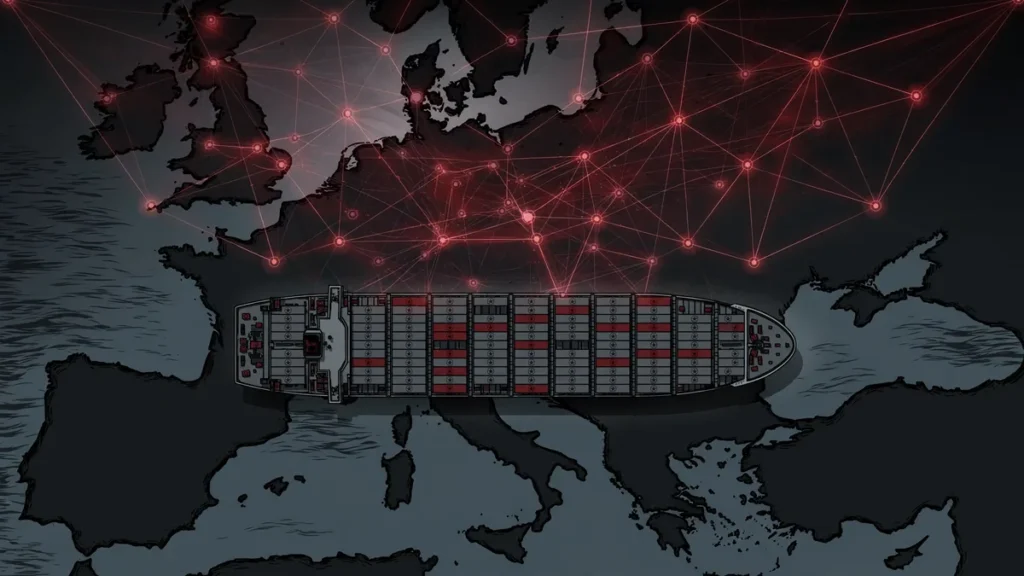
The stakes are concrete: before the war, the Strait of Hormuz handled roughly one-fifth of the world’s traded oil and liquefied natural gas, and every week the standoff continues, shippers and insurers must price in closure risk — a cost that eventually reaches fuel pumps. Our Intelligence Reports hub tracks the strait dispute alongside the wider war.
Assessment and outlook
Pezeshkian’s speech reads less as a peace offer than as a positioning statement ahead of a decision point. On October 24, President Donald Trump told a Florida rally he might act against Iran “maybe tomorrow,” and US ambassador to Turkey Tom Barrack said strikes could resume as soon as this weekend. Our analysis of Trump’s “maybe tomorrow” remark examines the strike-or-deal choice. The IRGC warned that even a limited American action would draw a response “several times greater.”
Three things will determine whether Pezeshkian’s “neither war nor peace” ends in negotiation or renewed fighting. First, whether Washington answers the seven conditions with anything beyond its existing position. Second, whether the Pakistan-Qatar channel can convert that exchange into a written understanding rather than another round of public statements. Third, whether economic pressure, which Washington has leaned on more heavily in recent weeks, forces movement on either side before the military clock runs out.
The most likely near-term outcome is continued stalemate: a war neither fully fought nor ended, with diplomacy conducted through mediators and press statements while both sides keep military options open. Pezeshkian’s speech is notable precisely because he named that condition — and admitted, unusually for a wartime leader, that ordinary Iranians are paying for it.
Sources
- Dawn: Pezeshkian stresses Iran must get out of ‘no war, no peace’ situation
- The Hindu: Iran president says many struggling for food as war bites
- Tasnim: Source rejects report of Hormuz-for-blockade deal with US as ‘lies and fantasies’
- Press TV: Iran presented no new proposals to Pakistani mediator on Hormuz
- Deccan Herald: Iran tells Pakistan army chief no talks with Washington until demands are met
- Al Jazeera: Iran war live — Trump hints at possible Sunday Iran attack or deal