WarBrief Live | October 20, 2026 | Conflict Zones
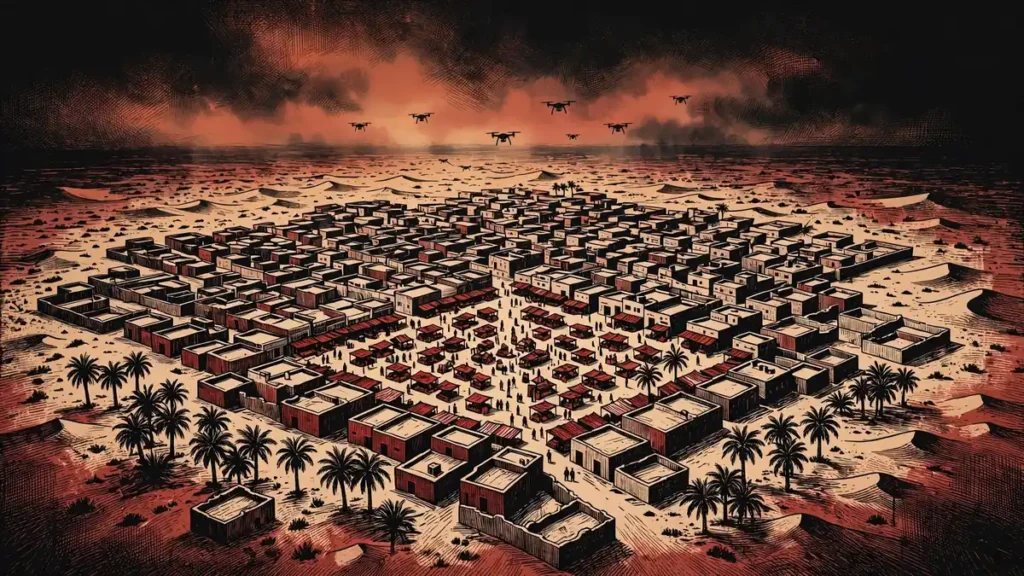
The United States air campaign in Somalia is running at a record pace in 2026, and the civilian cost of that campaign is under renewed scrutiny. On October 20, 2026, Al Jazeera published survivor accounts from a November 2025 offensive around Jamaame, in southern Jubaland, where a Guardian investigation found at least 12 civilians, including eight children, were killed in a November 15, 2025 strike. AFRICOM acknowledges conducting strikes in the area on those dates but disputes that US aircraft caused the reported casualties. See the Conflict Zones hub for related profiles.
Overview
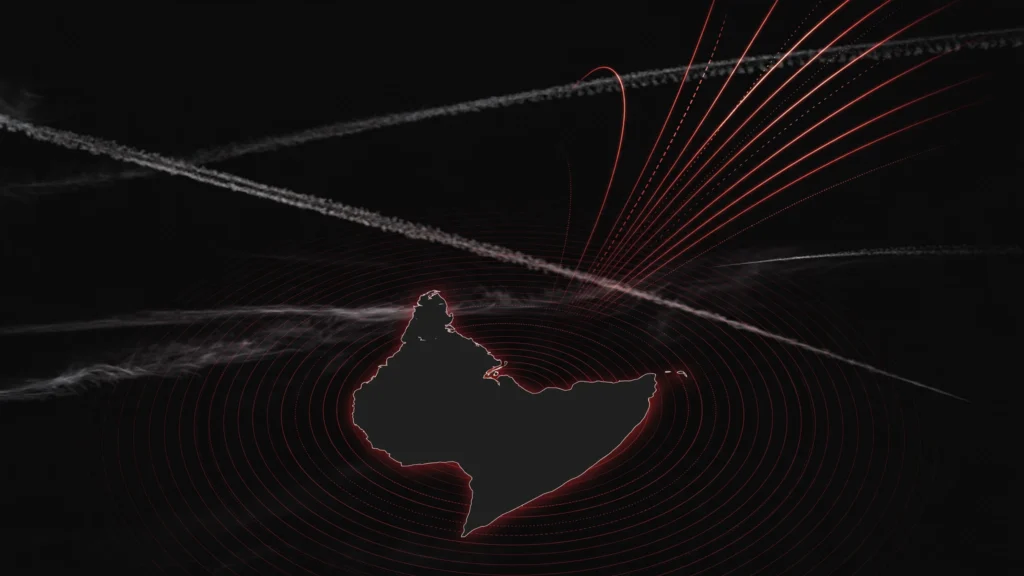
US Africa Command (AFRICOM) has sharply expanded its air war against al-Shabaab and an ISIL-affiliated armed group in Somalia. AFRICOM’s public records list 84 strikes in Somalia through September 2026; the New America Foundation independently counted 88. The trajectory is steep: AFRICOM carried out 124 strikes in 2025 — a record, up from 10 in 2024 and above the previous high of 63 in 2019. Airwars data cited by Al Jazeera shows the second Trump administration already nearing its first-term total at roughly four times the rate recorded under Joe Biden.
Key actors
- United States / AFRICOM: Runs the air campaign, largely with MQ-9 Reaper drones. Commander General Dagvin Anderson acknowledged in Mogadishu in July 2026 that US forces had made mistakes and said the command investigates all credible reports of civilian harm. Since early 2025, AFRICOM has largely stopped disclosing fighter casualties in individual strike announcements.
- Somali federal government: President Hassan Sheikh Mohamud said in early July 2026 that the army would launch a “final offensive” to defeat al-Shabaab.
- Al-Shabaab: The al-Qaeda-linked insurgency controlling large parts of southern and central Somalia and the primary strike target. Jubaland authorities claimed at least 56 fighters killed and 20 captured in the Jamaame offensive; Al Jazeera could not independently verify those figures.
- Independent monitors: Airwars has documented 102 incidents of civilian harm from US operations, estimating 85–162 civilian deaths including 23–26 children. The Arab Reporters for Investigative Journalism (ARIJ) reported on September 28, 2026 that US-led strikes killed or injured at least 216 civilians between 2007 and May 2025. A UNHCR-led protection network documented civilian deaths and mass displacement around Jamaame.
Recent developments
- October 20, 2026: Al Jazeera publishes survivor accounts from the November 2025 Jamaame offensive — Maryam Haji Abdi Guled’s seven-year-old son still carries shrapnel doctors cannot safely remove; farmer Ali Aden Borrow’s nine-months-pregnant wife was killed by debris from what he described as an air strike; farmer Nuur Ali Nuur’s wife was left paralyzed. AFRICOM told Al Jazeera it assessed reports of 10–12 civilians killed and concluded the evidence did not meet its “more likely than not” attribution threshold, declining to say whether investigators spoke to survivors, but said the assessment could be reopened.
- October 17, 2026: AFRICOM announces a strike near Dhobley airport, about 180 km northwest of Kismayo, “in coordination” with the Government of Somalia. No casualty figures were released.
- Late September 2026: The 2026 strike count approaches 86 after Lower Juba strikes, putting the year on pace to challenge the 2025 record.
- September 28, 2026: ARIJ publishes its investigation with Airwars data: at least 216 civilians killed or injured by US-led strikes in Somalia from 2007 through May 2025.
- July 2026: General Anderson acknowledges mistakes and says reparations were provided.
- November 15, 2025: The Jamaame strike. A Guardian investigation published in June 2026 found at least 12 civilians, including eight children, killed in the town’s Burburka neighborhood, with at least 18 homes and a Qur’anic school destroyed — the deadliest US operation for civilians in Somalia during either Trump administration. AFRICOM acknowledged strikes in the area on November 14–15, 2025 but has not admitted civilian deaths.
- November 16–18, 2025: The UNHCR-led network records 22,800 people fleeing Jamaame and surrounding villages, calling the displacement “rapid and widespread.”
Current status
The campaign is at or near record tempo, and the gap between official US assessments and independent documentation of civilian harm is widening:
| Metric | Figure | Status |
|---|---|---|
| US strikes, Somalia, 2026 (through September) | 84 (AFRICOM) / 88 (New America) | CONFIRMED |
| US strikes, Somalia, 2025 / 2024 | 124 (record) / 10 | CONFIRMED |
| Civilian deaths, Jamaame, Nov 15, 2025 | At least 12, including 8 children | REPORTED — AFRICOM disputes attribution |
| Displaced around Jamaame, Nov 16–18, 2025 | 22,800 | REPORTED — UNHCR-led network |
| Airwars estimate, civilian deaths, all US Somalia operations | 85–162, incl. 23–26 children | REPORTED |
CONFIRMED figures are supported by two or more independent sources; REPORTED figures come from investigations or monitoring networks and are disputed or unverified by the parties involved.
Tempo is at a record (~4x the Biden-era rate), transparency is eroding (no fighter-casualty disclosures in strike announcements since early 2025), and the ground war is in stalemate. See also today’s Sudan drone-war profile and our earlier Somalia al-Shabaab profile (February 2026).
What to watch
- The 2026 strike total: whether the campaign surpasses 2025’s record of 124 strikes, and whether tempo changes once the promised Somali ground offensive begins.
- The Jamaame assessment: whether AFRICOM reopens its civilian-harm review or pays new reparations to Jamaame families.
- Jubaland ground operations: whether Somali and Jubaland forces convert air support into territorial gains, or whether displacement grows.
- Humanitarian access: the situation of the roughly 22,800 people displaced in November 2025, many still in debt and without adequate medical care.
Sources
- Al Jazeera: The human cost of surging US air strikes in Somalia (October 20, 2026)
- Somalia Today: US drone strike killed 12 civilians in Somalia, report says (Guardian investigation, June 2026)
- Somaliland Standard: US airstrikes in Somalia have caused civilian casualties totaling 216 people (ARIJ report, September 2026)
- Defense and Tech: US Air War Against al-Shabaab Nears 2026 Record (October 1, 2026)
- Radar Africa: US air strikes in Somalia raise concerns over civilian casualties (October 20, 2026)
- Demócrata: New US airstrike against Al Shabaab near Dhobley airport (October 17, 2026)