
WarBrief Live | October 12, 2026 | Energy & Oil
On October 9, 2026, US President Donald Trump announced that the United States would begin importing Russian diesel fuel under an arrangement he said he had reached with Russian President Vladimir Putin — an extraordinary reversal of the Western sanctions regime built up since Russia’s full-scale invasion of Ukraine in 2022. The Trump-Putin diesel deal promises up to 4.8 million tons of Russian fuel for American and global markets, landing just weeks before the November 3 midterm elections as record diesel prices squeeze households, truckers, and farmers across the United States, Britain, and the European Union. This explainer lays out what the deal contains, who supports and opposes it, and what it could mean for the fuel prices you pay.
Key Takeaways
- Trump said on October 9 that Putin agreed to release 300,000 tons of diesel immediately, 500,000 tons in November, and millions more after that — roughly 4.8 million tons in total. Moscow confirmed its readiness to supply fuel but has not confirmed the specific volumes.
- The US Treasury issued a temporary general licence allowing Russian-origin diesel into US and global markets until April 7, 2027 — the largest fuel-related sanctions relaxation since 2022.
- Ukraine, Canada, Germany, and the EU have denounced the deal; Zelensky called it a “weak decision,” and Trump responded that Ukraine needs “a new president.”
- Analysts say the first shipments are too small to move prices much: the initial tranche equals roughly half a day of US diesel consumption.
What did Trump and Putin actually agree to?
According to Trump’s own account of the October 9 call, the deal unfolds in four tranches: more than 300,000 tons of diesel “immediately,” another 500,000 tons in November, one million tons “immediately thereafter,” and then three million tons more “within a short period” — the last part conditional on the state of Russia’s refineries, which have been repeatedly hit by Ukrainian drone strikes. Added together, the headline total comes to about 4.8 million tons, which the Wall Street Journal calculates as roughly 35.8 million barrels.
Important caveat: those tonnages come from Trump’s Truth Social post. The Kremlin’s own statement, as reported by USA Today, merely “reaffirmed its readiness to supply oil and petroleum products to the US and global markets” without confirming any figures. So treat the volumes as the White House’s announced framework, not a jointly published contract.
The legal machinery moved fast. The US Treasury’s Office of Foreign Assets Control issued a temporary general licence permitting the sale, delivery, offloading, and direct importation of Russian-origin diesel into US and global markets until April 7, 2027, according to The Week. For its part, Russia has begun lifting the diesel export ban it has imposed since July 2026: Deputy Prime Minister Alexander Novak said Moscow was “immediately starting to lift restrictions on diesel exports ahead of schedule,” with a partial lift taking effect on October 10 covering a first 500,000-ton stage. As of October 12, however, no cargo has been confirmed as shipped — Russian oil companies have only been authorized to begin negotiating supply contracts.
By the numbers: the diesel deal in figures
| Metric | Figure | Source |
|---|---|---|
| Immediate tranche | 300,000+ tonnes | Trump, Truth Social, Oct 9 (REPORTED — from Trump’s announcement) |
| November tranche | 500,000 tonnes | Trump, Truth Social, Oct 9 (REPORTED) |
| Subsequent tranches | 1M tonnes, then 3M tonnes (conditional on refinery state) | Trump, Truth Social, Oct 9 (REPORTED) |
| Headline total | ~4.8M tonnes ≈ 35.8M barrels | Trump / Wall Street Journal, Oct 12 (REPORTED) |
| OFAC licence window | Through April 7, 2027 | US Treasury / The Week (CONFIRMED) |
| Russian export ban lifted | Partial lift effective Oct 10 | Alexander Novak / Reuters (CONFIRMED) |
| US diesel average | $6.28 per gallon (near record) | Le Monde, Oct 10 (CONFIRMED) |
| EU diesel average | €2.24 per litre (record) | AFP / European Commission data (CONFIRMED) |
| UK diesel average | 200.01p per litre, Oct 2 (first time above £2) | RAC (CONFIRMED) |
Caveat: the tranche figures come from Trump’s announcement alone — Moscow confirmed its readiness to supply fuel but has not endorsed the specific volumes. Price figures are recent reported averages, not live pump prices.

Background and timeline: how did diesel get this expensive?
Diesel prices were already under pressure before October, for three overlapping reasons. First, the US-led war in Iran that began in February 2026 disrupted shipping through the Strait of Hormuz and pushed crude oil above $100 a barrel — the backdrop to why oil prices surged past $103 in October. Second, Russia — historically a major diesel exporter — has been banning most diesel exports since July 2026, partly because Ukrainian drone strikes have repeatedly damaged its refineries, tightening global supply. Third, diesel is the fuel that moves freight, farms, and construction, so diesel prices rise fastest during wartime and stay high long after crude steadies.
- July 2026: Russia imposes restrictions on diesel exports, extended through October 31.
- Early October 2026: EU average diesel hits a record €2.24 a litre; UK diesel passes £2 for the first time; the G7 responds with a 100-million-barrel emergency diesel and oil release.
- October 9: Trump announces the diesel arrangement with Putin and thanks him publicly.
- October 10: Russia partially lifts its diesel export ban; Zelensky calls the deal a “weak decision”; Trump says Ukraine needs “a new president.”
- October 11: Canada’s prime minister condemns the deal in a call with Zelensky; Trump claims an “energy ceasefire” between Ukraine and Russia — which Russian strikes on Ukrainian energy sites hours later undermined.
- October 12: EU foreign ministers meet to approve what is being billed as the largest Russia sanctions package of the war.
Why is the West split over the deal?
Ukraine’s reaction was immediate. President Volodymyr Zelensky told reporters on October 9 that the arrangement was “in my view, a weak decision” — and, in his fuller formulation, “certainly not honest, certainly unworthy of our partners.” Reuters reported him calling it “an investment in a war that must be ended.” Trump’s reply, delivered on October 10 after Zelensky’s criticism, was blunt: “I think it’s time for Ukraine to get a new president,” he said, adding that Zelensky had disobeyed his order to stop striking Russian refineries — strikes Trump says worsen the fuel shortages tied to the US-Israel war on Iran.
European and North American allies sided with Kyiv. Canadian Prime Minister Mark Carney told Zelensky in an October 11 call that the deal “is in direct opposition to the efforts of Ukraine, Canada, and our allies to create peace and stability in Europe” and would provide Russia additional revenue to finance its war. Germany’s government spokesman Stefan Cornelius said Berlin “does not want any oil or petrol from Russia” and stands by existing sanctions. EU foreign-policy chief Kaja Kallas declared: “This is not the time to ease pressure on Russia, and Europe won’t,” as reported via dpa — and she convened EU foreign ministers on October 12 to approve what she called the largest sanctions list since the war began.
The backlash is not only diplomatic. In Washington, Rep. Brian Fitzpatrick announced on October 10 that he would introduce the “Ronald Reagan Peace Through Strength Act” to block any Russian oil purchases, vowing to force it to the House floor via a discharge petition. No vote has happened yet — the House is not scheduled to vote until after the midterms. There is also a legal fight: Senator Thom Tillis has argued the arrangement may violate the 2022 ban on Russian energy imports, while Treasury Secretary Scott Bessent said the administration would proceed “with all the legal authorities we have.”
And there is an awkward subplot for US diplomacy. As The Week noted, India has spent months under American pressure — including the threat of heavy tariffs — over its purchases of discounted Russian crude, even as Washington now clears its own Russian diesel imports. Expect New Delhi to make something of that contrast in the weeks ahead.
What this means for US/UK/EU readers
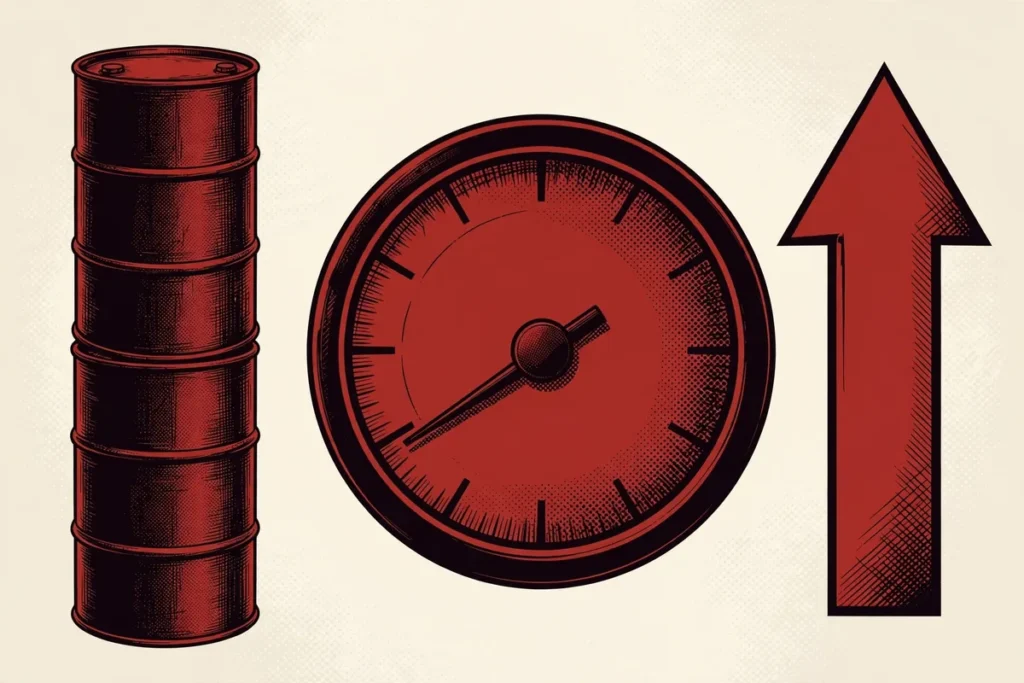
United States: The deal is aimed squarely at the November 3 midterm elections — high fuel prices driven by the Iran war are described by multiple US outlets as a major liability for Trump and congressional Republicans. But relief is unlikely to be fast or large. The initial 300,000-ton tranche equals roughly 2.25 million barrels, or about half a day of US diesel consumption (the US burns roughly 3.6–3.8 million barrels of diesel a day), and the Journal calculates the full 4.8 million tons would cover just over nine days of US demand. Truckers, farmers, and ranchers — the groups Trump named as his “greatest priority” — should not expect pump prices to collapse this month.
United Kingdom: Diesel remains above £2 a litre for the first time on record (200.01p on October 2, per the RAC), and Britain imports a large share of its diesel. If Russian barrels actually reach global markets, UK wholesale prices could soften — but only if the volumes materialize, the ships sail, and traders price in the extra supply rather than the sanctions risk.
European Union: EU diesel sits at a record €2.24 a litre, and the bloc is moving in the opposite direction from Washington — toward more sanctions, not fewer. Kallas’s October 12 ministerial meeting may add new restrictions that partly offset any price relief from Russian barrels. Winter heating demand will test the market either way.
Note: this article is educational only and is not financial advice. Fuel prices depend on many factors beyond this deal, including shipping insurance, refinery capacity, and further sanctions decisions.
What to watch next
Five things will determine whether this deal is a footnote or a turning point. First, whether any Russian cargo actually ships — so far only contract negotiations are authorized. Second, what the EU foreign ministers decide on October 12: a tough new sanctions package could re-tighten the market the deal is meant to loosen. Third, whether Fitzpatrick’s discharge petition gathers the 218 House signatures it needs after the midterms. Fourth, whether the Trump administration’s legal authority holds up if the 2022 import ban is challenged in court. And fifth, the energy ceasefire Trump claimed on October 11: if Russian strikes on Ukrainian power plants continue — as Zelensky reports — the political cover for buying Russian fuel shrinks fast.
Different perspectives
The White House frames the deal as pure consumer relief: more supply means lower prices, and lowering prices is, in Trump’s words, his “greatest priority” for farmers, ranchers, and truckers. Kyiv and its European allies see the same transaction as war finance: every dollar of revenue strengthens the Russian state fighting Ukraine. Analysts cited by multiple outlets split the difference — the volumes are modest relative to consumption, so the market effect is likely limited and mostly psychological unless the larger follow-on deliveries materialize and Russian refineries recover from the Ukrainian strikes that damaged them.
Frequently asked questions
What is the Trump-Putin diesel deal?
On October 9, 2026, Donald Trump announced that Russia would supply the US and global markets with diesel in four tranches totaling about 4.8 million tons, backed by a US Treasury licence allowing Russian-origin diesel imports until April 7, 2027. Russia confirmed its readiness to supply fuel but has not confirmed the specific volumes Trump announced.
Will the diesel deal lower fuel prices?
Probably not much in the short term. The initial 300,000-ton tranche is roughly half a day of US diesel consumption, and the Wall Street Journal calculates the full 4.8 million tons would cover just over nine days of US demand. Analysts expect limited and mostly psychological price effects unless the larger follow-on deliveries materialize.
Why do Ukraine and Europe oppose the deal?
They argue it hands Moscow new revenue to fund its war in Ukraine. Zelensky called it a “weak decision” and an “investment in a war that must be ended”; Canada’s prime minister said it opposes allied peace efforts; Germany and the EU say sanctions must not be eased.
Can the US Congress block the deal?
Possibly, but not quickly. Rep. Brian Fitzpatrick plans to introduce legislation blocking Russian oil purchases and force a House vote via a discharge petition, which needs 218 signatures. No vote has happened, and the bill would also need Senate approval and could face a presidential veto.
Has any Russian diesel shipped yet?
No. As of October 12, 2026, no cargo has been confirmed as shipped. Russia partially lifted its export ban on October 10 and authorized its oil companies to begin negotiating supply contracts, but those are negotiations, not deliveries.
Sources
- USA Today: Trump says US to import Russian diesel, reversing pressure on Moscow
- Wall Street Journal: Trump said Russia will release 4.8 million tons of diesel — is it enough to cool prices?
- Le Monde: Trump and Putin sign diesel deal, angering Ukraine and its allies
- Straits Times: Ukraine needs “a new president” — Trump and Zelensky clash over diesel deal
- Channel News Asia (AP): Republicans and Democrats oppose Trump’s Russia diesel deal
- Baltic News (dpa): EU slams Trump-Putin diesel deal, warns of boost to Russia’s war funds
- The Week: Trump’s diesel deal with Putin may ease prices but exposes US double standards
- Al Jazeera: Why is the US turning to Russia for diesel despite sanctions?
- Tehran Times: Trump’s diesel deal with Putin — how much, how long, and will it cut prices?
- Economic Times: Russia partially lifts diesel export ban after Putin-Trump deal


Discussion 0
Share analysis, corrections, or context. Be civil — comments are moderated.