WarBrief Live | October 26, 2026 | Country Profile
The Philippines chairs ASEAN in 2026 while its armed forces change direction. Philippines military capabilities are pivoting from internal security toward defending the archipelago and its exclusive economic zone, above all in the West Philippine Sea, under the Comprehensive Archipelagic Defense Concept.
Key Takeaways
- The Philippines hosts the 20th ADMM and 13th ADMM-Plus in Cebu, with main sessions on October 28-29.
- Its doctrine pivots the AFP from internal security toward external, archipelagic defense.
- Proposed 2026 defense allocation: 430.87 billion pesos, including 40 billion pesos in modernization funds.
- The U.S. alliance, including nine EDCA sites, remains the central pillar of Philippine deterrence.
Overview
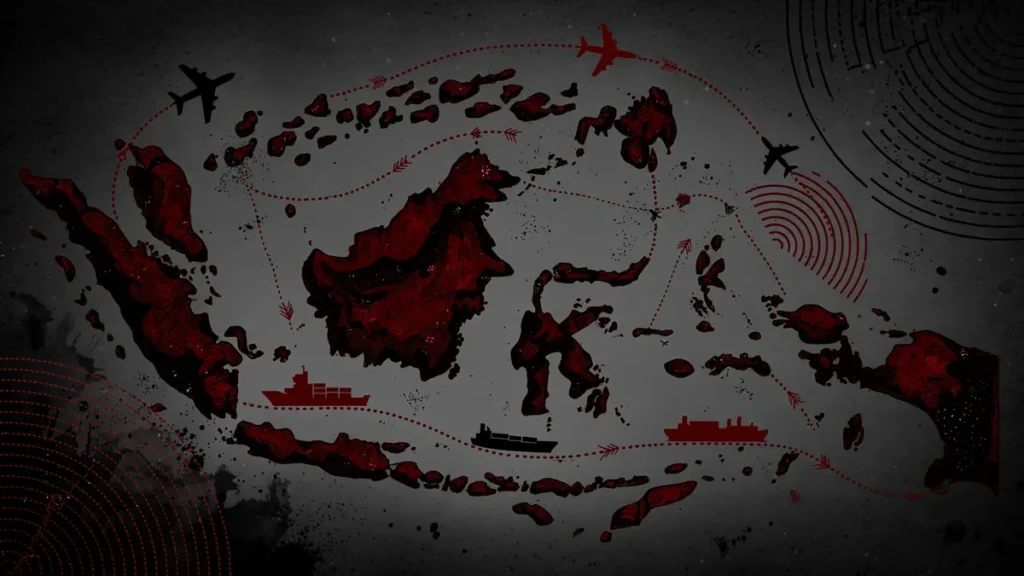
The Philippines is a sprawling archipelago whose security problems arrive mostly by sea. Its defense debate is therefore maritime: how to patrol island territories and features across a wide exclusive economic zone with forces long built for internal security. Under President Ferdinand Marcos Jr., Manila has shifted doctrine, funding and alliances, and its 2026 ASEAN chairship, under the theme “Navigating Our Future, Together,” puts that shift on display. See our Country Profiles hub. The Philippines is a mid-sized force changing direction, not a major military power.
Military capabilities
The AFP’s three major services are the Army, the Navy and the Air Force. The Army is the largest service by tradition, but modernization emphasis falls on the Navy and Air Force, because archipelagic defense depends on ships, aircraft, coastal missiles and the sensors linking them. The Coast Guard is a separate civilian agency.
Modernization runs through the Revised AFP Modernization Program, in phases known as Horizons. Under Horizon 1, the AFP acquired FA-50 light fighter jets and Jose Rizal-class frigates, according to Rappler’s summary. Horizon 2 added Miguel Malvar-class frigates, patrol vessels, Black Hawks, BrahMos missiles and Sabrah tanks. BRP Miguel Malvar joined a Japan-U.S. maritime activity on October 19-24, per the AFP.
BrahMos shows both progress and limits. The Philippines signed an 18.9-billion-peso deal for BrahMos missiles from India in January 2022, received the first batch in April 2024 and the second in April 2025, according to Philippine press reporting. That gives Manila a new land-based anti-ship capability, but not parity with larger navies. The program has faced delays that a former AFP deputy chief of staff attributed to funding constraints. Re-Horizon 3, approved in January 2024, is a roughly 10-year plan reported to cost about 2 trillion pesos, prioritizing multirole fighters, radars, frigates, missile systems and rescue helicopters.
| Metric | Figure | Source |
|---|---|---|
| 2026 defense sector, proposed | 430.87 billion pesos | GMA News; Manila Bulletin |
| Modernization funds, proposed 2026 | 40 billion pesos | GMA News |
| Re-Horizon 3 plan | About 2 trillion pesos, 10 years | CoverStory; Manila Bulletin |
| EDCA sites | 9 | U.S. Department of Defense; CSIS |
| Cebu meeting personnel deployed | 3,670 | Daily Tribune; Cebu Daily News |
All budget figures are proposed, not enacted; a further 50 billion pesos in unprogrammed funds depends on additional revenues.
Alliances & posture
Philippine posture is explicitly defensive in its public framing: deter coercion, uphold international law, and keep sea lanes and fishing grounds accessible. Its legal anchor is the July 12, 2016 arbitral ruling under the law of the sea, invoked against expansive South China Sea claims. The Comprehensive Archipelagic Defense Concept, whose gist Defense Secretary Gilberto Teodoro Jr. announced in January 2024, directs the AFP to build capabilities up to the country’s exclusive economic zone.
The U.S. alliance remains the central pillar. The two countries are bound by the 1951 Mutual Defense Treaty, and the Enhanced Defense Cooperation Agreement, signed in 2014, gives U.S. forces rotational access to agreed locations inside Philippine military facilities. The four sites added in 2023 were Naval Base Camilo Osias in Santa Ana, Cagayan; Lal-lo Airport in Lal-lo, Cagayan; Camp Melchor Dela Cruz in Gamu, Isabela; and Balabac Island in Palawan, bringing the total to nine. Washington said the sites would strengthen interoperability and joint disaster response. EDCA provides rotational access, not permanent foreign bases. India supplies BrahMos, and Manila trains regularly with Japan, Australia and other partners. Our explainer on how anti-ship missiles work sets out the guidance concepts behind that coastal defense.
Current developments
The live test of the chairship comes this week in Cebu. The 20th ASEAN Defence Ministers’ Meeting and the 13th ADMM-Plus run as related activities from October 26 to 30 in Lapu-Lapu City, with main sessions on October 28 and 29 at the Mactan Expo Center, per the defense department. The ADMM-Plus brings together ASEAN members and eight dialogue partners: Australia, China, India, Japan, New Zealand, Russia, South Korea and the United States. Lapu-Lapu City declared a citywide no-fly zone for drones, kites, balloons and other flying objects from October 26 to 30, and 3,670 security and medical personnel were deployed.
The agenda covers regional and maritime security, adherence to international law, and cooperation during natural disasters. The South China Sea dispute, including the Ayungin Shoal (Second Thomas Shoal) question, forms the live backdrop, and any joint statements will require consensus. Our ADMM-Plus 2026 preview sets out what to expect from the ministerial sessions. Watch whether Cebu agrees maritime-security language, whether Congress keeps the proposed 2026 allocation intact, and what the November Manila summit carries forward.
Frequently asked questions
How strong is the Philippines military?
It is a mid-sized, modernizing force strong in coastal defense and alliance partnerships, with gaps in air power, surveillance coverage and funding.
What is the Comprehensive Archipelagic Defense Concept?
It is the Philippines’ defense doctrine, announced in gist in January 2024, pivoting the AFP from internal security toward external defense of the archipelago and its exclusive economic zone.
What are the EDCA sites?
Nine locations inside Philippine military facilities where U.S. forces have rotational access under the Enhanced Defense Cooperation Agreement.
Why does the ASEAN chairship matter for defense?
As chair, the Philippines sets the defense ministerial agenda and hosts the ADMM and ADMM-Plus, pushing cooperation on maritime security, international law and disaster response, subject to consensus.
Sources
- PTV News: Philippines to host 20th ADMM, 13th ADMM-Plus in Cebu
- Philippine Information Agency: Cebu Capitol, defense officials firm up preparations for ASEAN ministers’ meetings
- Daily Tribune: PNP, AFP deploy 3,670 for ASEAN defense meets
- Cebu Daily News: Lapu-Lapu imposes no-fly zone for ASEAN defense meetings
- GMA News: Proposed defense budget up 14%; P40 billion for AFP modernization
- Manila Bulletin: AFP modernization gets P40B in 2026 national budget
- Rappler: Fast facts – The military’s modernization push
- CSIS Asia Maritime Transparency Initiative: More Than Meets the Eye – Philippine Upgrades at EDCA Sites