WarBrief Live | November 15, 2026 | Conflict Zone
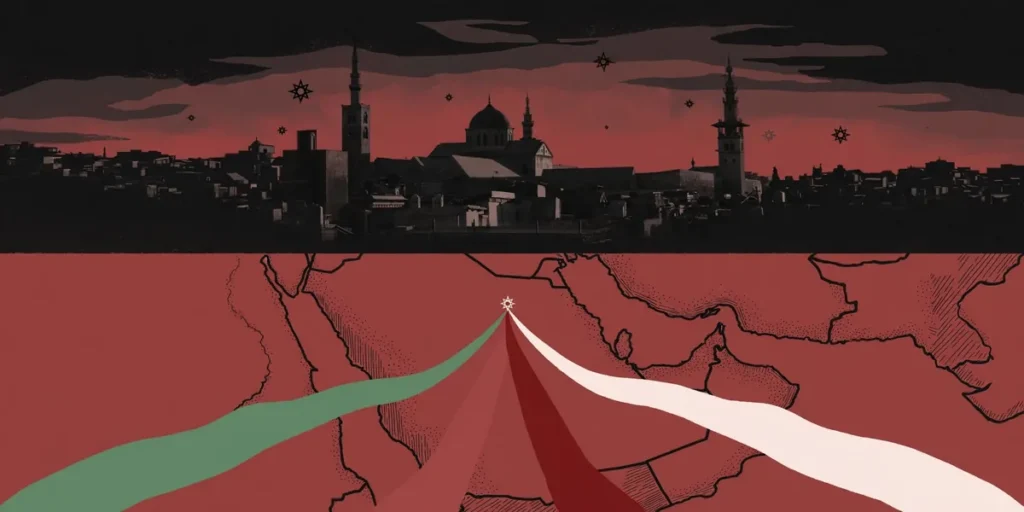
The Red Sea shipping corridor — the Bab el-Mandeb Strait, the Red Sea and the Suez route linking Asia with Europe — is back at the centre of the Middle East war. On November 15, Saudi air defences intercepted two Houthi ballistic missiles aimed at Riyadh, hours after Iran reported three oil tankers striking mines in the Strait of Hormuz. The two chokepoints, roughly 2,000 kilometres apart, now form a single contested system, and the toll is measured in rerouted vessels, doubled insurance premiums and suppressed traffic.
Key Takeaways
- November 15: the Saudi-led coalition said it intercepted two Houthi ballistic missiles aimed at Riyadh and three drones in the Eastern Province.
- November 14: Iran reported three oil tankers catching fire after striking mines near Hormuz; US Central Command dismissed the claims as false, and no independent confirmation has emerged.
- Hormuz traffic is down about 70 percent from pre-war levels, according to Al Jazeera; Bab el-Mandeb cargo transits were 47 percent below pre-crisis levels in September, according to Lloyd’s List Intelligence.
- Rerouting around Africa adds 10 to 14 days per voyage, and war-risk premiums have roughly doubled.
Overview: one corridor, two chokepoints
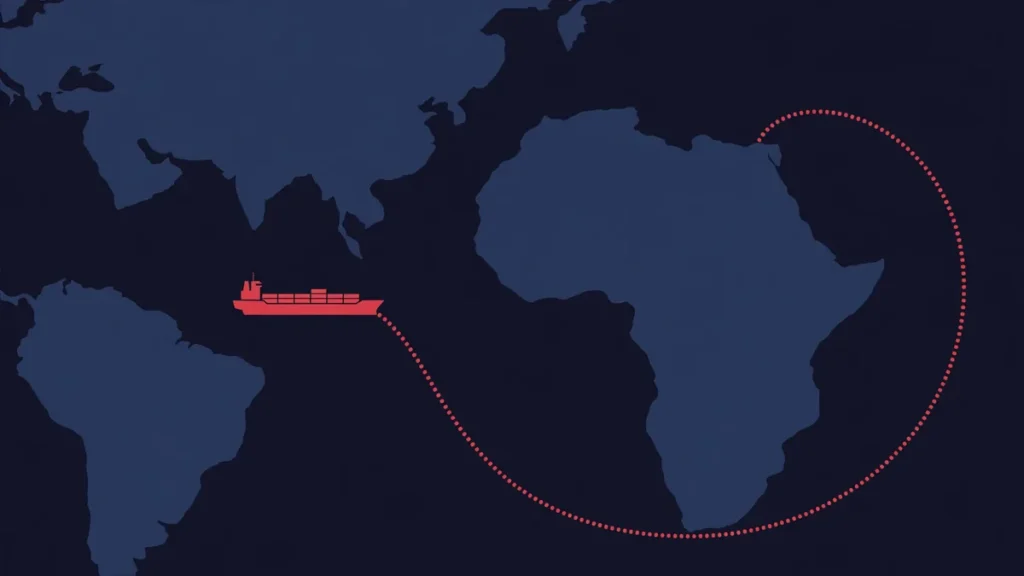
The corridor runs from the Gulf of Aden through the Bab el-Mandeb Strait — about 18 miles wide at its narrowest — up the Red Sea to the Suez Canal. Under normal conditions it carries roughly 12 percent of global seaborne trade and about 30 percent of container traffic between Asia and Europe. Since late 2023, the Houthis have attacked commercial shipping in the strait and the southern Red Sea, and most major container lines have diverted around the Cape of Good Hope.
The second chokepoint is the Strait of Hormuz. The US-Iran war, which began on February 28, 2026, is in its ninth month, and Tehran has tightened its grip on Hormuz traffic: under regulations issued on October 26, vessels must obtain permission and follow the coordination of the Revolutionary Guard’s Maritime Traffic Control Center. What happens in one strait now moves markets and military planning in the other. For the comparison in detail, see our Bab el-Mandeb vs Strait of Hormuz explainer.
Who are the key actors?
The Houthis (Ansar Allah). The movement controls most of Yemen’s populous areas and the Red Sea coastline facing Bab el-Mandeb. Since September 11, 2026, its fighters have also held Mayyun Island, the volcanic outcrop that divides the strait into two shipping channels. Its missiles and drones reach Saudi cities as well as ships at sea.
The Saudi-led coalition. The coalition backs Yemen’s internationally recognised government and runs the air defence network over Saudi Arabia. Its ground offensive, Operation Dawn of Yemen, launched in early October 2026, is the only active effort to push Houthi forces back from the coast. The land war is profiled in our Yemen-Saudi escalation entry.
Iran and the Revolutionary Guard Navy. Tehran backs the Houthis and enforces its Hormuz transit rules through the Guard’s navy, which reported two of the November 14 tanker incidents; Iran’s regular navy reported the third.
The United States and its partners. US Central Command disputes Iran’s mine claims, says US forces have cleared the main Hormuz transit routes of mines, and coordinates naval protection for shipping. The UK Maritime Trade Operations centre (UKMTO) and the Joint Maritime Information Center publish the weekly transit and incident counts the industry relies on. Shippers and insurers set the real price of the conflict: reroute, pay the premium, or wait.
Recent developments
- October 26, 2026: Tehran issues regulations requiring vessels transiting Hormuz to obtain permission and follow the Revolutionary Guard’s Maritime Traffic Control Center.
- November 10, 2026: UKMTO’s weekly report counts Hormuz transits about 65 percent below pre-conflict levels, with most transponder-on vessels using the Iranian route to the north.
- November 13, 2026: The UN Security Council meets at Bahrain’s request on Gulf maritime security. UN reporting notes Bab el-Mandeb transits down by roughly a quarter since the Houthis declared a blockade on Saudi-linked shipping in July.
- November 14, 2026: Iran’s Revolutionary Guard Navy says two oil tankers exploded and caught fire after striking mines on an unauthorised route south of Hormuz; Iran’s regular navy says a third tanker struck a mine east of the strait. No vessel names, flags, cargoes or casualty figures are disclosed. US Central Command dismisses the mine claims as false, and no independent confirmation emerges.
- November 15, 2026: The Saudi-led coalition says its air defences intercepted two Houthi ballistic missiles launched towards Riyadh and shot down three drones in the Eastern Province. A civil defence alert sounded in Riyadh at 4:08 a.m. Bahrain issues a threat alert the same morning. Saudi authorities have recorded at least 26 people killed in suspected Houthi attacks in Saudi Arabia since September 23.
Current status: what the shipping numbers show
The corridor is open in name and throttled in practice. Traffic through Hormuz is down about 70 percent from pre-war levels, from 130 to 140 passages a day to around 36, according to Al Jazeera. At Bab el-Mandeb, cargo transits stood at 1,215 vessels in September 2026, 47 percent below pre-crisis levels, according to Lloyd’s List Intelligence. The financial toll is documented in our breakdown of what the tanker war costs: rerouting around the Cape of Good Hope adds about 3,500 nautical miles and up to 40 percent more fuel, while war-risk premiums for Red Sea transits roughly doubled in August 2026 to about 1 percent of vessel value, according to Marsh McLennan data.
| Metric | Figure | Source |
|---|---|---|
| Hormuz transits vs pre-war | About 36/day, down about 70% from 130–140 | Al Jazeera |
| Bab el-Mandeb cargo transits, Sep 2026 | 1,215 vessels, 47% below pre-crisis | Lloyd’s List Intelligence |
| Killed in Houthi attacks on Saudi Arabia since Sep 23 | At least 26 | Saudi authorities |
| Cape of Good Hope diversion | 10–14 extra days, about 3,500 nautical miles | Trade-press reporting |
| War-risk premiums, Red Sea | About 1% of vessel value, doubled Aug 2026 | Marsh McLennan data |
Figures come from different sources using different counting methods and are not directly comparable. The November 14 mine claims are unconfirmed and are not in this table.
What to watch next
First, confirmation — or the lack of it — for the November 14 tanker incidents: a statement from a shipowner, an insurer or a flag state, or a UKMTO incident report, would settle whether mines were involved at all. Second, whether the Houthis sustain the new pattern of ballistic-missile attacks on Riyadh, or whether November 15 was a one-day spike. Third, Mayyun Island: while Houthi fighters hold the rock that splits Bab el-Mandeb, the strait’s remaining traffic depends on their tolerance. Fourth, the weekly UKMTO counts — the most reliable public read on whether traffic is stabilising or still falling. And fifth, insurance: another rise in war-risk premiums would push more operators to the Cape route regardless of what happens at sea. The full index of active theatres is on our Conflict Zones hub.
Frequently asked questions
Is the Red Sea shipping corridor closed?
No. There is no formal closure of either strait, but traffic is heavily suppressed: Hormuz transits are down about 70 percent from pre-war levels and Bab el-Mandeb cargo transits were 47 percent below pre-crisis levels in September 2026. Most container lines reroute around Africa, while a smaller number of vessels continue to transit at higher insurance cost.
What happened to the three tankers near Hormuz on November 14?
Iran says three oil tankers caught fire after striking mines — two south of the strait and one east of it — while sailing unauthorised routes with tracking systems off. US Central Command dismissed the claims as false, no vessel was identified, and no independent confirmation has emerged. Treat the incidents as reported, not confirmed.
How does this affect readers in the US, UK and EU?
Longer voyages and higher freight and insurance costs feed into fuel prices and the price of goods shipped between Asia and Europe. The Hormuz link matters most for energy: the strait carried about a fifth of the world’s seaborne oil trade before the war, so disruption there moves oil prices globally.
Sources
- Al Jazeera: Saudi-led coalition intercepts suspected Houthi missiles and drones
- Arab News: Coalition forces intercept 2 Houthi missiles targeting Riyadh, 3 drones in Eastern Province
- Channel News Asia: Iran says 3 oil tankers hit mines in Strait of Hormuz
- Reuters via Stockbiz: Iran says 3 oil tankers hit mines in Strait of Hormuz
- UN News: Security Council live — Fragile Gulf calm tested as threats to Hormuz shipping mount
- Gulf News: Hormuz shipping ‘below normal, but not stalled’ — UKMTO