WarBrief Live | October 28, 2026 | Sanctions
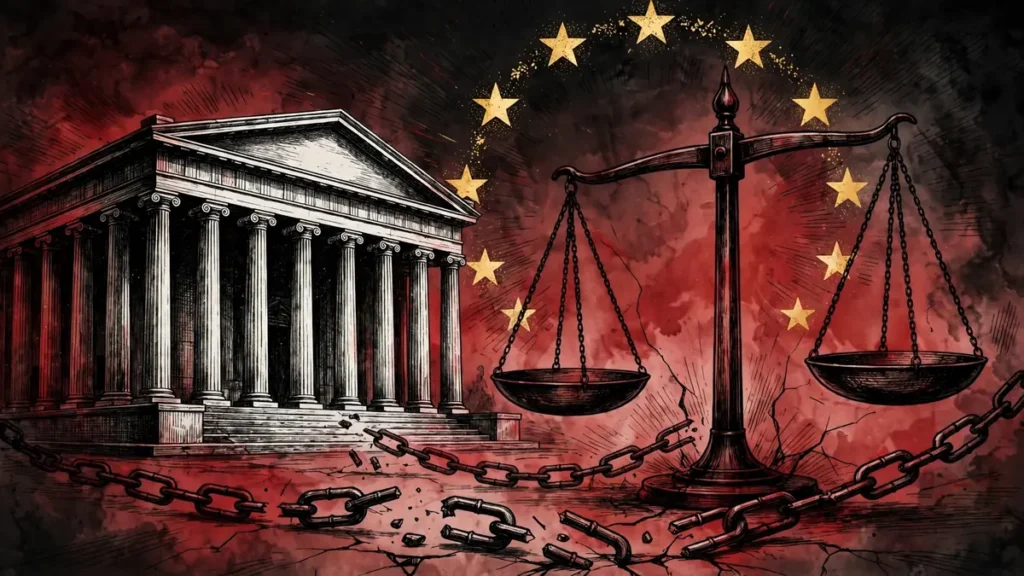
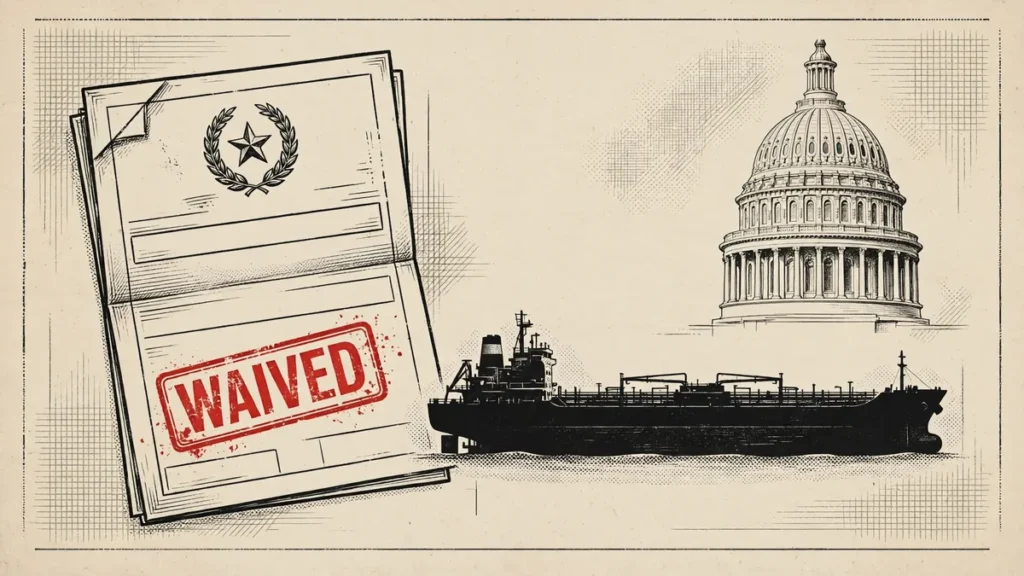
The question of US RDIF sanctions relief is now an active review, according to reporting published on October 27, 2026. The Trump administration is weighing whether to lift sanctions on Russia’s state-backed investment fund, the Russian Direct Investment Fund (RDIF), as Moscow seeks broader economic benefits from its diplomacy over Ukraine and the diesel shipments heading to the United States. No decision has been announced, and no timetable has been reported. This entry explains the fund, the measures in place, the dated actions of October 27 and 28, 2026, and what US-only relief would change. It is an educational summary, not legal or compliance advice.
Key Takeaways
- The administration is reviewing, not granting, a request to remove RDIF sanctions, per The New York Times reporting relayed on October 27, 2026.
- The RDIF has been blocked under US sanctions since February 28, 2022, when Treasury called it widely considered a “slush fund” for President Vladimir Putin.
- Moscow seeks relief as part of wider talks about the fund’s role in Russian diesel deliveries to the United States.
- Three tankers carrying 924,000 barrels of diesel are en route to the US east coast, per Deputy Prime Minister Alexander Novak and tracker Kpler.
- US relief alone would leave EU and UK measures in place, so it would be partial, not a full return to normal business.
What is the RDIF, and why was it sanctioned?
The Russian Direct Investment Fund was created in 2011 as Russia’s sovereign wealth fund, to attract international investors into Russian companies and projects. Its chief executive since its inception is Kirill Dmitriev, who now also acts as a Kremlin economic envoy in talks with the Trump administration. That dual role is central: the person pressing for relief is also described in the latest reporting as a helpful envoy in discussions aimed at ending the war in Ukraine.
On February 28, 2022, four days after Russia’s full-scale invasion of Ukraine, the US Treasury Department’s Office of Foreign Assets Control (OFAC) designated the RDIF, its management company, a subsidiary, and Dmitriev under Executive Order 14024, because the fund was owned or controlled by, or acted for, the Government of Russia. Blocked persons’ US property is frozen, and US persons are generally barred from dealing with them. A source familiar with the current review says the fund must show the reasons for its designation no longer apply.
What measures are in place now?
The US blocking designation is the oldest and most direct measure, but not the only one. In March 2022 the European Union prohibited investment in, participation in, or contribution to projects co-financed by the RDIF, under Council Regulation (EU) 2022/345. Its 18th sanctions package, adopted in July 2025, then imposed a comprehensive transaction ban on the RDIF and its affiliates, according to law-firm summaries. The United Kingdom and other allies also acted in February and March 2022.
A US delisting would, in principle, restore the fund’s access to the US financial system. It would not by itself authorise EU or UK persons to transact with it under their own rules, and the 50 percent ownership rule for blocked persons’ entities would remain relevant until each authority acted.

What happened on October 27 and 28, 2026?
The New York Times reported on October 27, 2026 that Russian officials pushed for lifting RDIF sanctions as part of broader talks about the fund’s role in shipping Russian diesel to the United States. A US official, speaking anonymously, confirmed the administration was assessing the fund’s removal application through established procedures, to “improve U.S.-Russia relations and help end the war,” and praised Dmitriev as a “helpful envoy.” Outlets relaying the Times account — including WIO News, United24 Media and LIGA.net — reported the same core facts. None reported a decision.
Also on October 27, Novak told reporters three tankers carrying Russian fuel were on their way to the United States, with a fourth expected the next day. Kpler identified them as the Talisman, sanctioned by the US and EU; the Leruo, sanctioned by the UK and EU; and the Agioi Fanendes. Together they carry 924,000 barrels of diesel, about one-third of the US transportation sector’s daily diesel consumption, per Kpler. They left Primorsk between October 16 and 22, 2026 and are expected on the US east coast between November 7 and 11, 2026, with the Agioi Fanendes heading to New York and the other two listed only as bound for the Atlantic Coast.
The shipments follow an agreement earlier in October 2026 between Presidents Donald Trump and Vladimir Putin to ease sanctions in exchange for diesel releases, widely described as an attempt to lower US fuel prices ahead of the November 3, 2026 midterms.
How does this differ from the Graham Act waiver?
This review is easily confused with the Graham Act waiver reported on October 25, 2026, in which the administration shelved new Russia-Iran sanctions. That waiver set aside sanctions not yet imposed. The RDIF review would remove a designation in place for more than four years — a larger step, unwinding part of the original 2022 pressure campaign. It also differs from WarBrief’s October 27, 2026 diesel-price analysis, which asked whether a G7 release and the Russian deal would cut prices; this entry asks what Moscow seeks in return for the fuel.
What would lifting US sanctions actually change?
If Treasury granted the request, the immediate change would be legal. The RDIF could transact through the US financial system, seek US co-investors, and act as a legitimate intermediary for commercial deals — the role Dmitriev is reported to have offered it in the diesel talks. For Moscow, that would be a reputational as well as financial gain, and a signal that post-invasion designations are negotiable for diplomatic or economic cooperation.
The limits matter just as much. The review could end in refusal, EU and UK measures would remain, and two of the three tankers are themselves sanctioned, so payment, insurance and port access will be scrutinised regardless of the RDIF outcome. Ukrainian President Volodymyr Zelenskyy has called the diesel deal a “weak decision,” and critics in Washington argue Moscow is gaining economic benefits without a peace concession.
What this means for US, UK and EU readers
For US readers, the direct effect is at the pump: the shipments are framed as a way to ease prices ahead of November 3, and WarBrief’s Sanctions Tracker will follow whether they arrive between November 7 and 11. For UK and EU readers, the test is allied unity: if Washington delists while Brussels and London do not, European firms face a more complex compliance map. For any business with Russian-linked exposure, check the current OFAC, EU and UK lists before acting — a reported review is not a licence.
What to watch next in the RDIF sanctions review
First, whether a fourth tanker departs as Novak indicated, and whether the three under way arrive between November 7 and 11, 2026 without a sanctions or port-access dispute. Second, whether Treasury issues any public statement — a delisting, a refusal, or continued silence — with a licence or notice making the legal effect clear. Third, whether the EU or UK signal any parallel review or reaffirm their measures, confirming that US relief alone is partial. WarBrief will update this entry if a decision is announced, rather than publish a separate entry on the same question.
Frequently asked questions
Has the US lifted sanctions on the RDIF?
No. As of October 28, 2026, reporting describes a review under way, not a completed delisting, with no timetable or decision reported.
Why was the RDIF sanctioned in 2022?
OFAC designated it on February 28, 2022 under Executive Order 14024, four days after Russia’s full-scale invasion of Ukraine, because it was owned or controlled by, or acted for, the Government of Russia. Treasury called it widely considered a slush fund for President Vladimir Putin.
Would US relief end all sanctions on the RDIF?
No. The EU and UK have their own measures, including the EU’s 2022 investment ban and its later transaction ban, which would remain unless those authorities acted separately.
Sources
- US Treasury: Treasury Prohibits Transactions with Central Bank of Russia and Imposes Sanctions on Key Sources of Russia’s Wealth
- WIO News: US weighs lifting sanctions on Russia’s state-backed investment fund after diesel deal
- United24 Media: US Considers Sanctions Relief for Kremlin Investment Fund Amid Diesel Deal
- LIGA.net: The US may lift sanctions on the Russian Direct Investment Fund
- Free Malaysia Today / AFP: Russia says three tankers with diesel en route to US
- CMS: EU and UK Sanctions against Russia — RDIF investment ban