WarBrief Live | October 25, 2026 | Sanctions
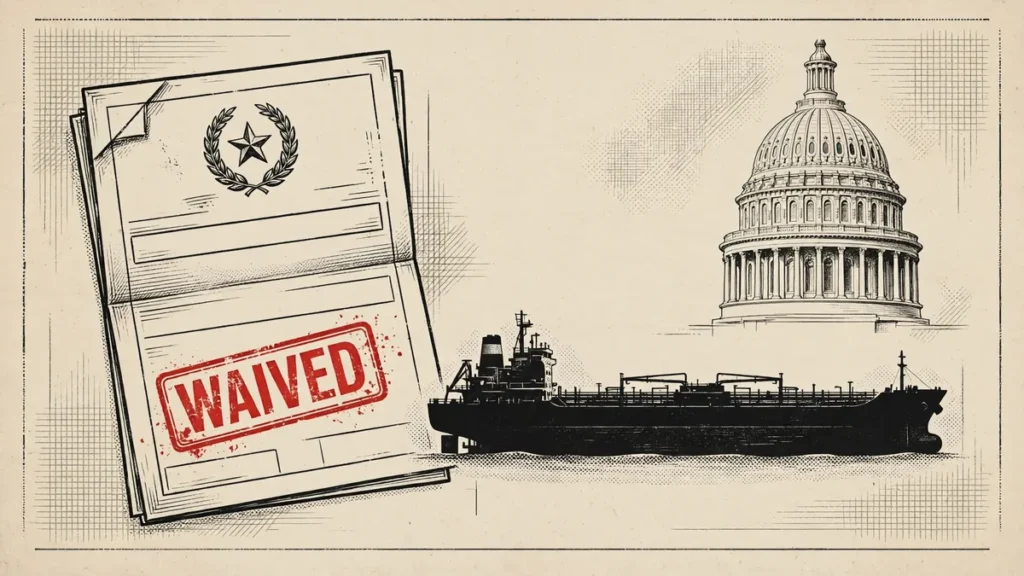
On October 16, 2026, President Donald Trump signed an executive order pausing most new Russia sanctions and tariffs in the Lindsey O. Graham Sanctioning Russia and Iran Act of 2026. It did not repeal the law or lift older sanctions in force; it shelved the new measures two days before their tariff deadline, using waiver authority in the Act.
Key Takeaways
- Signed September 18, 2026, after passing the Senate 86-11; named for the late Senator Lindsey Graham.
- The October 16 order waived the new 500% duty on Russian goods and 100% duties on top energy buyers, before they took effect.
- No fixed expiry date in the order; it lasts until the president or designated officials determine further action is appropriate.
- Earlier executive-order sanctions remain in force; the European Commission called the waiver regrettable on October 23, 2026.
Target overview: what the Graham Act is
The Act aims to increase economic pressure on Russia over its war in Ukraine, with an Iran component extending the Iran Sanctions Act through 2031. Named for Republican Senator Lindsey Graham, who championed it before his death in summer 2026, it passed with large bipartisan majorities. Its headline provisions were tariffs: 500% on Russian goods, 100% on goods from the five largest importers of Russian crude oil and gas making new purchases on or after October 18, 2026, and 100% on goods from the top five facilitators of evasion. Section 115 lets the president waive its measures after certifying to Congress that the waiver is in the national interest.
Measures in place: what was shelved and what was not
Shelved: the new duties and most new sanctions provisions, waived before the October 18 deadline; no duties were collected under them and no new designations made under the waived sections. Not shelved: sanctions under earlier executive orders, including asset freezes and financial prohibitions administered by the Treasury Department’s Office of Foreign Assets Control (OFAC), which the order preserved. Separately, on October 15, 2026, OFAC extended two Lukoil authorizations to April 24, 2027: General License 128D (retail stations outside Russia) and General License 130B (Bulgaria entities). They are limited authorizations, not a lifting of sanctions on Lukoil.
Recent actions: a dated timeline
- September 18, 2026: Trump signs the Graham Act into law.
- October 9, 2026: Trump announces a deal with Russia to import diesel, presented as easing high fuel prices.
- October 15, 2026: OFAC extends Lukoil licenses 128D and 130B to April 24, 2027.
- October 16, 2026: Trump signs the implementing order, simultaneously waiving most new Graham Act sanctions and duties, citing the national interest.
- October 17, 2026: Bipartisan criticism follows: Senator Thom Tillis calls it “beyond irresponsible,” Senator John Cornyn says Graham “would be appalled,” and Senator Elizabeth Warren accuses the president of disregarding Congress.
- October 18, 2026: Trump defends it as a “very good decision” as the deadline passes without the waived duties taking effect.
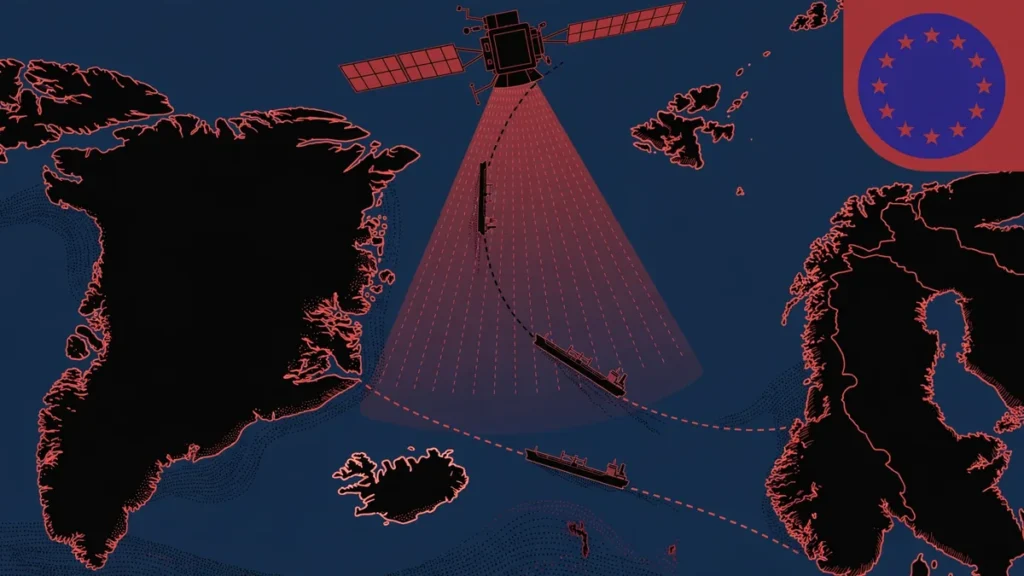
- October 23, 2026: The European Commission tells the European Parliament the waiver “is regrettable” and “impairs international pressure on Russia,” adding that the EU will continue its own sanctions and is working on a 22nd package.
Impact: what the waiver changes, and what it does not
For US, UK, and EU readers, the effect is uncertainty, not relief: the tariff threat stays on the statute book and can be revived if the waiver is withdrawn. For major energy buyers, notably China and India, it buys time but no lasting certainty, as India’s GTRI think tank warned. For Ukraine, it removes US tariff leverage. Secretary of State Marco Rubio was reported as describing a 60-day pause to assess effects, but that is not an expiry date in the order. Educational only, not legal advice; firms with exposure should seek qualified sanctions counsel.
Related: our Sanctions hub, the EU’s 22nd package, the Meeks bill, and our Graham Act deadline explainer.
Frequently asked questions
Did Trump lift all US sanctions on Russia?
No. It waived most new Graham Act measures before they took effect. Earlier sanctions remain in force, and the Act was neither repealed nor terminated.
What tariffs did the Graham Act provide for?
500% on Russian goods, plus 100% for the five largest importers of Russian crude oil and gas buying anew on or after October 18, 2026, and for the top five facilitators of evasion. They were waived before collection.
Can the waiver be reversed?
Yes. It lasts until the president or the secretary of state, with Treasury and trade officials, determine further action is appropriate. The order sets no expiry date.
Sources
- Associated Press (via Mainichi): Trump waiver outrages Congress
- Al Jazeera: Bipartisan backlash over waiver
- Global Sanctions: EU Commission statements, October 2026
- Steptoe: Sanctions Update, October 19, 2026
- Business Standard: Waiver offers India temporary relief