WarBrief Live | November 12, 2026 | Sanctions
European Union ambassadors agreed on November 11, 2026, to add 145 Russia-linked individuals and entities to the bloc’s sanctions lists — including 50 Russian banks — in the latest expansion of economic pressure on Moscow. The listings are not yet law: EU foreign ministers must formally adopt them at a meeting in Brussels on November 16, after which they take effect on publication in the Official Journal of the European Union.
Key Takeaways
- EU ambassadors, meeting as Coreper, agreed on November 11 to add 145 individuals and entities to sanctions lists; 50 of them are Russian banks.
- The breakdown: 113 listings under the main Ukraine territorial-integrity regime, 31 under the hybrid-activities regime, and one under the cyber-sanctions regime.
- Nothing is in force yet — formal adoption by foreign ministers on November 16 and publication in the Official Journal are still required.
- Separately, France said on November 9 it will seek EU sanctions against an Iranian cyber unit it blames for October’s supermarket fridge attacks; that is a different track from this Russia package.
What the ambassadors agreed on November 11
The agreement was reached at a meeting of the Committee of Permanent Representatives (Coreper), the body where EU member-state ambassadors prepare Council decisions. Reuters first reported the outcome on November 11, citing EU diplomats, and European Pravda’s Brussels correspondent confirmed the details from an EU diplomat familiar with the meeting. Interfax-Ukraine and Censor.net reported the same figures the same day.
| Sanctions regime | New listings | What it covers |
|---|---|---|
| Ukraine territorial integrity | 113 (12 individuals, 101 entities) | 50 Russian banks, shadow-fleet enablers, energy companies and business leaders |
| Hybrid activities | 31 (30 individuals, 1 entity) | Destabilising activities abroad, including alleged disinformation campaigns |
| Cyber sanctions | 1 entity | Cyberattacks against the EU or its member states |
| Total | 145 |
Some early summaries of the deal rounded the figure to 144. The itemised breakdown reported by Reuters and European Pravda — 113 plus 31 plus 1 — sums to 145, and WarBrief uses that figure. The names of the individuals and entities have not been published; outlets reported categories only, and the final lists may differ slightly when ministers adopt them.
Target overview: banks, the shadow fleet and hybrid networks
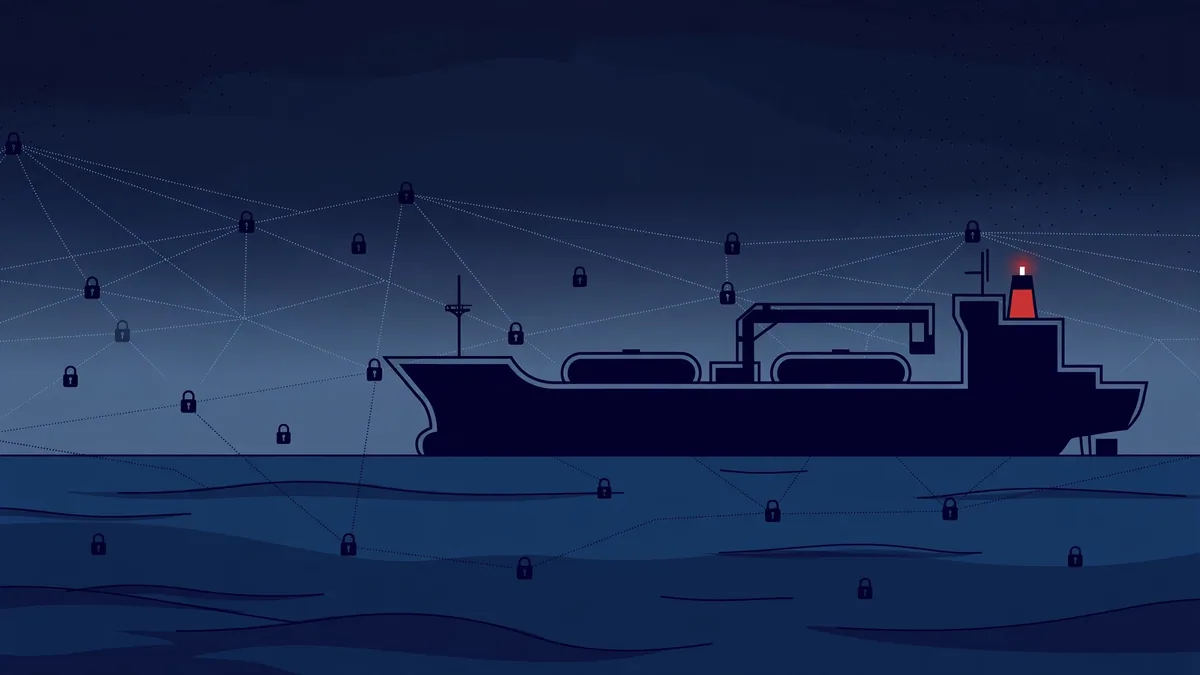
The centrepiece is the financial sector. Fifty Russian banks would be added to the EU’s main sanctions list, the largest single banking tranche in a recent round, alongside companies that support the operations of Russia’s so-called shadow fleet — the tankers used to move Russian oil outside Western price-cap and compliance channels — plus energy companies and Russian business leaders. The main regime already holds around 4,500 designations, according to Reuters, so the practical effect of this round turns on which banks and enablers are named when the lists are published.
The hybrid-activities listings cover people and one company accused of involvement in Russia’s destabilising activities abroad, including alleged foreign information manipulation. The single cyber-regime listing is a separate item: it is not connected to France’s push for sanctions over the October supermarket fridge attacks, which concerns an Iranian unit and is discussed below.
Measures in place: how EU Russia sanctions work
Listing under an EU sanctions regime freezes the target’s assets held in the EU and bars EU persons and companies from making funds or economic resources available to them; listed individuals are also subject to EU travel bans. Decisions require the unanimous support of all 27 member states, which has repeatedly forced delays and last-minute compromises in earlier rounds.
The package builds on measures already in force. The EU adopted its 21st Russia sanctions package on July 23, 2026, which banned EU operators from dealing with 14 crypto platforms linked to Russian value flows, and on November 5–6 it launched a Crypto Sanctions Task Force to close digital-asset evasion routes. The EU has also been preparing a further package since October — see our earlier entry on the 22nd Russia sanctions package — while Washington has pursued its own enforcement, including the November 7 action against crypto exchange MEXC and eight Canadian money services. For the full picture, see the WarBrief sanctions tracker.
Recent actions: a busy November for EU sanctions
- November 5–6: The European Commission announces the EU Crypto Sanctions Task Force after the tenth meeting of the High-Level Expert Group on Union Restrictive Measures in Brussels.
- November 9: France publicly blames Iran’s Islamic Revolutionary Guard Corps for cyberattacks that disrupted refrigeration at supermarkets across France on October 11–12. Foreign Minister Jean-Noël Barrot says Paris will seek EU sanctions against those responsible; the Paris prosecutor opens an investigation into the IRGC-linked unit Shahid Kaveh. France summons Iran’s ambassador on November 10.
- November 11: EU ambassadors agree the 145 new Russia-linked listings in Coreper; final approval is scheduled for the Foreign Affairs Council on November 16.
- November 16: EU foreign ministers meet in Brussels to adopt the lists formally. Publication in the Official Journal would then make them law.
Impact: what adoption on November 16 would change
If adopted as agreed, the listings would cut 50 more Russian banks off from the EU financial system and freeze the EU-held assets of the named shadow-fleet enablers, energy firms and business leaders. But until the names are published, the concrete impact cannot be measured: earlier rounds show that the value of a package lies as much in the specific entities named as in the headline count. For readers in the US, UK and EU, the direct effect is limited — this is an EU measure aimed at Russian finance and logistics — though tighter shadow-fleet enforcement can feed through to oil shipping costs and, over time, to fuel prices.
What to watch next
Three things matter in the coming days: whether the Foreign Affairs Council adopts the lists unchanged on November 16; the names, when they appear in the Official Journal; and whether France’s separate proposal for sanctions on the IRGC cyber unit reaches the same Council agenda. Unanimity is required, so any single member state can still force changes before adoption.
Frequently asked questions
Are the new EU sanctions on Russia already in force?
No. EU ambassadors agreed the lists politically on November 11, but they become law only after formal adoption by foreign ministers on November 16 and publication in the Official Journal of the European Union.
Why do some reports say 144 targets and others 145?
Some early summaries rounded the total to 144. The itemised breakdown reported by Reuters and European Pravda on November 11 — 113 listings under the territorial-integrity regime, 31 under the hybrid regime and one under the cyber regime — sums to 145, which is the figure WarBrief uses.
What happens to a bank once it is listed?
Its assets in the EU are frozen, EU persons and companies are barred from making funds available to it, and the listing signals to banks worldwide that dealing with it carries sanctions risk. Listed individuals also face EU travel bans.
Is this the EU’s 22nd Russia sanctions package?
The November 11 reporting does not attach a package number to this round of designations; it describes new listings under existing regimes. The EU has been preparing a further package since October, which WarBrief covered in its entry on the 22nd package.
Sources
- Global Banking & Finance (Reuters): EU envoys agree new Russia sanctions listings on banks, shadow fleet
- Ukrainska Pravda: Ambassadors of EU states agree on new anti-Russian sanctions, including 50 banks
- Interfax-Ukraine: EU ambassadors agree sanctions on 50 Russian banks as part of new restrictions against Russia
- Censor.net: EU ambassadors back Russia sanctions targeting more than 140
- Channel News Asia (AFP): France says Iran behind ‘unprecedented’ cyberattacks on fridges
- Council of the European Union: Forward look — Foreign Affairs Council, November 16, 2026