WarBrief Live | October 29, 2026 | Sanctions
On October 28, 2026, the United States sanctioned Rwanda’s Ministry of Defence and Zigama Credit and Savings Society, accusing both of supporting the M23 armed group in eastern Democratic Republic of the Congo.
Announced by the Treasury’s Office of Foreign Assets Control (OFAC), it extends US measures from Rwanda’s army to the ministry overseeing it and to the financier Washington says moved money and minerals for the war effort, testing whether the December 4, 2025 Washington Accords carry consequences. Educational content only, not legal advice.
Key Takeaways
- OFAC designated Rwanda’s Ministry of Defence and Zigama Credit and Savings Society on October 28, 2026, over support for M23.
- The ministry allegedly directed Rwanda Defence Force (RDF) troops operating alongside M23; Zigama allegedly facilitated weapons payments and gold flows.
- Designation blocks US-linked property and bars US persons from dealing with the entities, but does not directly stop fighting.
- The move follows the March 2, 2026 designation of the RDF itself.
By the numbers
| Measure | Figure | Source |
|---|---|---|
| Entities designated, October 28, 2026 | 2 | OFAC |
| RDF troops in North and South Kivu, as alleged | Thousands | OFAC |
| Zigama transactions for M23 and allies, as alleged | Tens of millions of dollars | OFAC |
OFAC figures are allegations in the designation announcement, not court findings.
Who was designated, and what is each accused of?
The first target is Rwanda’s Ministry of Defence, which oversees the RDF. OFAC says the ministry directed the RDF to deploy thousands of troops across North and South Kivu, where they operate alongside M23, supplying equipment, logistics and training. It also cites surface-to-air missiles and jamming equipment introduced by Rwandan forces, creating civil-aviation risks. The ministry is designated under Executive Order 13413, as amended, for materially supporting the RDF, sanctioned separately on March 2, 2026.
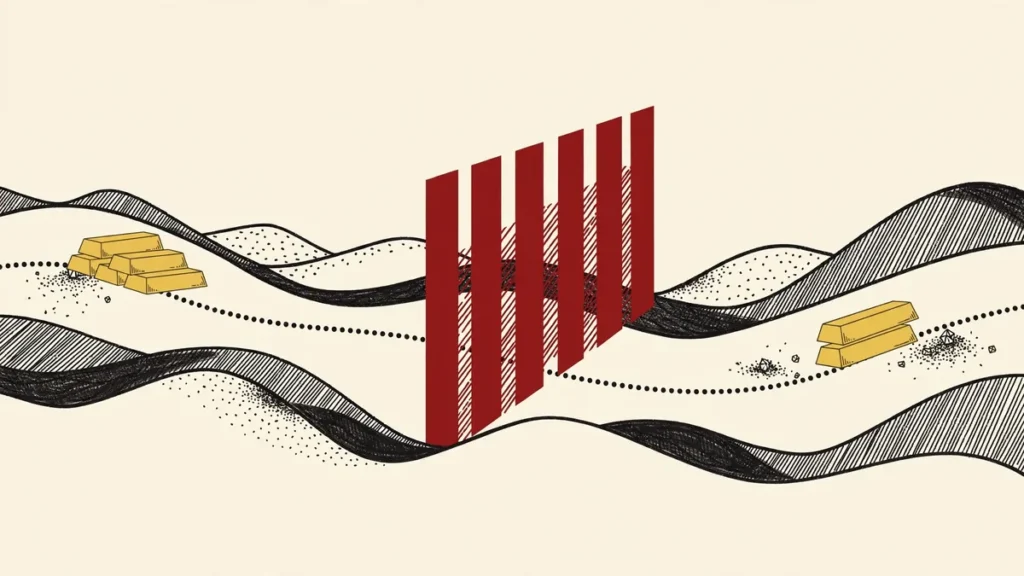
The second target is Zigama Credit and Savings Society, a financial institution operating on behalf of Rwanda’s security services. OFAC says Zigama facilitated payments to entities in China and other countries for weapons, ammunition and equipment for the RDF, and payments for RDF training travel and accommodation. It also says Zigama handled tens of millions of dollars in transactions for M23 and the Congo River Alliance, and that a Zigama branch moved gold from M23-controlled territory to Kigali.
M23 is a US- and UN-designated armed group that re-emerged in 2021 and captured Goma and Bukavu in early 2025. OFAC says that with Rwandan support it has seized population centres and mining areas, where civilians face abuses, forced labour and displacement. See our DR Congo conflict profile.
Why is Washington acting now?
Washington ties the move to the Washington Accords, the December 2025 framework meant to end the eastern Congo conflict. Treasury Secretary Scott Bessent said:
“Today, the United States makes good on President Trump’s promise to hold Rwanda accountable for its commitments under the Washington Accords for Peace and Prosperity. Rwanda must halt its support for M23 and withdraw its troops from eastern DRC.”
On October 12, 2026, the Front for the Refoundation of the Nation announced itself as successor to the Congo River Alliance, Treasury says, so naming both groups signals that rebranding does not reset the sanctions picture.
What do the sanctions actually do, and what do they not do?
Designation blocks the entities’ US-linked property, which must be reported to OFAC. Unless licensed, US persons are barred from dealings with them, and entities they own 50 percent or more of are also blocked. Violations can draw civil or criminal penalties.
What sanctions do not do matters too: they do not order troops home or end fighting directly. Their leverage is financial and diplomatic, raising the cost of alleged support and sharpening scrutiny of banks and mineral supply chains. Take professional advice on compliance; this article does not provide it.
How have Kinshasa and Kigali responded?
The Democratic Republic of the Congo welcomed the measures; its US embassy said accord violations must carry consequences and called for Rwanda to end M23 support and withdraw troops. Rwanda denies backing M23. Spokespeople for both governments did not immediately respond to Reuters, which reported fighting continued despite US-led mediation.
What to watch next in eastern Congo
Three tests will show whether it changes anything: allied follow-up measures, bank and buyer adjustments on Zigama-linked and rebel-area mineral flows, and verifiable steps under the accords. Our Sanctions Tracker follows new designations, and the conflict zones hub tracks the fighting.
Frequently asked questions
What does an OFAC designation mean in practice?
It blocks their US-linked property, bars most US-person dealings unless licensed, and covers entities they own 50 percent or more of. It is administrative, not a conviction.
Will these sanctions end the fighting?
Not alone. They are a pressure tool; fighting has continued despite mediation, and their effect depends on enforcement and events on the ground.
Sources
- US Treasury: Sanctions on Rwanda’s Defence Ministry and Zigama
- Reuters: US imposes sanctions on Rwanda’s ministry of defense
- Monitor: US sanctions Rwandan Defence ministry, military bank over M23 support
- Ingeri: US sanctions Rwanda’s Defence Ministry and Zigama CSS