WarBrief Live | October 29, 2026 | Intelligence Report
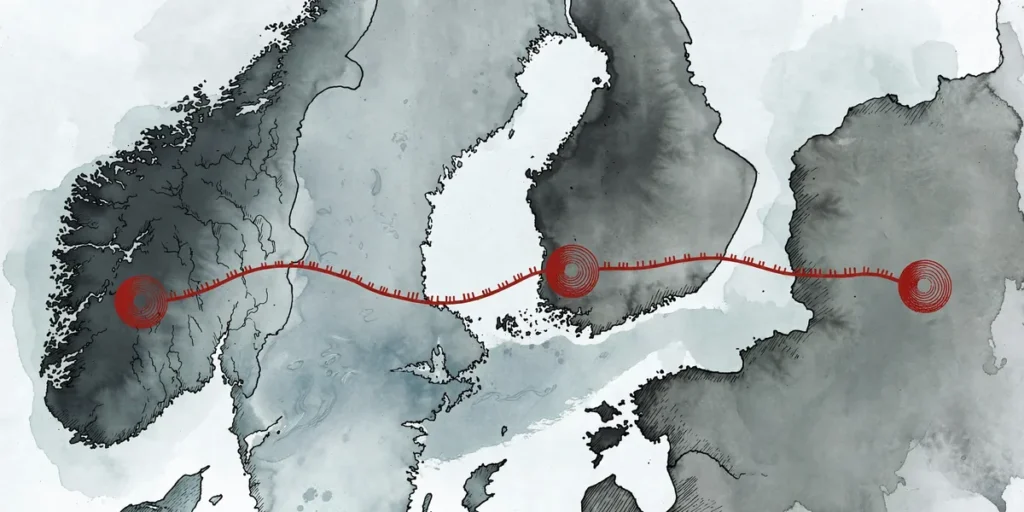
Two diplomatic tracks are running over the Iran war: American outreach to Tehran’s security chief, and a Qatari mediation draft built around a seven-day timetable. Neither has produced an agreement, and Tehran has called the latest ideas unacceptable — yet the contacts, and the November 3 deadline over them, make this the eight-month war’s most consequential diplomatic week.
Key Takeaways
- The Wall Street Journal reports Vice President JD Vance wrote to Mohsen Rezaei, Iran’s security council secretary, at Trump’s direction, to test a framework, not a detailed proposal.
- Qatari mediators presented a seven-day draft, an official briefed on the talks told Reuters, but a senior Iranian official called the ideas “unacceptable” and not an offer.
- Iran’s own 7-Day Plan would reopen Hormuz in seven days if its conditions — an end to the blockade, lifted oil sanctions and unfrozen assets — are met.
- The question before November 3 is sequencing: Washington wants the nuclear issue first, Tehran sanctions relief first.
Executive summary
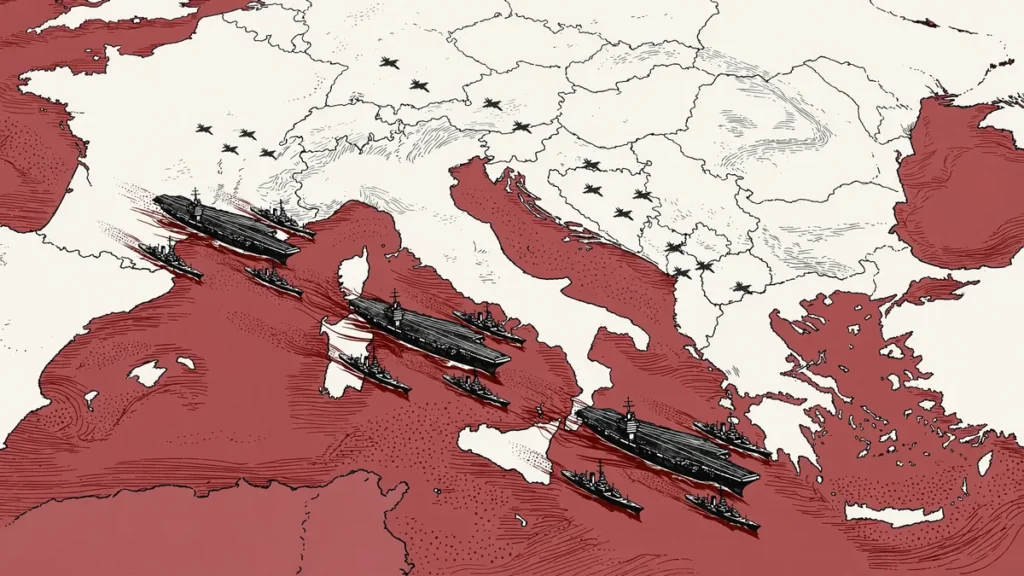
The diplomacy matters because it runs against a military clock. The Journal has reported that Washington told several Gulf Arab states to prepare for a possible short, intense campaign against Iran after the November 3 midterms, while also reporting that Trump had not made a final decision. WarBrief’s earlier reporting on the Gulf warning set out that threat. Against that background, the Vance letter and the Qatar draft are attempts to find a framework that would make a post-election strike unnecessary — not evidence that a deal is close.
| Claim | Status |
|---|---|
| Vance wrote to Rezaei seeking a framework | Reported by the Wall Street Journal, citing officials |
| Qatar presented a seven-day draft | Reported by an official briefed on the talks (Reuters) |
| Tehran called the ideas unacceptable | Stated by a senior Iranian official (Reuters) |
| Iran’s 7-Day Plan would reopen Hormuz in seven days | Stated by Foreign Minister Abbas Araghchi (AFP) |
What did the Vance letter actually ask for?
According to the Journal, Vance wrote to Rezaei, who leads Iran’s top security body and was previously its longest-serving Guard commander. The letter was sent at Trump’s direction, one person familiar with the matter said, to test whether Tehran and Washington could find common ground to persuade Trump not to order a short, intense attack. It included no specifics for a peace proposal, only a possible framework. Trump publicly framed the contact around medical supplies, while the Journal notes he said last week that the administration was not talking with the Iranians. Rezaei’s reported position is that Iran would not negotiate until core demands were met.
What is in Qatar’s draft, and why did Tehran call it unacceptable?
Reuters, citing a non-Iranian official briefed on the talks, reports that Qatari mediators presented a new draft deal to end the war with the United States and Israel, that Tehran was considering it, and that a response was expected by the end of the week. Qatar, with Pakistan, has led mediation in the eight-month conflict, which has disrupted shipping and oil supplies. The draft sets a seven-day timeline with daily steps each side must take, and several countries as guarantors. Shortly afterwards, a senior Iranian official told Reuters that Qatar had presented only “unacceptable ideas and not an offer,” with no nuclear flexibility. Axios has separately reported, citing United States, Israeli and regional sources, that mediators are trying to convince Iran to allow inspectors to visit bombed nuclear sites for some sanctions relief — reported, not confirmed.
How does Iran’s own 7-Day Plan differ?
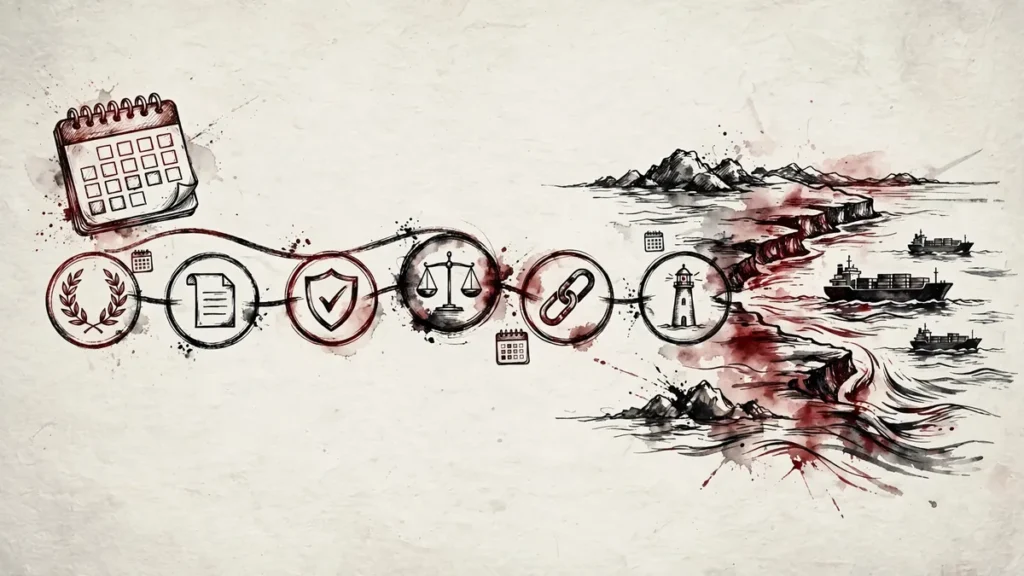
Iran’s plan predates the Qatari draft and runs in the opposite direction on sequencing. Tehran proposed it in September via Qatar. Under it, Hormuz would reopen in seven days if “necessary conditions,” including a Middle East ceasefire, were met, plus unfrozen assets, lifted oil sanctions, and an end to the blockade. In Baghdad on October 18, he added: if Washington met the conditions, the strait would reopen on day six, talks on day seven. Washington insists Iran’s nuclear activities must be addressed from the start, and Vance said earlier in October that Iran must make a “tangible” reduction in uranium enrichment. Tehran says the first phase should focus on opening Hormuz, through which about a fifth of pre-war world oil and gas trade passed. On October 28, Araghchi wrote on X that Iran remained in contact with intermediaries to implement the plan “in even less than a week.”
What does this mean for US, UK and EU readers?
For US, UK and EU readers, the stakes are practical: a renewed short, intense campaign after November 3 would push energy and shipping costs higher — Brent crude has already moved above $115 as the Iran war nears November — while a framework reopening Hormuz would ease them. Iran’s foreign ministry has warned, per AFP, of the “devastating impact” on markets of a new Israeli-initiated attack: a warning, not a verified price forecast. Timeline: September — Iran conveys its plan via Qatar. October 18 — Araghchi restates it in Baghdad. Sunday — Qatar presents its draft. October 26 — Saudi, Turkish and Pakistani officials meet Iranian leaders. October 28 — Reuters reports the draft and Tehran’s response. October 29 — the Vance letter is reported.
Assessment and outlook
The most likely near-term outcome is a holding pattern through this week: Tehran is expected to respond to the Qatari draft by then; Washington has not accepted Iran’s sequencing. That response is the next data point. Watch three things: whether any party confirms the Axios inspectors-for-relief element; whether the Vance-Rezaei channel produces a second exchange; and whether Gulf mediators publicly press for more time past November 3. If none appears, the post-election strike warning — not finally decided, per the Journal — becomes the default scenario to prepare for, not a certainty.
Frequently asked questions
Did JD Vance write to Iran’s Mohsen Rezaei?
The Wall Street Journal reports Vance wrote to Rezaei, Iran’s security council secretary, at Trump’s direction, to test a framework. Trump said he approved the contact, citing medical supplies.
What is Qatar’s seven-day draft?
An official briefed on the talks told Reuters that Qatari mediators presented a seven-day timeline of daily steps for each side, with several guarantor countries. A senior Iranian official called the ideas unacceptable.
What is Iran’s 7-Day Plan?
Tehran’s September proposal, via Qatar: Hormuz would reopen in seven days — day six, talks day seven, in Araghchi’s October 18 version — if conditions including a ceasefire, unfrozen assets, lifted oil sanctions and an end to the blockade are met.
Why have the talks stalled?
Sequencing. Washington wants the nuclear issue addressed from the start, including a tangible enrichment cut. Tehran wants the blockade lifted and sanctions eased first, with no nuclear flexibility in the current draft.
Sources
- Wall Street Journal: Vance Reaches Out to Iranian Hard-Liner in Bid to Restart Peace Talks
- BusinessWorld (Reuters): Iran Sees Only Unacceptable Ideas in Latest Mediation to End War
- Prothom Alo (AFP): Iran Says Discussing Plan With Mediators to End War, Reopen Hormuz
- Times of Israel: Vance Reportedly Contacted Top Iran Security Official in Bid to Restart Peace Talks
- The Statesman: JD Vance Contacts Iran’s Mohsen Rezaei for Talks
Read next: WarBrief Intelligence Reports.