
WarBrief.live | July 2026
Intelligence profile of Republic of Korea armed forces, defense capabilities, alliance dynamics, and emerging position as major global arms exporter.
Country Overview
South Korea Military Power: Peninsula Security and Global Arms Exporter remains a significant focus area for international security professionals. South Korea intersects with alliance commitments, regional power balances, and domestic political constraints that shape decision-making in 2026.
This profile summarizes the current state of south korea for quick orientation — with deeper sections below covering structure, risks, and forward-looking indicators.
- Reserve Forces: 3,100,000
- Active Personnel: 500,000
- Defense Budget: $46 billion (2025)
Military Organization and Command
Jointness between services, special operations integration, and reserve mobilization capacity are practical measures of how quickly forces can scale during contingencies.
Command structures for south korea reflect civil-military relations, conscription models, and modernization priorities. Understanding who controls key decisions reduces surprise during crises.
- K9 howitzer exported to multiple nations
- Reserve Forces: 3,100,000
- F-35A Lightning II (60 aircraft)
Defense Budget and Force Structure
Procurement cycles and offset agreements with foreign suppliers shape long-term capability trajectories and create dependencies analysts should map explicitly.
Defense spending trends linked to south korea signal political commitment more reliably than ceremonial announcements. Budget lines for maintenance, ammunition, and personnel often reveal readiness constraints before public doctrine shifts.
- K2 main battle tank exported to Poland
- Indigenous KF-21 Boramae fighter development
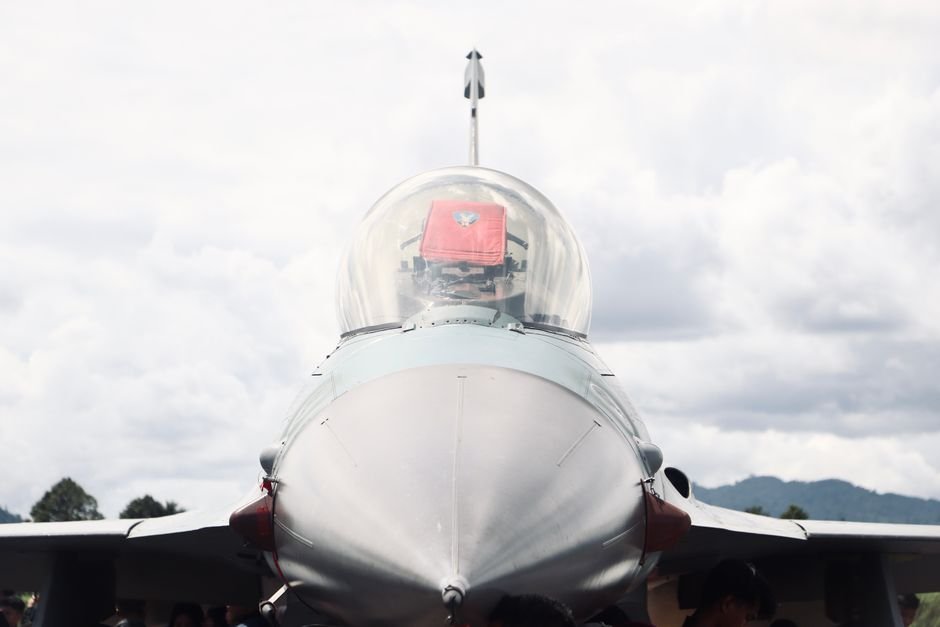
- F-15K Slam Eagle and KF-16 fleet
Key Capabilities and Equipment
Training quality, logistics depth, and sustainment capacity often determine whether advanced equipment translates into operational advantage during prolonged campaigns.
Regional Security Role
South Korea plays a defined role in its neighborhood — contributing to maritime security, peacekeeping, counter-terrorism, or deterrence missions depending on geography and alliance obligations.

Alliances and Security Partnerships
Alliance membership and security partnerships shape south korea through shared exercises, intelligence fusion, and interoperable equipment standards. Burden-sharing debates increasingly affect deployment decisions.
Threat Environment and Challenges
Climate stress, demographic change, and economic inequality indirectly affect force readiness by diverting resources and shaping political priorities.
Strategic Outlook
Low-probability, high-impact events — leadership transitions, surprise external intervention, or catastrophic infrastructure strikes — warrant dedicated indicator lists even if base-case forecasts remain moderate.
Frequently Asked Questions
What are this country’s core military strengths?
Documented strengths include professional enlisted corps, niche high-end capabilities, and geographic advantages — balanced against known constraints below.
How does it contribute to regional security?
What are primary capability gaps?
Capability gaps often appear in strategic lift, sustained high-intensity logistics, and joint interoperability under contested communications.
Which alliances shape its defense posture?
Bilateral defense agreements and base access arrangements can matter as much as formal treaty commitments during fast-moving regional incidents.
Bottom Line
For decision-makers tracking south korea, the decisive variable is whether observable indicators translate into sustained policy shifts or remain rhetorical positioning. WarBrief.live recommends cross-checking this country assessment against primary sources and daily operational reporting.

Classification: UNCLASSIFIED // FOR OFFICIAL USE ONLY
WarBrief analysts apply a three-source rule before elevating claims about south korea. Video authenticity checks, cross-language monitoring, and commercial satellite revisit analysis reduce false positives under compressed news cycles.
Readers should expect iterative updates as new data arrives. WarBrief.live labels confidence levels explicitly and separates confirmed facts from analytical inference.
Discussion 0
Share analysis, corrections, or context. Be civil — comments are moderated.