WarBrief.live | July 2026
Profile of the M23 rebellion resurgence in eastern Democratic Republic of Congo, Rwandan involvement allegations, and regional security implications.
Situation Overview
DR Congo M23 Resurgence: Eastern Congo Instability and Regional Tensions remains a significant focus area for international security professionals. DR Congo M23 Resurgence intersects with alliance commitments, regional power balances, and domestic political constraints that shape decision-making in 2026.
This profile summarizes the current state of dr congo m23 resurgence for quick orientation — with deeper sections below covering structure, risks, and forward-looking indicators.
- Type: Internal armed conflict with interstate dimensions
- Duration: 2012-2013, 2021-Present
- Widespread sexual violence used as weapon of war
Historical Context
Comparing earlier phases of dr congo m23 resurgence with 2026 conditions highlights both continuity (territorial disputes, identity politics) and change (drone warfare, cyber operations, precision strike proliferation).
- Control of strategic mining areas
- Advanced toward provincial capital Goma
Primary Actors and Objectives
External powers provide weapons, intelligence, and diplomatic cover that can prolong conflicts but also create leverage for negotiated pauses when battlefield stalemate emerges.
- Capture of territory in North Kivu province
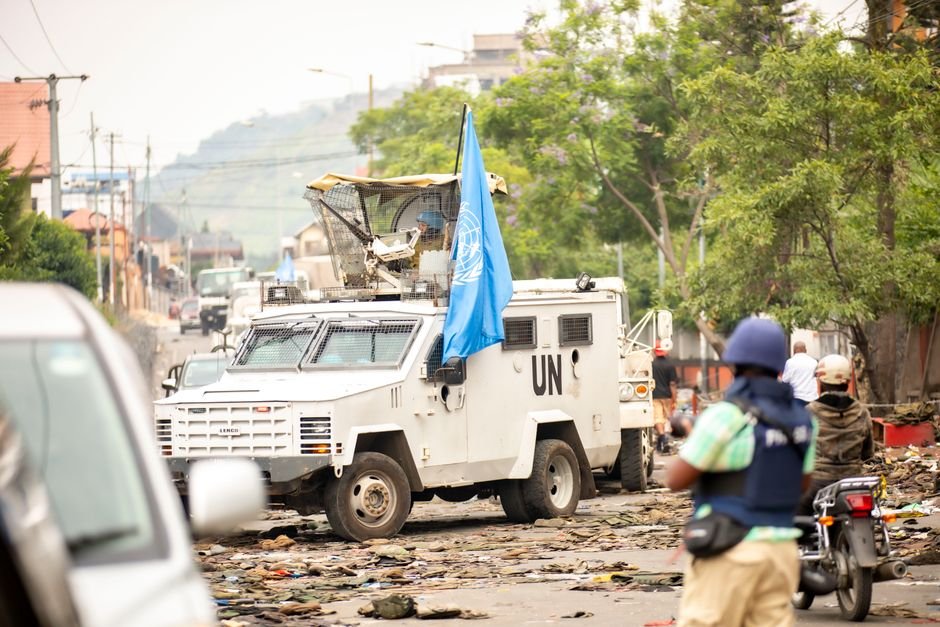
- Primary Actors: M23, DRC Armed Forces (FARDC), Rwanda (alleged support), MONUSCO
Military and Security Dynamics
Force disposition, exercise tempo, and procurement announcements offer high-signal indicators for dr congo m23 resurgence. Analysts should correlate official statements with verifiable order-of-battle changes rather than rhetoric alone.
Gray-zone tactics — cyber incidents, maritime militia operations, and information campaigns — often precede conventional escalation and deserve dedicated collection requirements.

Humanitarian and Civilian Impact
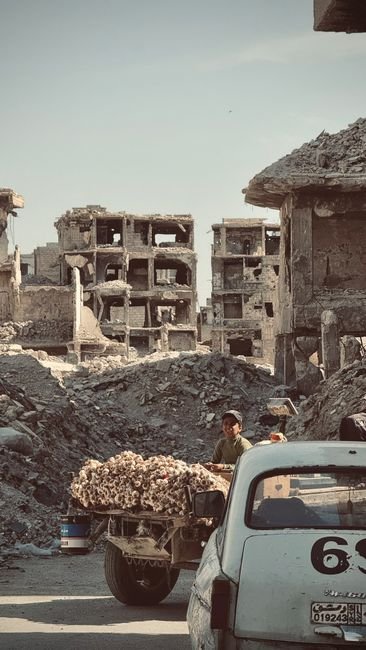
Civilian populations around dr congo m23 resurgence face displacement, infrastructure damage, and restricted humanitarian access. UN and NGO reporting provides essential triangulation alongside government narratives.
Protection of civilians and preservation of critical services remain key metrics for assessing whether a conflict is stabilizing or entering a more destructive phase.
International Response and Diplomacy
International mediation efforts on dr congo m23 resurgence continue through regional organizations, major-power back channels, and special envoy processes — often disconnected from public messaging campaigns.
Sanctions, aid conditionality, and recognition politics remain tools external actors use to shape incentives without direct military intervention.
30–60 Day Escalation Outlook
Low-probability, high-impact events — leadership transitions, surprise external intervention, or catastrophic infrastructure strikes — warrant dedicated indicator lists even if base-case forecasts remain moderate.
Over the next 30–60 days, analysts should monitor leadership statements, ceasefire violations, proxy activity, and commodity market reactions tied to dr congo m23 resurgence. Scenario planning should include both escalation and managed-de-escalation branches.
Frequently Asked Questions
What is the current conflict status?
Current status indicators suggest continued volatility with periodic diplomatic engagement — neither full resolution nor unchecked escalation.
Which actors drive escalation risk?
Primary actors shaping dr congo m23 resurgence pursue overlapping but distinct objectives — national survival, territorial control, alliance credibility, and domestic legitimacy. Mapping incentives clarifies which escalation pathways are most probable.
What is the humanitarian situation?
What should analysts monitor next?
Monitor leadership statements, force movements, humanitarian access, and commodity market signals for early warning of phase changes.
Bottom Line
For decision-makers tracking dr congo m23 resurgence, the decisive variable is whether observable indicators translate into sustained policy shifts or remain rhetorical positioning. WarBrief.live recommends cross-checking this conflict assessment against primary sources and daily operational reporting.

Classification: UNCLASSIFIED // FOR OFFICIAL USE ONLY
Readers should expect iterative updates as new data arrives. WarBrief.live labels confidence levels explicitly and separates confirmed facts from analytical inference.
WarBrief analysts apply a three-source rule before elevating claims about dr congo m23 resurgence. Video authenticity checks, cross-language monitoring, and commercial satellite revisit analysis reduce false positives under compressed news cycles.