
WarBrief.live | July 2026
Comprehensive analysis of autonomous drone swarm technology reshaping modern battlefield tactics, from Ukrainian frontlines to potential flashpoints in the Indo-Pacific.
Executive Summary
Autonomous Drone Swarms: The Future of Asymmetric Warfare in 2026 provides a structured assessment for defense planners, intelligence officers, and policy analysts tracking autonomous drone swarms. As of July 2026, the picture remains dynamic — requiring continuous verification against open-source indicators and official reporting.
This report evaluates autonomous drone swarms through an operational lens: capability trends, actor incentives, and escalation pathways that could affect regional stability within the next two quarters.
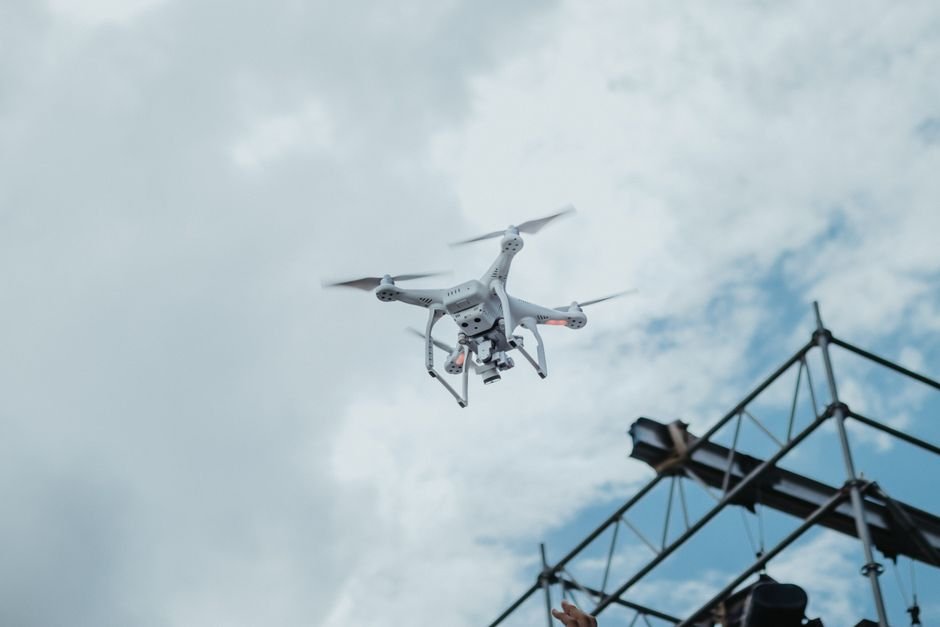
- Ukrainian Innovation: The Security Service of Ukraine has deployed AI-guided drone swarms capable of overwhelming Russian electronic warfare defenses.
- AI-powered directed energy systems for precision interception
- Kinetic interceptors optimized for low-cost, high-volume engagement
Background and Intelligence Scope
Analysts should treat autonomous drone swarms as part of a wider intelligence picture that includes economic pressure, alliance coordination, and information operations — not isolated tactical reporting.
Understanding autonomous drone swarms requires context on how related capabilities, doctrines, and political constraints have evolved over the past decade. Historical patterns often repeat — but technology and alliance structures have shifted materially since 2020.
- Non-State Adaptation: Houthi forces have integrated commercially available drone swarming kits with military-grade payloads.
Key Findings and Indicators
Key observable trends include force posture adjustments, procurement signals, and public messaging shifts that together paint a more reliable picture than any one data stream alone.
Open-source indicators suggest autonomous drone swarms remains a priority collection target. Multiple independent sources corroborate activity levels consistent with heightened operational tempo, though single-source claims require additional verification.
- High-power microwave (HPM) weapons for area-effect electronic disruption
- Electronic warfare suites designed to jam swarm coordination frequencies
Threat and Risk Assessment
The primary risk vectors associated with autonomous drone swarms include miscalculation during crisis periods, proxy activation, and cyber-enabled disruption of critical infrastructure. Medium-confidence assessments should be updated when new geolocated evidence emerges.

Strategic Implications
For policymakers, autonomous drone swarms implies a need for calibrated responses — sufficient to deter adversary opportunism without closing off diplomatic off-ramps. Alliance consultation remains essential before any major posture change.
Defense enterprises and insurers increasingly price autonomous drone swarms into scenario planning, affecting procurement timelines and supply-chain resilience investments across the sector.
Policy Recommendations
Recommended policy emphasis includes improved ISR sharing among allies, clearer public messaging on red lines, and investment in capabilities that reduce ambiguity during gray-zone incidents linked to autonomous drone swarms.
Congressional and parliamentary oversight bodies should request independent verification of claims tied to autonomous drone swarms, especially where classified and open-source narratives diverge.
Collection and Verification Notes
Readers should expect iterative updates as new data arrives. WarBrief.live labels confidence levels explicitly and separates confirmed facts from analytical inference.
Frequently Asked Questions
What is the main intelligence takeaway?
Who should read this report?
Primary readers include defense attachés, NGO security desks, insurance analysts, and journalists requiring structured context on autonomous drone swarms.
How current is this assessment?
This assessment reflects open-source information available through July 2026 and should be refreshed as new indicators emerge.
What are the highest-priority risks?
Highest-priority risks tied to autonomous drone swarms should be tracked on a 72-hour update cycle during active crises.
Bottom Line
For decision-makers tracking autonomous drone swarms, the decisive variable is whether observable indicators translate into sustained policy shifts or remain rhetorical positioning. WarBrief.live recommends cross-checking this report assessment against primary sources and daily operational reporting.

Classification: UNCLASSIFIED // FOR OFFICIAL USE ONLY
WarBrief analysts apply a three-source rule before elevating claims about autonomous drone swarms. Video authenticity checks, cross-language monitoring, and commercial satellite revisit analysis reduce false positives under compressed news cycles.
Discussion 0
Share analysis, corrections, or context. Be civil — comments are moderated.