
Electronic warfare operates in the invisible domain of the electromagnetic spectrum, yet its impact on modern conflict is profoundly visible. The ability to control, exploit, and deny the electromagnetic spectrum has become one of the most critical determinants of military success. From jamming enemy communications to spoofing GPS signals to intercepting adversary radar emissions, electronic warfare capabilities have become essential to virtually every aspect of modern military operations.
The Electromagnetic Battlespace
The electromagnetic spectrum is the invisible highway on which modern military operations depend. Communications, radar, navigation, targeting, and intelligence collection all rely on access to specific portions of the spectrum. Electronic warfare encompasses three primary mission areas: electronic attack, which involves the use of electromagnetic energy to degrade or destroy adversary capabilities; electronic protection, which involves protecting friendly use of the spectrum; and electronic warfare support, which involves the interception and analysis of electromagnetic emissions for intelligence purposes.
Modern military forces are more dependent on the electromagnetic spectrum than at any time in history. Network-centric warfare, precision engagement, and integrated air and missile defense all require reliable access to the spectrum. The proliferation of sensors, data links, and network-enabled systems has created a complex electromagnetic environment that presents both opportunities and vulnerabilities.
Russian Electronic Warfare Capabilities
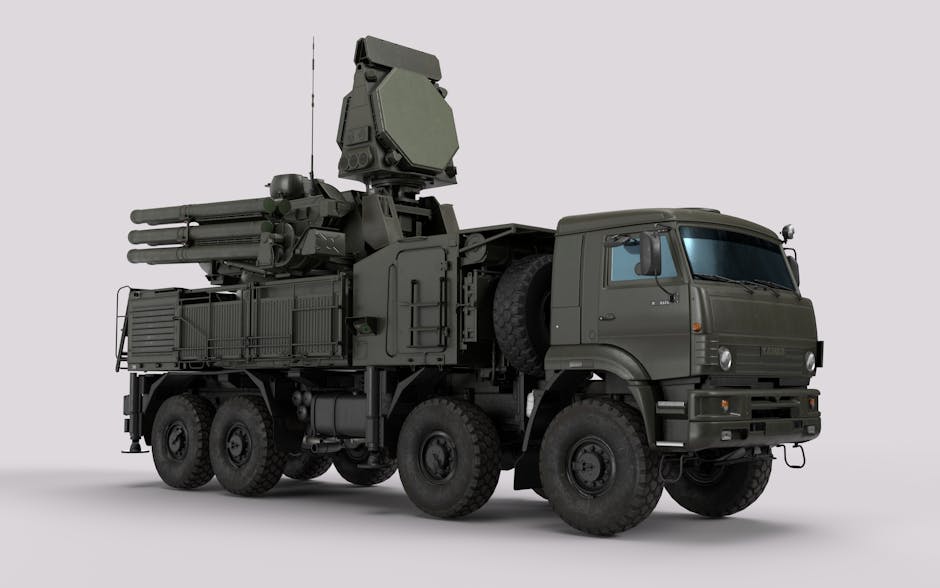
Russia has developed some of the most sophisticated electronic warfare capabilities in the world. Russian doctrine emphasizes the importance of electronic warfare from the strategic to the tactical level, and the Russian military has invested heavily in electronic warfare systems. The Krasukha-4 system can jam airborne early warning aircraft, drones, and satellite communications at ranges of hundreds of kilometers. The Borisoglebsk-2 system targets GPS, cellular, and satellite communications. The Leer-3 system can spoof cellular networks to send false messages or track user locations.
Russian electronic warfare has been extensively employed in Ukraine, with mixed results. Early in the war, Russian electronic warfare systems effectively disrupted Ukrainian communications and drone operations. However, Ukrainian forces adapted, employing frequency-hopping radios, hardened communications, and electronic warfare systems provided by Western partners. The electronic warfare battle in Ukraine has been characterized by rapid adaptation and counter-adaptation, with both sides developing tactics to neutralize adversary capabilities while protecting their own.
NATO Electronic Warfare
NATO has recognized electronic warfare as a priority capability area and has taken steps to enhance alliance capabilities. The NATO Electronic Warfare Policy establishes a framework for coordinating electronic warfare activities across the alliance, including the development of interoperable systems, joint training, and information sharing. NATO has also conducted dedicated electronic warfare exercises to test and improve alliance capabilities.
The United States maintains the most advanced electronic warfare capabilities in the alliance. The EA-18G Growler, a dedicated electronic attack aircraft, can jam adversary radar and communications while providing electronic warfare support to strike packages. The Next Generation Jammer, currently in development, will provide enhanced capabilities against advanced air defense systems. The US Army is modernizing its ground-based electronic warfare systems through programs like the Electronic Warfare Planning and Management Tool.
Electronic Warfare in the Cognitive Age
Artificial intelligence is transforming electronic warfare. Machine learning algorithms can analyze the electromagnetic environment in real time, identifying new signals, classifying emitters, and optimizing jamming strategies. Cognitive electronic warfare systems can adapt autonomously to changing conditions, learning from experience to improve their effectiveness over time. These capabilities are essential in an environment where the electromagnetic spectrum is becoming increasingly congested and contested.
The integration of AI into electronic warfare also creates new vulnerabilities. Adversaries could develop AI systems designed to deceive or evade cognitive electronic warfare systems. The potential for adversarial AI in the electromagnetic domain represents an emerging concern that electronic warfare planners must address.
Conclusion
Electronic warfare has become a decisive domain of modern conflict. Control of the electromagnetic spectrum enables virtually every other military capability, from precision targeting to networked operations to intelligence collection. Nations that invest in advanced electronic warfare capabilities and develop the doctrine and training to employ them effectively will enjoy significant advantages on the battlefields of the future. Understanding electronic warfare is essential for anyone concerned with contemporary military operations and defense technology.
For in-depth coverage of electronic warfare and defense technology, visit our Analysis section. Subscribe to the Daily Brief for daily updates on global military developments.
Case Studies and Practical Applications
The practical application of these technologies and strategies has been demonstrated across multiple conflict zones and security scenarios. In each case, the specific challenges and lessons learned provide valuable insights for practitioners and policymakers seeking to understand the evolving landscape of modern military and security operations.
The conflict in Ukraine has served as a particularly rich source of operational lessons. Both conventional and unconventional capabilities have been tested in high-intensity combat, revealing strengths and weaknesses that were previously theoretical. The ability to rapidly adapt tactics, technology, and organization in response to battlefield realities has proven essential, while rigid doctrinal approaches have often resulted in failure. This adaptability requires not only flexible systems but also a culture that encourages innovation and learning at all levels of military organization.
Interoperability between allied forces has emerged as a critical success factor. NATO forces operating alongside partner nations have demonstrated that common standards, shared procedures, and compatible equipment significantly enhance operational effectiveness. Exercises and training programs that build interoperability before deployment are essential investments that pay dividends in actual operations. The ability to share intelligence, coordinate fires, and conduct joint maneuver operations across national boundaries multiplies the combat power available to any single nation.
The role of private sector technology companies in modern military operations has expanded dramatically. Commercial satellite imagery, cloud computing services, artificial intelligence platforms, and communications infrastructure provided by companies like SpaceX, Microsoft, Amazon, and Maxar have become integral to military operations. This dependence creates new vulnerabilities and dependencies that military planners must carefully manage, ensuring that access to critical commercial capabilities is maintained during crises.
Training and education remain fundamental to military effectiveness despite technological advances. The complexity of modern military operations demands highly skilled personnel capable of operating sophisticated systems, making rapid decisions under pressure, and adapting to unforeseen circumstances. Investment in simulation-based training, professional military education, and experiential learning programs produces the human capital that ultimately determines military success or failure.
The strategic implications of these developments extend beyond the battlefield. Military capabilities shape diplomatic relationships, influence alliance dynamics, and affect the calculations of potential adversaries. Nations that successfully integrate emerging technologies while maintaining ready and capable conventional forces will be better positioned to deter aggression, protect their interests, and shape the international security environment in ways favorable to their strategic objectives.
Strategic Implications and Policy Recommendations
The strategic implications of these developments extend far beyond the immediate operational considerations. Policymakers must grapple with fundamental questions about the nature of security in an era of rapid technological change, shifting power distributions, and evolving threats. The decisions made today will shape the security environment for decades to come, and getting these decisions right requires careful analysis of both opportunities and risks.
Investment in human capital is perhaps the most important strategic priority. Technology is only as effective as the people who develop, operate, and employ it. Military and intelligence organizations must attract and retain talented personnel with the skills needed to succeed in an increasingly technical and complex environment. This requires competitive compensation, challenging career paths, and organizational cultures that value innovation and critical thinking.
International cooperation remains essential despite the competitive dynamics of the current strategic environment. Many security challenges, including terrorism, cyber threats, and WMD proliferation, cannot be addressed by any single nation acting alone. Intelligence sharing, joint military exercises, and collaborative technology development multiply the effectiveness of national investments and build the trust necessary for effective alliance operations.
The private sector will play an increasingly important role in national security. Governments must develop effective frameworks for partnering with technology companies, defense contractors, and academic institutions to leverage innovation and maintain technological advantage. These partnerships must balance the need for security and secrecy against the benefits of open innovation and commercial dynamism that have made the technology sector so successful.
Resilience must be built into national security systems at every level. The ability to continue operating under attack, to recover quickly from disruptions, and to adapt to changing circumstances is essential in an era of persistent competition and conflict. This requires redundant systems, distributed architectures, robust supply chains, and organizational cultures that embrace learning from failure.

Discussion 0
Share analysis, corrections, or context. Be civil — comments are moderated.