
The North Atlantic Treaty Organization has undergone its most profound transformation since the end of the Cold War. Confronted with a resurgent Russia, the rise of hybrid warfare, cyber threats, and the strategic implications of great power competition, NATO has adapted its strategy, force posture, and institutional structures to meet a rapidly evolving security environment. Understanding NATO evolution is essential for comprehending the contemporary European security landscape.
The Post-Cold War Transformation
NATO spent the immediate post-Cold War period redefining its purpose and structure. The alliance expanded eastward to include former Warsaw Pact members and Baltic states, extended partnership programs to non-member countries, and undertook out-of-area operations in the Balkans, Afghanistan, and Libya. The 2010 Strategic Concept declared that NATO remained committed to collective defense while also pursuing crisis management and cooperative security.
Russia annexation of Crimea in 2014 and the subsequent war in eastern Ukraine fundamentally altered NATO strategic calculus. The Wales Summit in 2014 produced the Readiness Action Plan, which established the NATO Response Force and created a spearhead force capable of deploying within days. The alliance also committed to reversing the post-Cold War trend of declining defense spending, with members pledging to allocate two percent of GDP to defense.
The Response to Russian Aggression
Russia full-scale invasion of Ukraine in 2022 triggered NATO most significant military reinforcement since the Cold War. The alliance activated its defense plans for the first time in decades, deployed additional battlegroups to the eastern flank, and increased air policing and naval presence across the region. NATO also provided extensive military assistance to Ukraine through individual member states and coordinated alliance mechanisms.
The 2022 Madrid Summit produced NATO new Strategic Concept, which identifies Russia as the most significant and direct threat to allied security and China as a systemic challenge. The concept commits NATO to a strengthened deterrence and defense posture, including enhanced forward presence, improved readiness, and increased investment in capabilities. The alliance also formally invited Finland and Sweden to join, extending NATO strategic depth in Northern Europe.
Enhanced Forward Presence
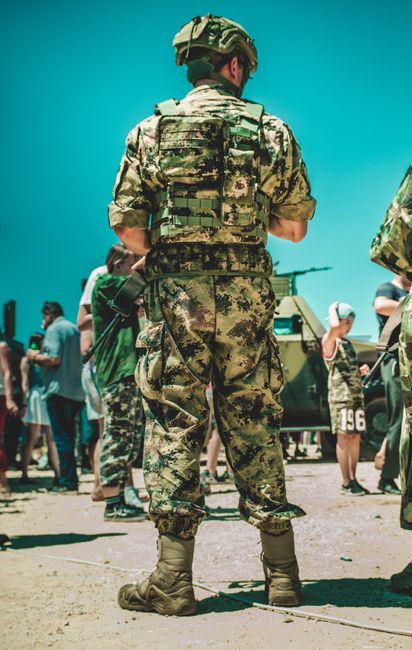
NATO Enhanced Forward Presence established multinational battlegroups in Estonia, Latvia, Lithuania, and Poland, demonstrating allied commitment to collective defense. Following the Ukraine invasion, additional battlegroups were established in Bulgaria, Hungary, Romania, and Slovakia, extending the forward presence across the entire eastern flank. These forces, while not sufficient to defeat a full-scale Russian invasion independently, serve as a tripwire that ensures any attack on NATO territory would immediately involve multiple allied nations. Lithuania is now pushing to make that commitment permanent — see our explainer on why Vilnius wants a permanent US base.
Addressing Hybrid and Cyber Threats
NATO has developed comprehensive approaches to hybrid and cyber threats. The alliance has established the Hybrid Analysis and Response Network to coordinate intelligence sharing and response to hybrid campaigns. NATO has declared that cyber attacks can trigger Article Five collective defense commitments, and the alliance has developed cyber defense capabilities through the NATO Cyber Operations Centre and the Cooperative Cyber Defence Centre of Excellence in Estonia.

Countering disinformation has become an increasingly important NATO mission. The alliance has established strategic communications capabilities to expose Russian disinformation and communicate NATO messages effectively. NATO has also worked with member states to strengthen societal resilience against foreign influence operations, recognizing that democratic societies are vulnerable to information warfare.
The Defense Investment Challenge
The commitment to increase defense spending remains one of NATO most consequential but challenging initiatives. While the number of members meeting the two percent target has increased substantially, significant gaps remain in capabilities, readiness, and burden-sharing. The alliance faces particular challenges in areas such as strategic airlift, intelligence surveillance and reconnaissance, precision munitions stockpiles, and ammunition production capacity.
NATO has launched the Defense Investment Pledge to encourage members to allocate adequate resources to defense, with a focus on meeting capability targets and addressing critical shortfalls. The alliance has also worked to improve defense industrial cooperation, including cross-border procurement and joint development projects, to ensure that allied forces have the equipment they need to deter and defend against potential adversaries.
Future Challenges
NATO faces several significant challenges going forward. The need to sustain political unity among 32 member states with diverse threat perceptions and strategic priorities tests alliance cohesion. The requirement to simultaneously deter Russia, manage the implications of great power competition, and address emerging threats like cyber warfare and autonomous systems demands significant resources and political will.
Conclusion
NATO adaptation to the 21st-century security environment represents one of the most significant transformations in the history of the alliance. From its Cold War origins through the post-9/11 era to the return of great power competition, NATO has demonstrated remarkable institutional flexibility. The alliance ability to continue adapting will determine its relevance and effectiveness in addressing the security challenges of the coming decades.
For detailed analysis of NATO and European security, visit our Analysis section. Subscribe to the Daily Brief for daily updates on alliance activities and global security developments.
Case Studies and Practical Applications
The practical application of these technologies and strategies has been demonstrated across multiple conflict zones and security scenarios. In each case, the specific challenges and lessons learned provide valuable insights for practitioners and policymakers seeking to understand the evolving landscape of modern military and security operations.
The conflict in Ukraine has served as a particularly rich source of operational lessons. Both conventional and unconventional capabilities have been tested in high-intensity combat, revealing strengths and weaknesses that were previously theoretical. The ability to rapidly adapt tactics, technology, and organization in response to battlefield realities has proven essential, while rigid doctrinal approaches have often resulted in failure. This adaptability requires not only flexible systems but also a culture that encourages innovation and learning at all levels of military organization.
Interoperability between allied forces has emerged as a critical success factor. NATO forces operating alongside partner nations have demonstrated that common standards, shared procedures, and compatible equipment significantly enhance operational effectiveness. Exercises and training programs that build interoperability before deployment are essential investments that pay dividends in actual operations. The ability to share intelligence, coordinate fires, and conduct joint maneuver operations across national boundaries multiplies the combat power available to any single nation.
The role of private sector technology companies in modern military operations has expanded dramatically. Commercial satellite imagery, cloud computing services, artificial intelligence platforms, and communications infrastructure provided by companies like SpaceX, Microsoft, Amazon, and Maxar have become integral to military operations. This dependence creates new vulnerabilities and dependencies that military planners must carefully manage, ensuring that access to critical commercial capabilities is maintained during crises.
Training and education remain fundamental to military effectiveness despite technological advances. The complexity of modern military operations demands highly skilled personnel capable of operating sophisticated systems, making rapid decisions under pressure, and adapting to unforeseen circumstances. Investment in simulation-based training, professional military education, and experiential learning programs produces the human capital that ultimately determines military success or failure.
The strategic implications of these developments extend beyond the battlefield. Military capabilities shape diplomatic relationships, influence alliance dynamics, and affect the calculations of potential adversaries. Nations that successfully integrate emerging technologies while maintaining ready and capable conventional forces will be better positioned to deter aggression, protect their interests, and shape the international security environment in ways favorable to their strategic objectives.
Strategic Implications and Policy Recommendations
The strategic implications of these developments extend far beyond the immediate operational considerations. Policymakers must grapple with fundamental questions about the nature of security in an era of rapid technological change, shifting power distributions, and evolving threats. The decisions made today will shape the security environment for decades to come, and getting these decisions right requires careful analysis of both opportunities and risks.
Investment in human capital is perhaps the most important strategic priority. Technology is only as effective as the people who develop, operate, and employ it. Military and intelligence organizations must attract and retain talented personnel with the skills needed to succeed in an increasingly technical and complex environment. This requires competitive compensation, challenging career paths, and organizational cultures that value innovation and critical thinking.
International cooperation remains essential despite the competitive dynamics of the current strategic environment. Many security challenges, including terrorism, cyber threats, and WMD proliferation, cannot be addressed by any single nation acting alone. Intelligence sharing, joint military exercises, and collaborative technology development multiply the effectiveness of national investments and build the trust necessary for effective alliance operations.
The private sector will play an increasingly important role in national security. Governments must develop effective frameworks for partnering with technology companies, defense contractors, and academic institutions to leverage innovation and maintain technological advantage. These partnerships must balance the need for security and secrecy against the benefits of open innovation and commercial dynamism that have made the technology sector so successful.
Resilience must be built into national security systems at every level. The ability to continue operating under attack, to recover quickly from disruptions, and to adapt to changing circumstances is essential in an era of persistent competition and conflict. This requires redundant systems, distributed architectures, robust supply chains, and organizational cultures that embrace learning from failure.


[…] times and removing the question of whether allied help would arrive quickly enough. NATO’s evolution since the Cold War has been driven by exactly this kind of forward presence: multinational battlegroups in the Baltics […]