
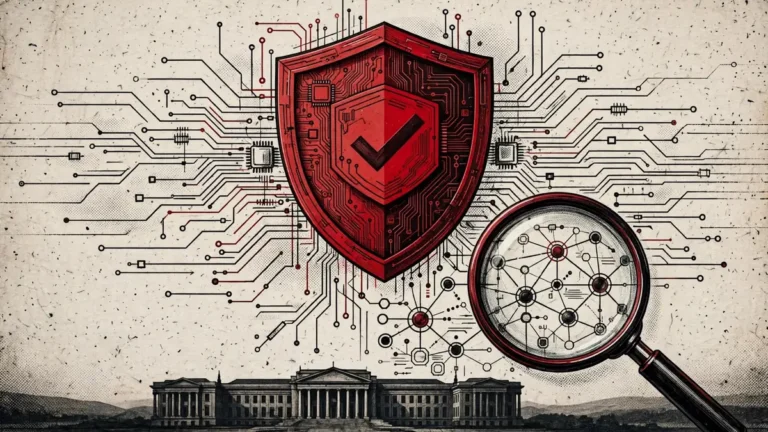
In an era defined by digital interconnectedness, cyber intelligence has emerged as one of the most critical tools for preventing conflicts before they escalate into armed confrontation. The ability to detect, attribute, and respond to malicious cyber activities has fundamentally altered the calculus of international aggression. Nations that invest in robust cyber intelligence capabilities gain a significant strategic advantage, not only in defending their own networks but in deterring potential adversaries from considering hostile action in the first place.
The Evolution of Cyber Intelligence
Cyber intelligence has evolved rapidly from its origins in network defense and vulnerability assessment. Early cyber intelligence focused primarily on protecting government and military networks from intrusion. The threat landscape has expanded dramatically, encompassing state-sponsored espionage, ransomware attacks on critical infrastructure, election interference, intellectual property theft, and hybrid warfare operations that combine cyber attacks with disinformation campaigns.
The modern cyber intelligence discipline encompasses several distinct but interconnected functions. Threat intelligence involves the collection and analysis of information about potential cyber adversaries, their capabilities, and their intentions. Technical intelligence focuses on the analysis of malware, exploit techniques, and network vulnerabilities. Operational intelligence integrates these streams to support specific defensive or offensive operations.

Cyber Intelligence as a Deterrent
One of the most important functions of cyber intelligence is deterrence. When a nation demonstrates that it can attribute cyber attacks with high confidence and respond proportionally, it raises the cost of hostile action for potential adversaries. The United States has increasingly emphasized the importance of attribution, with officials publicly naming state-sponsored threat actors and imposing consequences ranging from indictments to sanctions to offensive cyber operations.
The concept of persistent engagement has gained traction in Western cyber doctrine. Rather than waiting for attacks to occur and then responding, this approach involves continuous monitoring of adversary networks and proactive disruption of hostile activities. Cyber intelligence provides the foundation for persistent engagement by identifying adversary infrastructure, tools, and techniques before they can be deployed against friendly targets.
Early Warning Systems
Cyber intelligence enables the development of early warning systems that can detect preparations for cyber attacks before they materialize. By monitoring adversary communications, tracking malware development, and analyzing network reconnaissance activities, intelligence agencies can provide decision-makers with actionable warning of impending attacks. This allows for the implementation of defensive measures, the hardening of critical infrastructure, and in some cases, diplomatic intervention to de-escalate tensions.
Case Studies in Cyber Intelligence
The Russia-Ukraine conflict provides a compelling case study in the role of cyber intelligence in conflict prevention and management. In the months leading up to the 2022 invasion, Ukrainian and allied cyber intelligence agencies detected increased Russian cyber reconnaissance activity targeting critical infrastructure, government networks, and military systems. This intelligence enabled Ukraine to harden its defenses, relocate sensitive data, and prepare incident response capabilities.

Following the invasion, cyber intelligence played a crucial role in coordinating the international response. Intelligence sharing between Ukraine and its allies enabled the attribution of cyber attacks to Russian military intelligence units, supported the imposition of sanctions, and informed the development of defensive strategies that have kept Ukrainian government networks operational despite sustained cyber assaults.
In the Indo-Pacific region, cyber intelligence has been instrumental in exposing North Korean cyber operations that fund the regime weapons programs. Intelligence agencies have tracked Lazarus Group and other North Korean hacker collectives as they conducted a series of high-profile cryptocurrency thefts, bank heists, and ransomware attacks. This intelligence has enabled law enforcement actions, the freezing of stolen assets, and the development of countermeasures.
Challenges and Limitations
Despite its evident value, cyber intelligence faces significant challenges. The speed at which cyber threats evolve demands continuous investment in analytical capabilities and technical infrastructure. The attribution problem, while improved, remains difficult, particularly when adversaries use sophisticated tradecraft to disguise their activities. Information sharing between allies can be complicated by concerns about sources and methods, classification barriers, and differing national interests.
The private sector plays an increasingly important role in cyber intelligence, but collaboration between government agencies and private companies raises questions about data privacy, corporate liability, and the appropriate boundaries of government surveillance. Building effective public-private partnerships for cyber intelligence sharing remains a priority for many governments.
The Role of AI in Cyber Intelligence
Artificial intelligence is transforming cyber intelligence just as it has transformed other domains of intelligence collection and analysis. Machine learning models can detect anomalous network behavior that might indicate a novel attack, analyze malware samples at machine speed, and correlate threat data across multiple sources to identify previously unknown adversary campaigns.
AI-powered threat intelligence platforms can process millions of security events per second, distinguishing between routine network activity and genuine threats with remarkable accuracy. As adversaries increasingly incorporate AI into their own operations, the cyber intelligence community must continue to innovate to maintain the advantage.
Conclusion
Cyber intelligence has become an indispensable component of modern conflict prevention and national security. The ability to detect, attribute, and deter hostile cyber activities before they escalate into armed conflict represents one of the most important strategic capabilities of the 21st century. As the digital domain continues to expand, the importance of cyber intelligence will only grow.
For in-depth analysis of cyber threats and intelligence developments, visit our Analysis page. Stay informed with daily updates through the WarBrief Daily Brief.
Case Studies and Practical Applications
The practical application of these technologies and strategies has been demonstrated across multiple conflict zones and security scenarios. In each case, the specific challenges and lessons learned provide valuable insights for practitioners and policymakers seeking to understand the evolving landscape of modern military and security operations.
The conflict in Ukraine has served as a particularly rich source of operational lessons. Both conventional and unconventional capabilities have been tested in high-intensity combat, revealing strengths and weaknesses that were previously theoretical. The ability to rapidly adapt tactics, technology, and organization in response to battlefield realities has proven essential, while rigid doctrinal approaches have often resulted in failure. This adaptability requires not only flexible systems but also a culture that encourages innovation and learning at all levels of military organization.
Interoperability between allied forces has emerged as a critical success factor. NATO forces operating alongside partner nations have demonstrated that common standards, shared procedures, and compatible equipment significantly enhance operational effectiveness. Exercises and training programs that build interoperability before deployment are essential investments that pay dividends in actual operations. The ability to share intelligence, coordinate fires, and conduct joint maneuver operations across national boundaries multiplies the combat power available to any single nation.
The role of private sector technology companies in modern military operations has expanded dramatically. Commercial satellite imagery, cloud computing services, artificial intelligence platforms, and communications infrastructure provided by companies like SpaceX, Microsoft, Amazon, and Maxar have become integral to military operations. This dependence creates new vulnerabilities and dependencies that military planners must carefully manage, ensuring that access to critical commercial capabilities is maintained during crises.
Training and education remain fundamental to military effectiveness despite technological advances. The complexity of modern military operations demands highly skilled personnel capable of operating sophisticated systems, making rapid decisions under pressure, and adapting to unforeseen circumstances. Investment in simulation-based training, professional military education, and experiential learning programs produces the human capital that ultimately determines military success or failure.
The strategic implications of these developments extend beyond the battlefield. Military capabilities shape diplomatic relationships, influence alliance dynamics, and affect the calculations of potential adversaries. Nations that successfully integrate emerging technologies while maintaining ready and capable conventional forces will be better positioned to deter aggression, protect their interests, and shape the international security environment in ways favorable to their strategic objectives.
Geopolitical Context and Future Outlook
The geopolitical context in which these developments are unfolding is characterized by increasing competition between major powers, the erosion of arms control frameworks, and the proliferation of advanced military technologies to a growing number of states and non-state actors. The international security order established after the Cold War is under significant strain, and the institutions that have maintained stability for decades are being challenged by revisionist powers seeking to reshape the global system to their advantage.
The relationship between technological change and strategic stability is complex and sometimes contradictory. While new technologies can enhance deterrence by providing more capable defenses and more credible retaliation options, they can also create instability by compressing decision-making timelines, creating uncertainty about the balance of power, and introducing new vulnerabilities that could be exploited in a crisis. Understanding these dynamics is essential for policymakers seeking to manage strategic competition and reduce the risk of conflict.
The economic dimensions of military competition are increasingly important. Defense spending trends reflect not only threat perceptions but also economic capacity and political will. Nations must balance the need for military preparedness against other priorities including economic growth, social welfare, and fiscal sustainability. The ability to sustain defense investment over time, rather than in sporadic bursts, is a key indicator of strategic seriousness and long-term capability development.
Regional dynamics add another layer of complexity to the global security picture. While great power competition dominates strategic discourse, regional conflicts and rivalries continue to generate instability and humanitarian suffering. The intersection of global competition with local conflicts creates dangerous dynamics in which regional disputes become proxies for great power confrontation, increasing the risk of escalation beyond the original theater of operations.
Looking ahead, several trends are likely to shape the security environment. The diffusion of advanced technologies, including AI, autonomous systems, and cyber capabilities, will continue to empower both state and non-state actors. The changing character of conflict, with blurred lines between peace and war and between military and civilian domains, will challenge existing legal and normative frameworks. The increasing importance of information as a domain of conflict will require new approaches to national security that integrate traditional military capabilities with informational and psychological dimensions of competition.
The human dimension of security should not be overlooked. Behind the discussions of strategy, technology, and budgets lie real consequences for individuals and communities affected by conflict. Civilian protection, humanitarian access, and the rights of refugees and displaced persons must remain central concerns for those who study and practice international security. The ultimate purpose of military power and intelligence is not victory in conflict but the preservation of peace and security in which human beings can flourish.
Discussion 0
Share analysis, corrections, or context. Be civil — comments are moderated.